Ukraine Signals Readiness for Mutual Halt on Energy Strikes
President Zelensky stated that Kyiv is prepared to stop attacks on Russian energy targets if Moscow reciprocates, following a proposal announced by Washington.
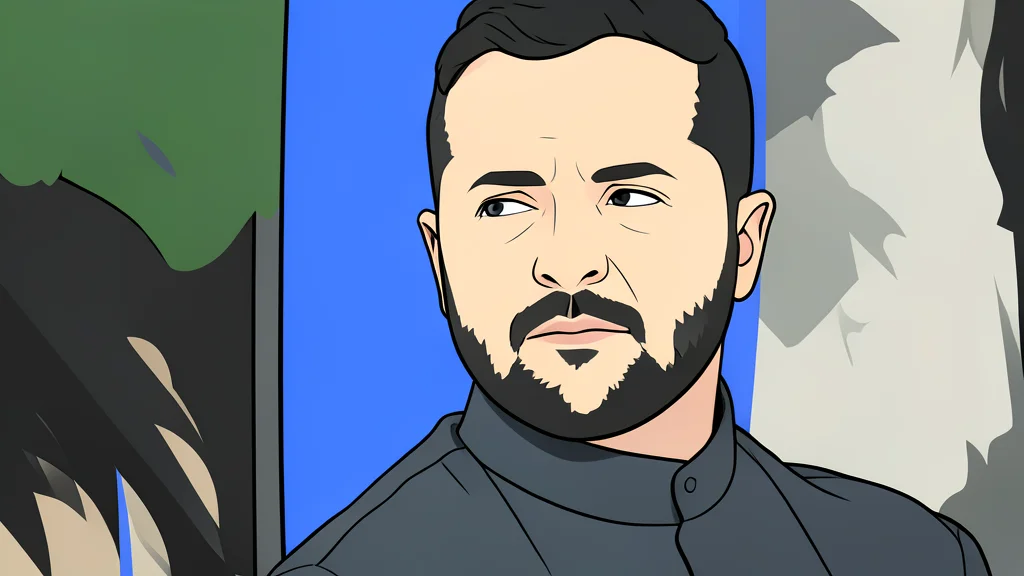
Ukrainian President Volodymyr Zelensky declared on Monday that his country is prepared to de-escalate the conflict by halting strikes on Russian energy infrastructure, provided that Moscow agrees to a reciprocal cessation of attacks. This statement followed an announcement by US President Donald Trump, who claimed that an agreement had been reached between the two sides to stop targeting critical energy assets. The move comes amid rising international oil prices and growing pressure on both nations to reduce the economic fallout of the war.
According to Zelensky, Ukraine views this potential pause as a significant first step toward broader de-escalation. He emphasized that while Kyiv has maintained a defensive posture, it is willing to support peace efforts if Russia demonstrates a sincere and long-term commitment to stopping the destruction of civilian life. The Ukrainian leader noted that previous attempts at negotiation had not yielded tangible results, but he expressed hope that American mediation could secure a genuine willingness from Moscow to engage in good faith.
US Mediation and Economic Pressures
The US administration has intensified its diplomatic efforts, partly driven by the impact of the war on global fuel markets. President Trump recently criticized Ukrainian strikes on Russian refineries, arguing that they were contributing to diesel shortages and higher costs for American consumers ahead of the midterm elections. While the White House framed the new proposal as a mutual truce on energy targets, Russian officials have not issued an immediate formal response to confirm the terms of the agreement or their intent to comply.
Diplomatic channels remain active, with US envoys visiting both Moscow and Kyiv earlier this month without announcing a major breakthrough. The current proposal appears to be a targeted measure to ease specific economic pressures rather than a comprehensive ceasefire. Analysts suggest that while the focus on energy infrastructure is a narrow concession, it may serve as a testing ground for broader diplomatic engagement between the warring parties.
Escalating Threats to Rail Infrastructure
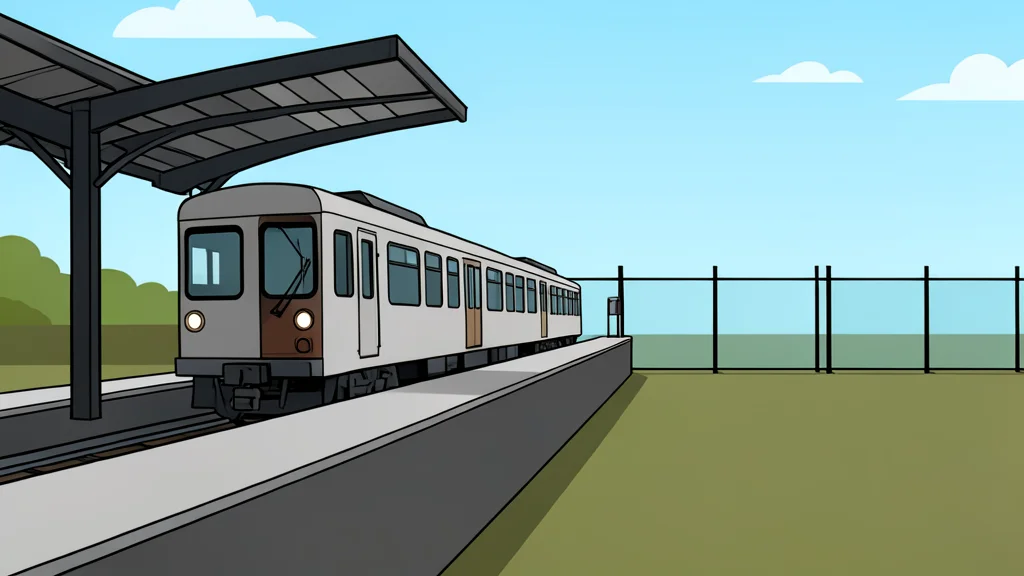
Despite the diplomatic overtures, the physical conflict continues to intensify on the ground. The CEO of Ukrainian Railways stated that strikes on the country’s rail network are worsening exponentially, with each week proving more destructive than the last. A recent attack hit a train frequently used by diplomats near the Polish border, highlighting the expanding scope of Russian aerial and missile operations against civilian and logistical infrastructure.
Polish authorities have also raised concerns, with Prime Minister Donald Tusk stating that Warsaw has received information suggesting Moscow may be planning attacks on border crossings. This development adds a layer of regional tension, as Poland and other NATO members monitor potential spillover effects from the conflict. The targeting of transport hubs underscores the strategic importance of logistics in the ongoing war and the difficulty of maintaining essential services under sustained bombardment.
EU Sanctions and Diplomatic Friction
Parallel to the military and diplomatic developments, European Union member states faced internal disagreements regarding sanctions policy. Diplomats reported that the EU delayed the deadline for prolonging sanctions on Russia after France pushed for the removal of billionaire Alisher Usmanov from the blacklist. The list, which includes nearly 3,000 individuals and entities, was set to expire, but ambassadors from the 27 member states pushed back the decision by one week amid opposition to the French request.
This delay highlights the complex dynamics within the European Union as nations balance their collective stance against Russia with individual diplomatic considerations. According to France 24, the controversy over Usmanov’s inclusion has drawn opposition from other member states, complicating the unified front that Brussels has sought to maintain. The situation illustrates the ongoing challenges in sustaining a cohesive European response to the war, even as diplomatic efforts to end it gain momentum.