Western Powers Face Pressure to Close Russian Fertilizer Sanctions Gap
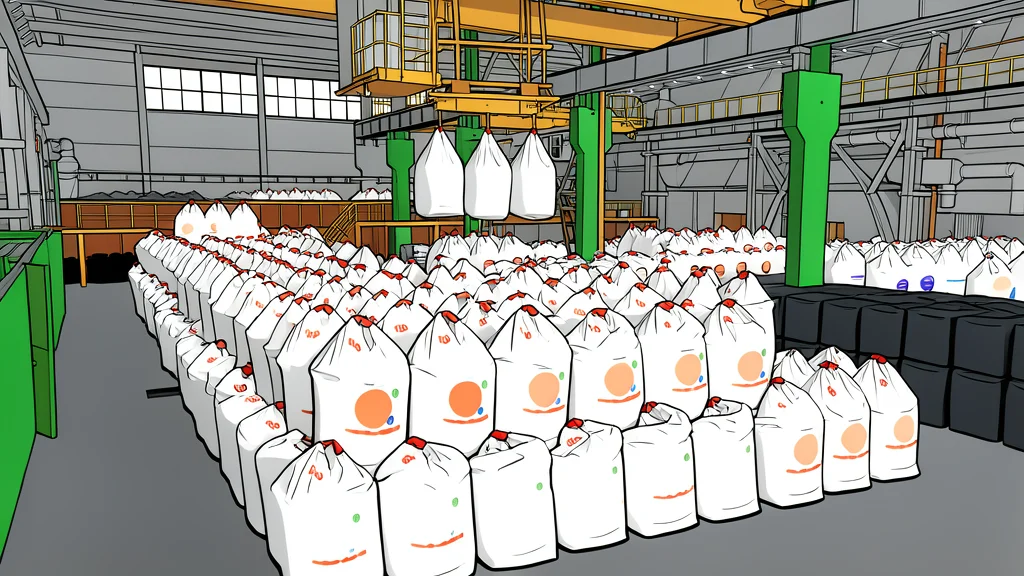
Analysts argue that exemptions for Russian fertilizers have inadvertently supported the production of munition precursors.
Key points
- Russian fertilizer exports have largely avoided sanctions due to Western prioritization of global food security.
- Major producers like Eurochem and Uralchem reportedly supplied thousands of tonnes of explosive precursors to the military.
- The EU has introduced limited tariffs, while the U.S. maintains no specific sanctions on this sector.
Since the full-scale invasion of Ukraine began in February 2022, the Russian fertilizer sector has operated under a de facto sanctions exemption. This policy stance was adopted by both the United States and the European Union, which prioritized global food security over financial pressure. Policymakers feared that restricting access to these agricultural inputs would drive up food prices and destabilize supply chains in vulnerable regions.
However, according to a recent analysis by the Kyiv Independent, this approach has largely overlooked the dual-use nature of the industry. While the primary goal was to support agriculture, the chemical processes involved in fertilizer production are also critical for manufacturing explosives. Critics argue that this oversight has allowed Russian state-linked entities to maintain financial liquidity and supply key precursors for the military-industrial complex.
Chemical precursors fuel munitions production
The nitrogen-based segment of the fertilizer industry accounts for approximately 75% of global trade. These products are derived from natural gas through ammonia production, a process that yields chemical byproducts essential for explosives. Specifically, nitric acid and ammonium nitrate are downstream products that serve as vital ingredients in various military ordnance.
Reports from Reuters and Bloomberg indicate that major Russian producers have shipped significant quantities of these materials to the domestic defense sector. Between 2022 and 2024, Eurochem reportedly shipped 5,000 tonnes of nitric acid from its Nevinnomyssk facility. Analysts estimate that this volume could provide the primary explosive filling for up to 500,000 large-caliber shells, highlighting the direct link between agricultural exports and military capacity.
Fragmented regulatory frameworks leave loopholes
The EU has only recently begun implementing limited progressive tariffs on Russian fertilizer imports, a measure that took effect in mid-2025. In contrast, the United States has not established any tariff or sanction regime specifically targeting this sector. This divergence has resulted in a fragmented global approach, with significant loopholes remaining in the sanctions architecture. Corporate sanctions on the sector are largely absent, and personal sanctions remain limited in scope.
While diplomatic and economic measures have lagged, military actions have targeted specific industrial nodes. Ukrainian drones have struck the Nevinnomyssk plant at least seven times and the Togliattiazot ammonia facility at least three times. These strikes underscore the strategic importance of these sites, which are viewed as critical chokepoints in the Russian explosives supply chain. The contrast between kinetic military targets and economic policy gaps illustrates the complexity of addressing dual-use industries.
Next steps for trade policy
The forward question remains how Western powers will reconcile food security goals with the need to disrupt Russian military financing. As the EU adjusts its tariff structures, the U.S. may face increased pressure to align its own trade policies. Monitoring the specific flow of ammonium nitrate and nitric acid will be crucial in assessing the effectiveness of emerging regulatory measures against the dual-use capabilities of the Russian industrial base.