Western Ukraine Suffers Rare Casualties in Drone Strikes
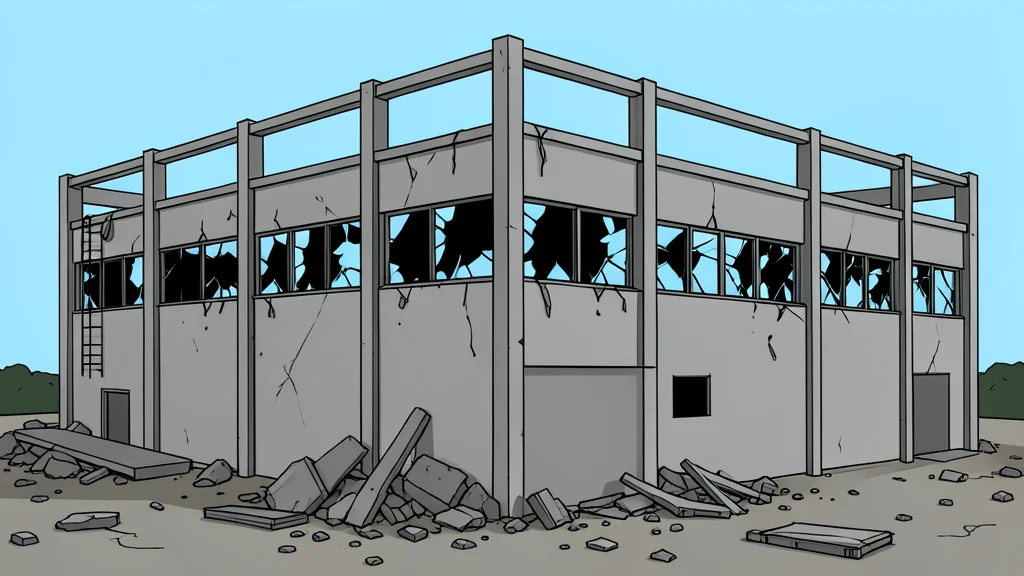
Russian attacks have expanded significantly, claiming lives in western regions previously considered safer and targeting critical infrastructure across the country.
A significant escalation in the frequency and reach of Russian military strikes has resulted in at least six deaths and 34 injuries across Ukraine over the past 24 hours. The latest incident involved a deadly attack on an industrial zone in Zhytomyr Oblast, a region that has historically remained one of the safer areas of the country during the full-scale war. According to the State Emergency Service, two people were killed and another two were injured when a strike hit the area near the city of Korosten on the evening of September 17.
This event marks a notable shift in the geographic distribution of hostilities. As reported by Kyiv Independent, the use of jet-powered drones and cruise missiles has allowed Russian forces to target locations further from the active front lines. Consequently, more Ukrainian regions are coming under fire, challenging the previous perception of western oblasts as being largely insulated from direct military threat.
Air Defense Counters Large Drone Wave
Ukraine’s Air Force stated that a massive aerial assault was launched overnight, comprising 93 strike drones, including 46 jet-powered models, alongside Banderol and Dan-T cruise missiles. Air defense systems successfully downed or jammed 69 of the drones and three missiles. Despite these interceptions, strikes were recorded at 13 different locations, indicating the scale of the coordinated offensive.
First responders in affected areas had to take shelter as air raid alerts sounded, signaling the potential for a double-tap attack. This tactic, where a second wave follows the initial strike, poses severe risks to emergency services and civilians attempting to evacuate or assess damage. The high volume of jet-powered drones suggests a strategic effort to overwhelm air defenses and strike high-value targets or infrastructure with greater speed and lethality.
Casualties Reported Across Multiple Regions
Beyond the incidents in Zhytomyr, attacks continued to impact other parts of the country. In Kherson Oblast, one person was killed and nine others injured amid ongoing daily strikes, according to Governor Oleksandr Prokudin. In Kharkiv, a regional train was targeted, resulting in the death of a 40-year-old man and injuries to seven others, local authorities confirmed. These attacks highlight the persistent threat to civilian transportation and daily life.
Donetsk Oblast reported one death and six injuries, with the cities of Sloviansk and Kramatorsk coming under fire, as stated by Governor Vadym Filashkin. Meanwhile, in Sumy Oblast, a 17-year-old boy was killed by an explosion involving unidentified ordnance. In Kyiv Oblast, five people, including three children, were injured by a drone attack near Fastiv. Additional injuries were reported in Dnipropetrovsk and Odesa oblasts, underscoring the widespread nature of the recent offensive.
Strategic Shifts in Conflict Dynamics
The targeting of warehouses and industrial facilities in regions away from the front line indicates a broader strategic objective. By expanding the geographical footprint of attacks, the aggressor aims to strain Ukrainian logistics, disrupt supply chains, and erode the sense of safety in rear areas. The specific focus on the railway network, as seen in the Kharkiv incident, further suggests an intent to degrade Ukraine’s transport capacity and economic resilience.
The increasing reliance on jet-powered drones represents a tactical evolution in the conflict. These faster, more maneuverable assets require advanced detection and interception capabilities, placing a significant burden on air defense resources. As the war continues, the ability to protect civilian infrastructure and maintain regional security will remain a critical challenge for Ukrainian authorities.