Pope Leo XIV Urges Global Duty to Protect Migrant Minors
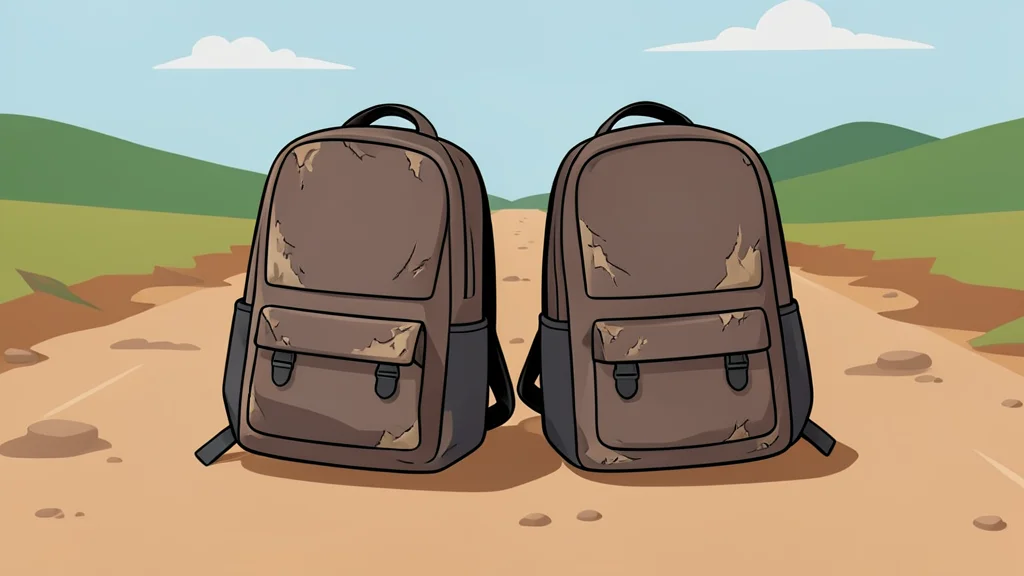
Pope Leo XIV emphasized the urgent need to shield young migrants from violence and exploitation during his weekly audience.
Key points
- Pope Leo XIV urged global responsibility to protect migrant minors from violence and exploitation.
- The Pope stated that public and private institutions must prioritize the dignity of migrant children.
- The appeal coincides with the World Day of Migrants and Refugees celebrated on Sunday.
Pope Leo XIV called on the global community to protect young migrants. He spoke during his weekly audience in St. Peter’s Square. The appeal highlights the severe risks faced by children on migration routes.
The pontiff described the suffering of minors as unspeakable. He cited violence, torture, and exploitation as common dangers. Many young people lose their lives while traveling. This reality demands immediate and collective action.
Vulnerability of Young Travelers
According to CathNews, the Pope stressed that children are the most vulnerable group. They often endure traumatic conditions that adults may not face. The church notes that these minors require special protection and support.
The World Day of Migrants and Refugees is celebrated on Sunday. This annual event aims to raise awareness about displaced persons. It promotes initiatives for welcome, integration, and accompaniment. Special attention is paid to those in vulnerable situations.
Institutional Duty to Protect Dignity
In a message for this year’s observance, Pope Leo XIV set a clear mandate. Public and private institutions must prioritize the dignity of migrant children. Their efforts must place protection at the center of all policies.
The Pope appealed to everyone’s sense of responsibility. He urged people to feel involved in the lives of these young people. Protection and support are not optional but essential duties. This call extends beyond religious circles to society at large.
Context of Weekly Catechesis
During his catechesis, the Pope also addressed cultural attitudes. He challenged the prejudice that science opposes Christian faith. He warned against the tragedy of atheistic humanism. This view mistakenly presents humans and God as rivals.
He noted that this mindset changes how people view the world. It has influenced parts of Western culture that lost their reference to Christian revelation. The Pope argued that denying the relationship with God affects the view of human value.