Russia’s Veto Highlights Structural Flaws in UN Security
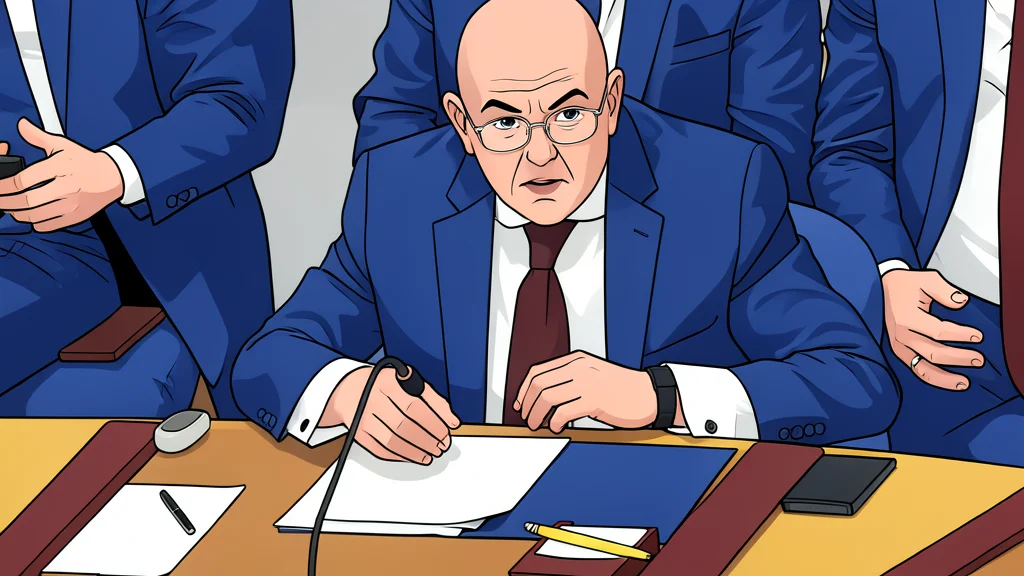
The ongoing conflict has intensified scrutiny of the United Nations' ability to function when a permanent Security Council member is the aggressor, revealing deep institutional contradictions alongside significant humanitarian achievements.
Russia’s full-scale invasion of Ukraine has laid bare one of the most profound contradictions within the United Nations system. As detailed in recent analysis by GN geopolitics/un, the situation presents a unique challenge to international order: a permanent member of the Security Council has launched a war against another state while simultaneously retaining the unilateral power to block decisions regarding its own actions. This dynamic has transformed the institution from a guarantor of peace into a site of institutional paralysis, where the very body tasked with maintaining security is rendered ineffective by the interests of one of its key members.
The core of this dysfunction lies in the veto power held by Moscow. Since the beginning of the conflict, the Security Council has struggled to pass meaningful resolutions because Russia can, and does, use its veto to shield itself from international condemnation or sanctions. There is currently no simple legal mechanism to remove a permanent member or strip them of their veto rights without a fundamental overhaul of the UN Charter. Consequently, the state responsible for initiating the war remains an active participant in shaping the international response, a reality that critics argue renders the Council obsolete in its current form.
The Veto Power Creates Institutional Stalemate
The structural issue is not merely procedural but philosophical. The UN was established after World War II to maintain peace based on the consensus of the great powers. However, the current conflict demonstrates that this 1945-era balance of power is ill-suited to twenty-first-century realities. When the interests of a permanent member are directly at stake, the Council becomes deadlocked. This has fueled intense debate over reform, with many arguing that the existing architecture favors stability over justice, allowing aggressors to exploit their institutional position to avoid accountability.
Despite these political failures, the organization remains indispensable in other areas. The humanitarian crisis in Ukraine is one of the largest in Europe since the Second World War, with millions displaced. UN agencies have mobilized billions of dollars to provide food, shelter, and medical support. Unlike the political bodies, these humanitarian operations do not rely on the same veto-prone decision-making mechanisms, allowing them to operate with greater efficacy and reach. This dichotomy highlights why the UN is viewed as ineffective in politics yet crucial in crisis management.
Humanitarian Efforts Outpace Political Failures
The effectiveness of UN humanitarian efforts, however, is not without limits. In territories occupied by Russia, international organizations have faced repeated restrictions on access. Moscow has curtailed the ability of aid workers to reach populations outside the control of the Ukrainian government, creating significant gaps in assistance for vulnerable groups. This limitation underscores that even the UN’s strongest pillars are vulnerable to geopolitical interference, though the scale of its impact in accessible areas remains substantial.
As the war continues, the debate over the UN’s future will likely intensify. While fundamental reform is hindered by the need for agreement among states that benefit from the current system, the pressure for change is mounting. The organization’s role in mitigating the global consequences of the conflict ensures its relevance, but its inability to hold an aggressor accountable challenges its foundational mission. The path forward remains uncertain, dependent on whether the international community can find a way to reconcile the need for sovereignty with the imperative of collective security.
The Path Toward Institutional Reform
The question that remains is whether the international community can bridge the gap between the UN’s political impotence and its humanitarian necessity. Watch for further developments in diplomatic negotiations regarding Security Council reform and the extent to which humanitarian access in occupied territories is maintained. The resolution of this paradox will define the future of multilateralism in an era of renewed great-power competition.