UN Report Highlights Rising Threats to Human Rights Voices
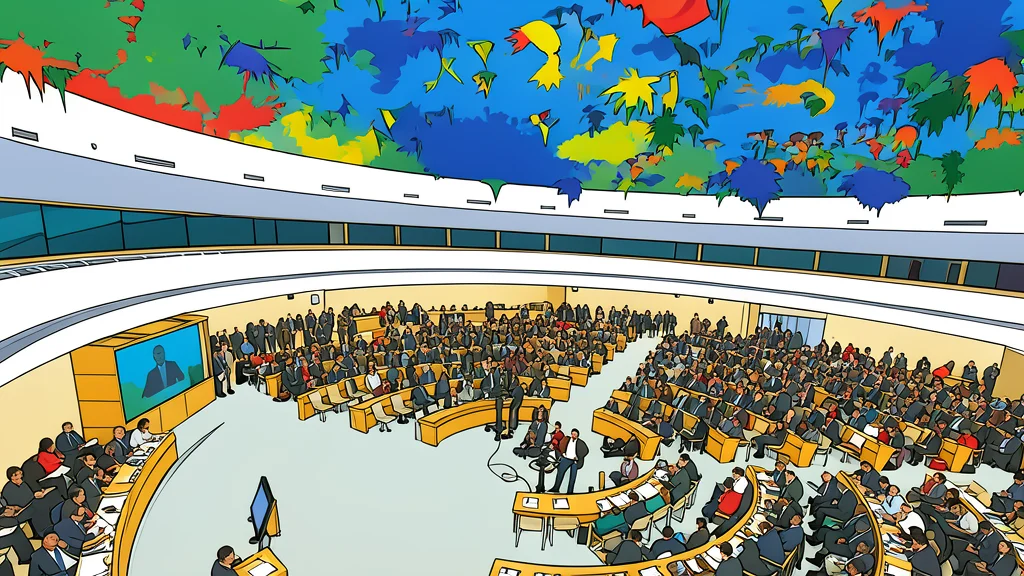
A new assessment reveals that civil society actors face increasing repression and cross-border intimidation for engaging with international mechanisms.
A comprehensive report released by the United Nations Secretary-General on Wednesday details a concerning trend of intimidation directed at activists, lawyers, and journalists who cooperate with the organization. The document highlights that these individuals are facing retaliation from both state and non-state actors, often for their efforts to advance human rights agendas. According to the report, this pressure is not limited to domestic boundaries but increasingly involves cross-border harassment and the use of digital surveillance tools.
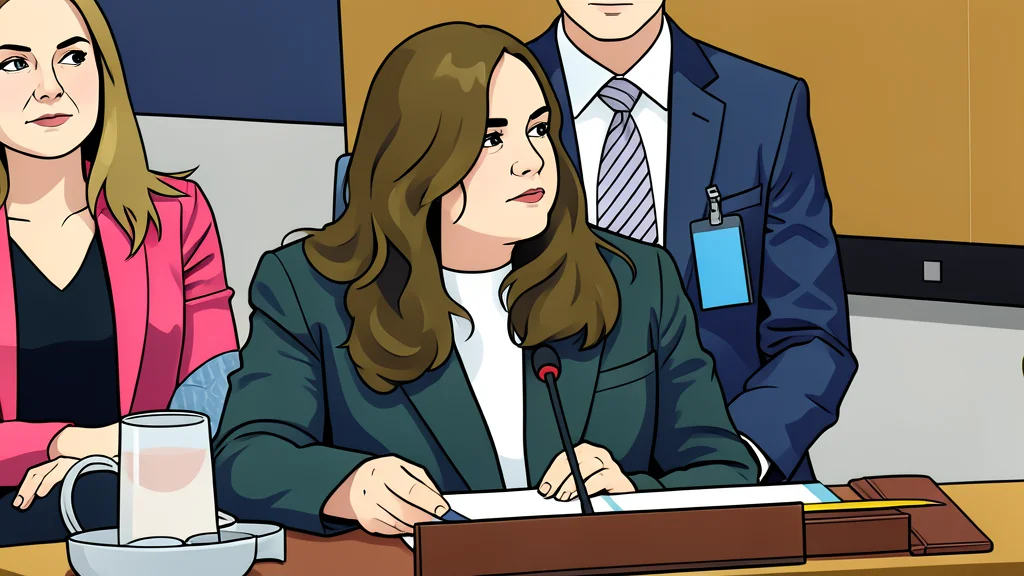
The findings cover incidents reported between May 2025 and April 2026, involving representatives from 32 different states. The report cautions that the documented cases likely represent only a fraction of the total number of incidents, as many victims remain silent due to fear of further harm. Claudia Fuentes Julio, the Assistant Secretary-General for Human Rights, emphasized that shrinking civic space and heightened surveillance are creating a hostile environment that discourages meaningful dialogue with the UN.
Cross-Border Intimidation Tactics
One of the most significant findings is the rise in targeting civil society members outside their home countries. The report notes that at least 43 individuals and four organizations have experienced arbitrary detention, physical attacks, and passport confiscation while abroad. Family members of these activists have also been subjected to intimidation, creating a broader circle of fear that extends beyond the primary targets.
Digital technologies play a central role in these reprisals, with increased use of online monitoring and harassment to silence voices. This digital repression complements traditional methods of control, making it difficult for activists to maintain safe engagement with international human rights mechanisms. The report underscores that these tactics are designed to deter participation and limit the flow of information to UN bodies.
Legislative Restrictions and Obstruction
The report identifies a pattern where more than half of the mentioned countries have enacted or amended laws that restrict core civil society activities. These legal frameworks often cite counter-terrorism, cybercrime, or national security concerns to justify the suppression of dissent. According to the document, such legislation is frequently misused to criminalize legitimate advocacy and cooperation with international organizations.
Attempts to obstruct participation in UN events have also been documented, including delays in accreditation and harassment on UN premises. Independent human rights experts and special mandate holders face specific risks, with attacks on them intended to discourage broader civil society engagement. The report stresses that these obstacles undermine the integrity of the UN’s human rights mechanisms.
Calls for Enhanced Protection
Despite the challenges, the report highlights positive steps taken to support human rights defenders, including initiatives to improve safety and participation on UN premises. Claudia Fuentes Julio urged all states to ensure that individuals can cooperate freely with the UN without fear of reprisal. She stated that safe and meaningful engagement with civil society is fundamental to advancing human rights worldwide.
As detailed in the analysis by GN geopolitics/rights (en-US), the situation remains volatile, with specific risks for young activists, women, and environmental defenders. The forward question centers on whether states will implement the recommended measures to protect these individuals and ensure that the UN can continue to serve as a neutral platform for human rights dialogue.