US Weighs Belarus Fertilizer Deal Amid Trade Friction

Washington is exploring potash imports from Belarus to offset high costs from Canadian tariffs.
Key points
- Trump stated the US is negotiating a potash deal with Belarus at lower prices than Canada.
- The move aims to relieve cost pressures on US farmers amid escalating trade tariffs.
- Recent policy shifts include reduced beef tariffs and relaxed regulations on meat processing.
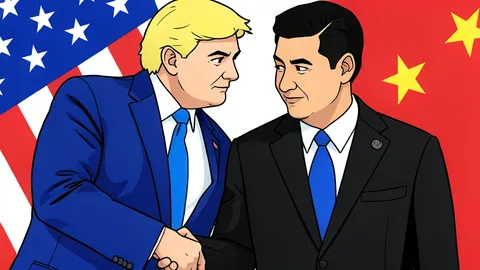
President Donald Trump announced that the United States is engaged in negotiations to secure a significant supply of fertilizer from Belarus. This move comes as tensions escalate in trade relations with Canada, a key agricultural partner, creating pressure on domestic producers.
According to a post on Truth Social, the proposed agreement focuses on the purchase of potash at prices substantially lower than current Canadian rates. The administration frames this initiative as a direct benefit for American farmers and ranchers who face rising input costs amid ongoing trade disputes.
Escalating Tensions With Canadian Trade Partners
The push for alternative fertilizer sources occurs against a backdrop of escalating tariff exchanges between Washington and Ottawa. These measures have imposed significant financial strain on the agricultural sector, particularly affecting ranchers and farmers who are traditionally reliable constituencies for the Republican Party.
As the midterm elections approach, the administration seeks to mitigate economic pain for these voters. The trade row has led to significant market volatility, prompting officials to look for ways to insulate consumers from downstream shortages and stabilize prices for essential agricultural inputs.
Strategic Shifts In Agricultural Policy
This negotiation follows recent administrative actions aimed at alleviating agricultural pressures. Last month, the White House temporarily reduced tariffs on imported beef products to address supply concerns, although officials have not disclosed specific details about participating countries or product coverage.
Additionally, in response to backlash from ranchers opposing previous beef deals, the administration loosened federal regulations. Changes were made to requirements for third-party butchers and packagers, allowing for more flexibility in how meat is processed before reaching the market.
Global Context And Market Implications
American farmers have been disproportionately affected by the combination of domestic tariff policies and global market shocks. The Russia-Ukraine conflict has disrupted global fertilizer supply chains, with Russia being the world’s largest exporter, thereby increasing the urgency for diversified supply sources.
The Washington Examiner notes that securing lower-cost alternatives is a priority for the current administration. By exploring deals with non-traditional partners like Belarus, the US aims to reduce dependency on higher-cost suppliers and stabilize the broader agricultural economy ahead of critical political milestones.