USAID Exit Leaves Global Environmental Gap
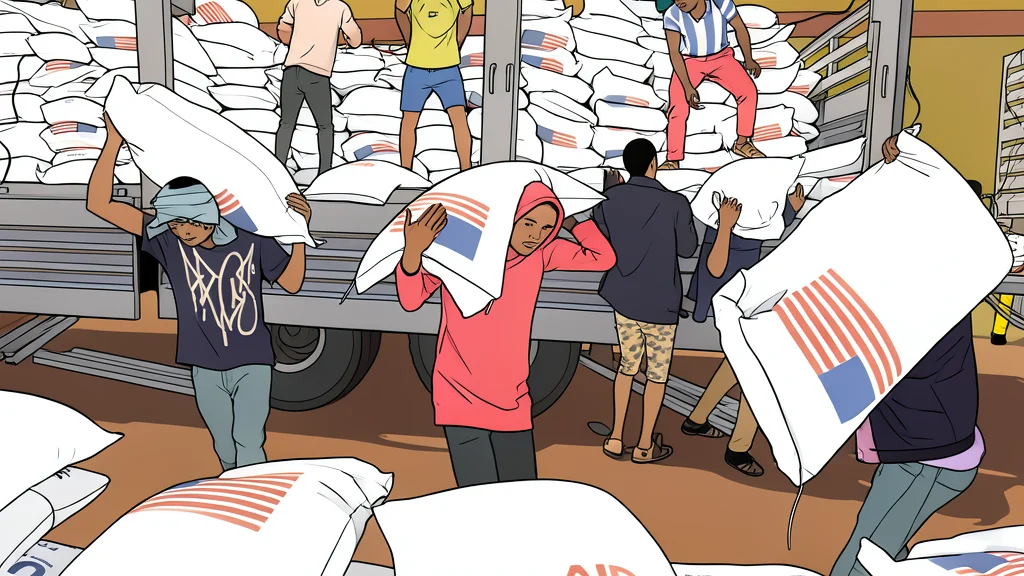
A new report details how the closure of USAID has led to rising deforestation and weakened local conservation capacity.
Key points
- USAID provided one billion dollars annually for climate and environmental programs before its closure.
- Former partners report increased deforestation and illicit activity in countries like Peru and Kenya.
- Local organizations have lost access to critical data and capacity support, weakening their effectiveness.
The abrupt dismantling of the US Agency for International Development has created a significant void in global environmental efforts, according to a new analysis. The report highlights that no other funder has stepped in to replace the billions of dollars and technical support previously provided by the agency for climate resilience and conservation.
Published by nationalobserver.com, the findings reveal that the loss of USAID funding has resulted in immediate backsliding on environmental standards. Former partners across five countries report that deforestation has increased and government officials have lost the support needed to push for domestic reforms.
Scale of Funding Loss
USAID was a dominant force in environmental finance, allocating approximately one billion dollars annually specifically for climate and environmental programs. The agency was known for issuing large, multi-year grants that allowed partners to build long-term infrastructure. This included cross-border conservation projects and work in high-risk, post-conflict zones where few other donors were willing to operate.
Impact on Local Partners
The withdrawal has weakened the operational capacity of local civil society groups. According to Hadas Kushnir, one of the report’s authors, the loss extends beyond money. Organizations have lost access to critical data libraries, digital clearinghouses, and capacity support that were integral to their work. This has left environmental groups fundamentally weaker and less able to advocate for accountability.
Risks in High-Risk Zones
In regions such as the Peruvian Amazon, the absence of oversight has coincided with a surge in illicit activity. Reports indicate a more than doubling of landing strips in the Ucayali region, facilitating illegal mining and coca cultivation. In Kenya, former partners noted that USAID’s work helped counter the influence of terrorist groups, a stabilizing effect that is now diminished.