Washington’s Sanctions Push Tests Ties with New Delhi

A new legislative proposal threatens to reshape energy trade dynamics, raising questions about the durability of the US-India partnership amidst broader geopolitical shifts.
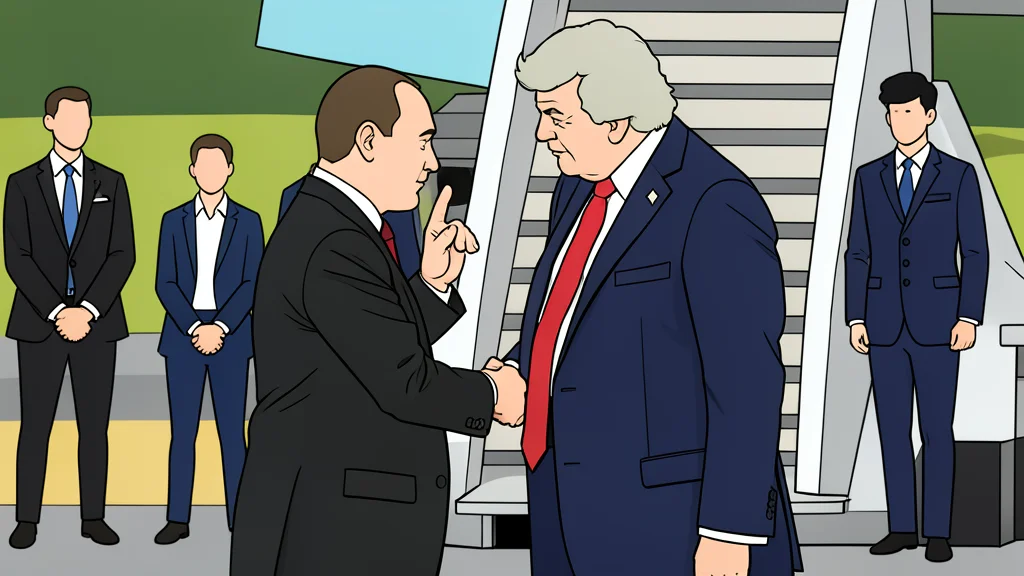
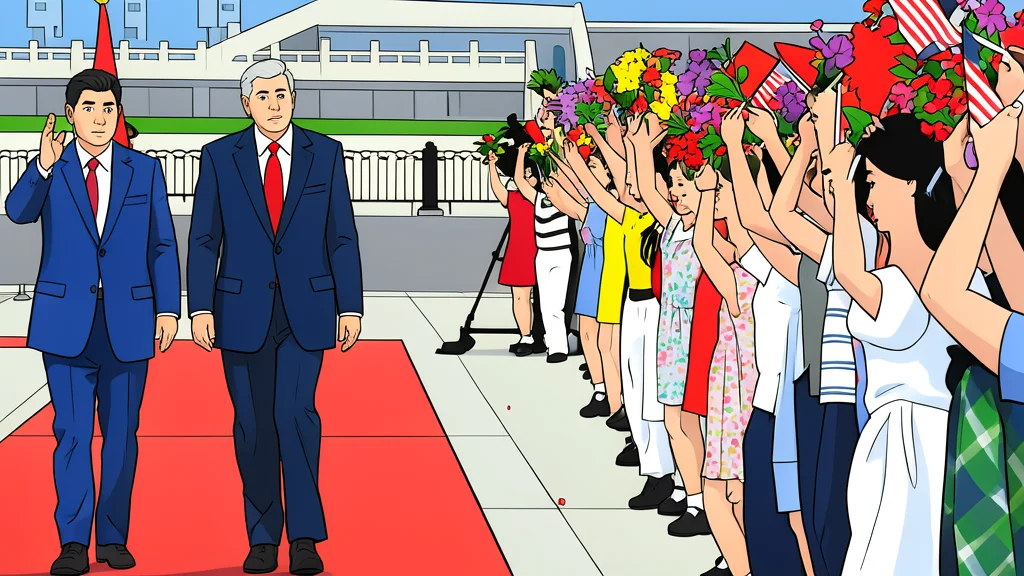
The passage of a significant sanctions bill by the US Congress has introduced a layer of uncertainty into New Delhi’s energy calculations. According to the Indian Express, the legislation empowers the executive branch to impose substantial tariffs on nations importing Russian crude, a move that directly impacts India’s strategic autonomy. This development marks a sharp divergence from the diplomatic accommodations previously granted under earlier sanctions frameworks, signaling a potential hardening of Washington’s posture toward its partners.
Indian officials have responded with measured concern, emphasizing the necessity of securing energy supplies for a population of 1.4 billion. External Affairs Minister S Jaishankar has framed the issue not merely as a trade dispute, but as a test of the bilateral relationship’s resilience. He warned that the weaponization of such economic tools could have lasting consequences for trust between the two democracies, suggesting that the current approach may be counterproductive to long-term strategic goals.
Legislative Pressure Meets Strategic Autonomy
The new bill, often referred to in policy circles as the Graham Bill, mirrors the structure of the 2017 Countering America’s Adversaries Through Sanctions Act. However, where the earlier law allowed for specific exemptions that India successfully negotiated, the current proposal appears to leave little room for such flexibility. Analysts note that this blunt instrument contrasts with the nuanced diplomacy that previously secured an exception for India’s purchase of Russian defense systems. The shift suggests a willingness to prioritize maximum pressure over targeted engagement, a strategy that critics argue may undermine the very objectives it seeks to achieve.
The tension is compounded by the broader context of ongoing conflicts in Eastern Europe and the Middle East. Many nations, including India, argue they were not involved in the origins of these crises yet now face economic repercussions. The administration’s rhetoric, which emphasizes an end to perpetual conflicts, appears at odds with the aggressive use of economic leverage against third parties. This dissonance raises questions about the consistency of US foreign policy and its impact on global supply chains.
Diplomatic Channels Remain Critical
Despite the public friction, behind-the-scenes diplomacy continues to play a vital role in shaping the final outcome. The US has recently deployed special envoys to engage with Moscow, indicating a dual-track approach that combines economic pressure with diplomatic outreach. For Washington, the sanctions may serve as a bargaining chip to influence both Russian behavior and Indian trade commitments. However, the effectiveness of such tactics depends on the willingness of other nations to engage rather than retaliate or diversify their partnerships.
India’s stance remains one of cautious engagement, seeking to protect its core interests while maintaining a constructive relationship with Washington. The government’s position is that energy security is a non-negotiable priority, and any policy that undermines this stability will face resistance. The coming weeks will likely see intensified negotiations as both sides attempt to find a middle ground that satisfies domestic political pressures without dismantling the economic architecture that has supported recent cooperation.
Global Implications of Economic Leverage
The broader impact of these measures extends beyond the bilateral relationship, affecting the global energy market and the credibility of the US as a reliable partner. As energy prices fluctuate in response to policy shifts, the US faces internal economic pressures, particularly with midterm elections approaching. The administration must balance the desire to project strength against the risk of alienating key partners who are essential for maintaining a stable international order. The effectiveness of sanctions as a tool of statecraft is increasingly being questioned in light of these unintended consequences.
Moving forward, the focus will turn to whether diplomatic channels can prevent the situation from escalating into a broader trade conflict. The ability of middle powers to navigate this geoeconomic churn will be a key indicator of the resilience of the current international system. If the US continues to rely on blunt instruments, it may find itself isolated from the very partners it needs to achieve its strategic goals. The path ahead remains uncertain, but the stakes for both bilateral ties and global stability are high.