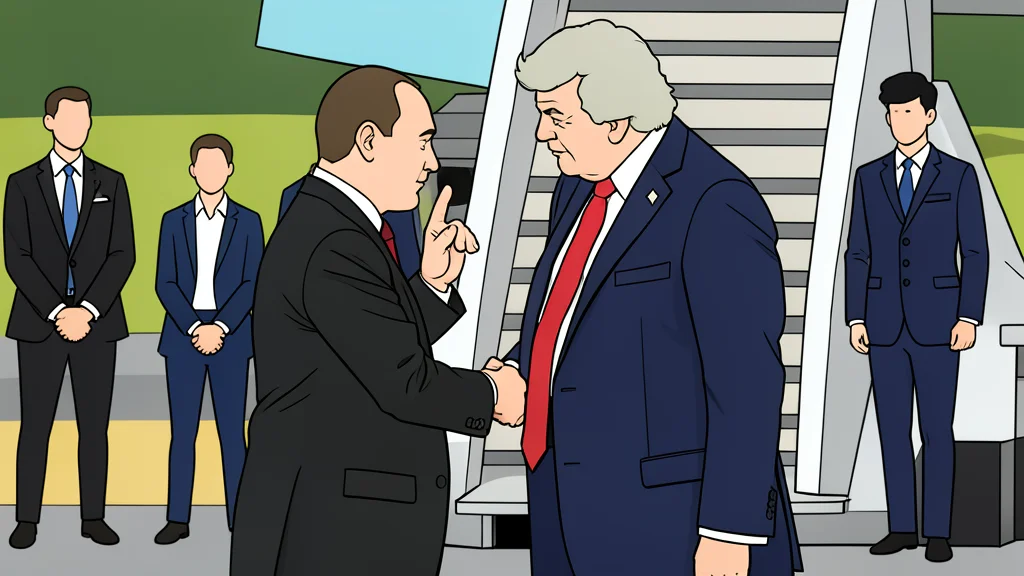
Trump and Xi Prepare for High-Stakes White House Meeting
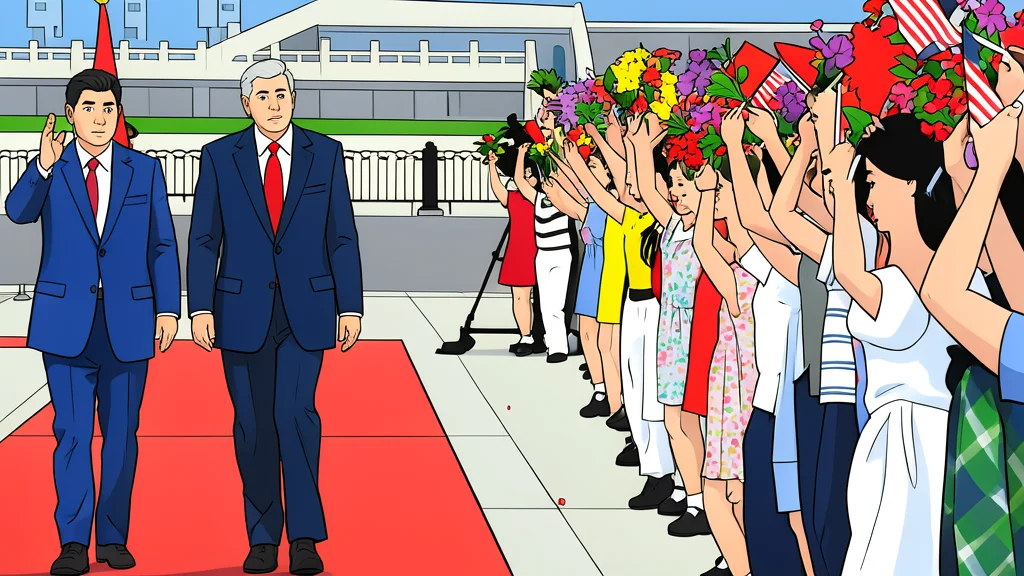
Leaders of the world's two largest economies are set to convene in Washington for a second summit this year, navigating a fragile trade truce and deepening geopolitical friction.
U.S. President Donald Trump and Chinese President Xi Jinping are scheduled to meet at the White House next week, marking the second high-level engagement between the two leaders in 2025. This encounter is contingent upon the fulfillment of specific diplomatic conditions, a detail that underscores the delicate nature of the current bilateral relationship. The timing is particularly notable as it falls roughly 40 days before the U.S. midterm elections, a period during which public opinion polls indicate that a significant portion of the American electorate still holds unfavorable views toward Beijing, despite a recent slight improvement in perception.
According to The Diplomat, the summit takes place against a backdrop of significant international tension, including the ongoing conflict in the Middle East and a deepening strategic alignment between China and Russia. While the tangible outcomes of the meeting are expected to be modest, the stakes are high as both nations attempt to stabilize their economic and political interactions amid broader global instability. The visit represents Xi’s first trip to the U.S. capital in a decade, shifting the focus from cyberespionage concerns of previous years to current issues regarding trade, security, and global influence.
Fragile Trade Truce Faces Renewed Scrutiny
A central focus of the upcoming discussions will be the sustainability of the one-year trade truce agreed upon in late 2025. Washington and Beijing previously reached a compromise that reduced certain tariffs and secured commitments from China to purchase substantial volumes of U.S. agricultural products, specifically soybeans, through 2028. However, this arrangement is set to expire in November, creating immediate pressure on both sides to extend or renegotiate terms before the current window closes. The fragility of this deal is highlighted by recent reports of a sharp decline in the export of yttrium, a critical rare earth element used in defense and aerospace sectors, despite Beijing’s prior commitment to waive export controls.
Analysts suggest that the U.S. may leverage new tariff discussions to extract further concessions or ensure compliance with existing agreements. The rare earth issue, in particular, has become a point of contention, with U.S. officials exploring additional charges on Chinese goods as a negotiating tool. This dynamic illustrates the broader challenge of maintaining economic cooperation while managing strategic competition, as both nations weigh the risks of renewed trade friction against the benefits of a stable commercial relationship.
Geopolitical Frictions Shadow the Agenda
The diplomatic environment surrounding the summit is complicated by escalating tensions in the Middle East and the deepening partnership between Beijing and Moscow. The collapse of ceasefires in the region has drawn U.S. military involvement, with recent retaliatory strikes by Iran affecting multiple Gulf states. China, as Iran’s largest trading partner and primary oil buyer, finds itself caught between maintaining its economic ties with Tehran and managing its relationship with Washington. This complex web of alliances and conflicts adds a layer of unpredictability to the bilateral talks, as both leaders must navigate the spillover effects of regional instability.
Furthermore, the recent reaffirmation of the strategic partnership between China and Russia has raised concerns in Washington regarding the shifting balance of power in global affairs. The signing of a joint statement to deepen this partnership, just months after the previous Trump-Xi summit, signals a coordinated approach to challenging Western-dominated institutions. This alignment is viewed with caution by U.S. policymakers, who are keen to prevent the consolidation of an adversarial bloc that could further isolate the United States and its allies on the world stage.
Uncertainty Surrounds Final Confirmation
Despite the U.S. government confirming the date of the meeting as September 24, Beijing has yet to officially verify the schedule. This lack of formal confirmation from the Chinese side introduces an element of uncertainty, with some reports suggesting that the summit could be canceled if Washington proceeds with a proposed $14 billion arms sale to Taiwan. The issue of arms sales to Taiwan remains a sensitive red line for Beijing, and any movement by the U.S. in this area could derail the diplomatic engagement. The coming week will be critical in determining whether the two leaders can overcome these obstacles and proceed with a dialogue that aims to manage rather than resolve their fundamental differences.