Amnesty Report Names 87 Officials in Iran Crackdown
A new 1,000-page report details the command structures behind the 2022 repression, while authorities move to demolish Gohardasht Prison.
Key points
- Amnesty International's 1,000-page report identifies 87 officials for investigation regarding the 2022 crackdown.
- Iranian authorities are demolishing Gohardasht Prison, a site associated with the 1988 mass executions.
- Regime officials warn that schools and universities are strategic targets for political opposition.
Four years after the nationwide protests that erupted following the death of Mahsa Zhina Amini, a comprehensive investigation has reconstructed the organizational architecture of Iran’s security crackdown. According to Amnesty International, the regime committed crimes against humanity through a coordinated effort involving hundreds of killed protesters and tens of thousands of arrests. The findings rely on extensive evidence, including interviews with 270 individuals, analysis of over 2,000 videos, and leaked official documents.
The report, titled 'Architects of Atrocities,' identifies 87 specific officials who are recommended for criminal investigation. Published in September 2026, the document moves beyond describing street-level violence to map the institutional orders and command structures that directed the suppression. It serves as one of the most detailed legal and historical accounts of the 2022 events, aiming to counter the regime’s ongoing efforts to evade accountability for its actions.
Demolition of Gohardasht Prison Raises Concerns
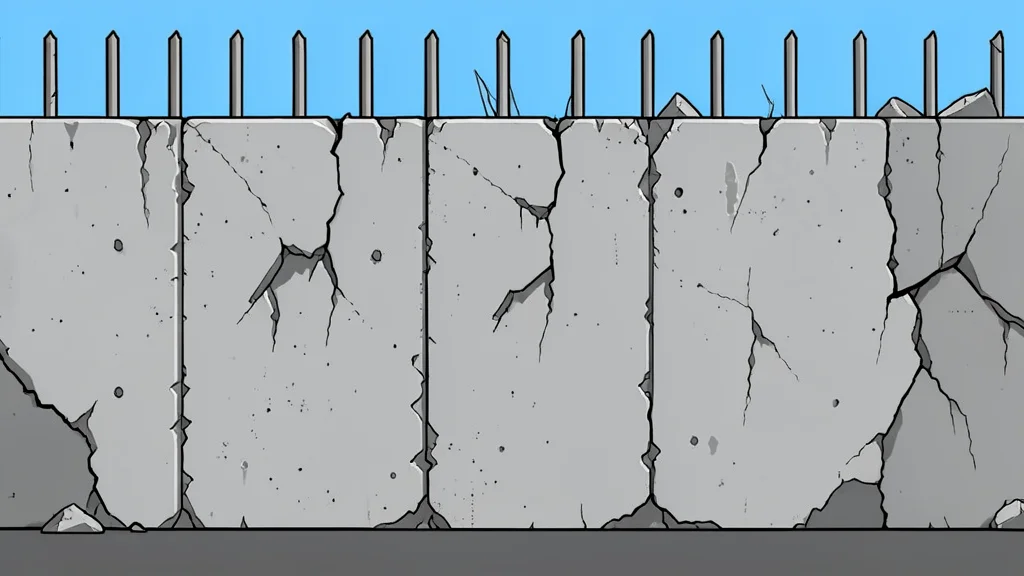
Concurrently, Iranian state media have reported that the walls of Gohardasht Prison in Karaj are being demolished to prepare the site for commercial development. This facility is historically significant as a site of severe political repression, particularly during the mass executions of 1988. The People’s Mojahedin Organization of Iran (PMOI/MEK) estimates that approximately 30,000 political prisoners were killed nationwide during that period, with the majority being members or supporters of the NCRI.
Observers view the physical erasure of the prison as an attempt to destroy evidence of past atrocities. Amnesty International has documented the killing of several thousand prisoners and characterized these events, along with continuing enforced disappearances, as crimes against humanity. The destruction of such sites complicates future forensic investigations and legal proceedings, raising questions about the regime’s intent to obscure its historical record.
Regime Anxiety Over Educational Institutions
As the new academic year begins, Iranian officials have issued warnings regarding political instability within schools and universities. Regime cleric Reza Nouri recently urged education administrators to remain vigilant, framing educational centers as strategic spaces that could be captured by alleged enemies. He called for a collective effort to sanitize the educational environment, suggesting that the regime views these institutions as primary fronts for ideological confrontation rather than neutral centers of learning.
Debate Over Monarchy and Democratic Transition
Political discourse among the Iranian diaspora has intensified regarding the future constitutional framework of the country. Reza Pahlavi has addressed the slogan 'Javid Shah,' clarifying that it represents a slogan of support rather than a demand for hereditary rule. He emphasized the establishment of a ballot box in Tehran, indicating a vision for a monarchy that is determined by vote and subject to democratic oversight, which distinguishes his movement’s goals from traditionalist interpretations.