BRICS Summit and the Path to Ending the Iran Conflict
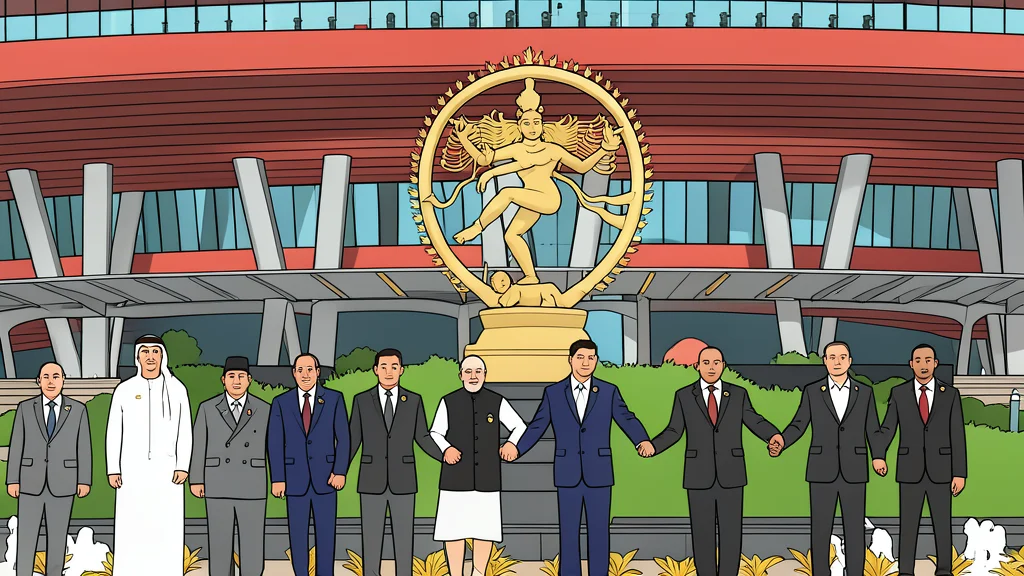
As the 18th BRICS summit concluded in India, private discussions reportedly focused on a conflict that defies Washington's strategic expectations, highlighting a growing reliance on non-Western powers for a diplomatic resolution.
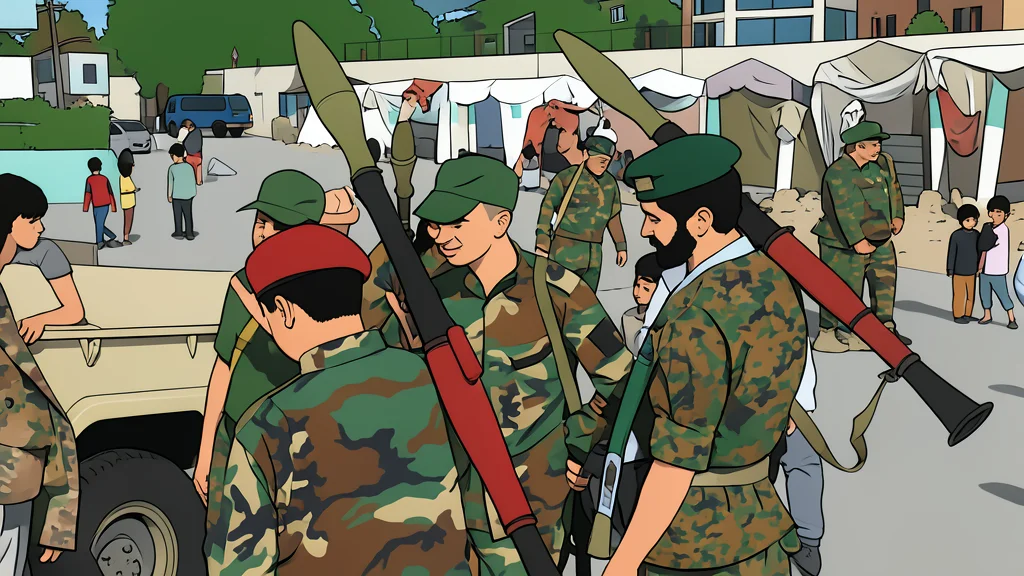
The 18th BRICS summit in India offered a stark contrast between its public agenda and private realities. While leaders from the group focused publicly on trade corridors and critiques of the Western-led global order, the conflict in Iran remained largely absent from the formal communiqué. However, according to Foreign Policy, the U.S. war in Iran was likely a central topic in private bilateral meetings. This divergence suggests that the nations convening the summit may hold the diplomatic leverage necessary to resolve a conflict that Washington has struggled to conclude.
The current trajectory of the war has diverged significantly from initial strategic expectations. Strikes in mid-2025 reportedly set back Iran’s nuclear capabilities but failed to topple the regime or force a surrender. With a diplomatic window closing and domestic political pressures mounting, President Donald Trump has indicated a desire to conclude the conflict before the November midterms. This timeline appears driven more by political necessity than strategic readiness, leaving the administration without a clear path to a victory that does not resemble either an unpopular prolonged campaign or a capitulation.
Structural Limits of American Guarantees
For Tehran, the primary obstacle to a settlement is the perceived unreliability of American security guarantees. Iranian officials have long argued that assurances from Washington can be reversed by future administrations or even the current one, rendering them ineffective for long-term state security. Furthermore, economic relief contingent on the U.S. financial system is viewed with suspicion, as it remains subject to unilateral withdrawal. Consequently, Iran seeks security and economic stability that are insulated from U.S. political volatility.
Non-Western Powers Fill the Gap
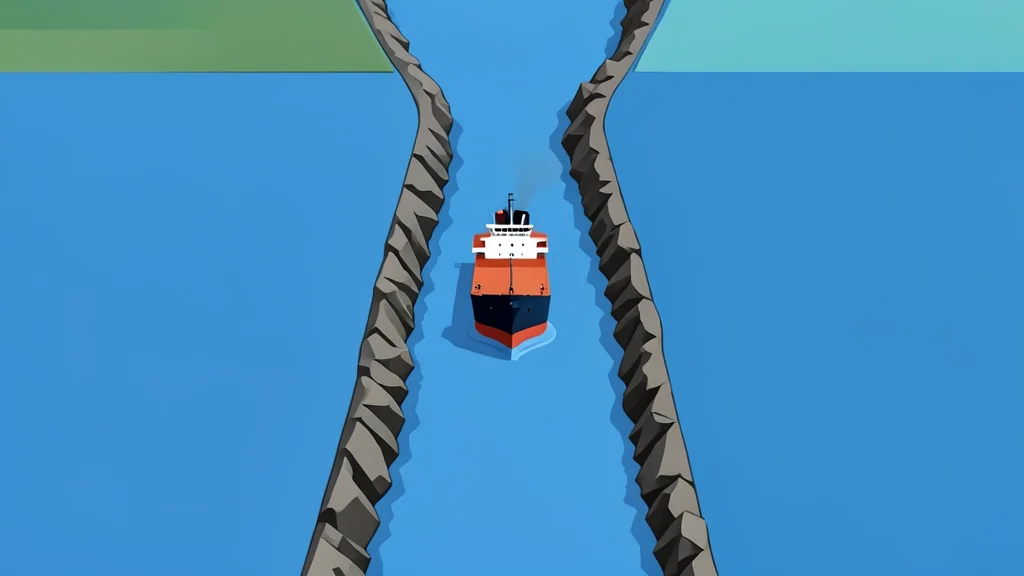
Russia, China, and India are uniquely positioned to offer the elements Iran requires. Russia provides a diplomatic guarantor role and a formal strategic partnership that lends legitimacy to any negotiated settlement, shifting the narrative from surrender to a negotiated outcome. China offers an economic lifeline through oil purchases that bypass the dollar clearing system, providing Iran with a revenue stream independent of U.S. sanctions. India’s role as the host of the BRICS summit further underscores the growing centrality of these non-Western actors in shaping regional stability.
The convergence of these factors suggests that a sustainable end to the conflict may require a framework that includes these three nations. Their combined capacity to provide both security optics and economic independence addresses the specific gaps in U.S. strategy. As the summit concluded, the quiet recognition among these leaders of their shared interest in a stable but sovereign Iran points to a new diplomatic reality.
Watch for Diplomatic Signals
In the coming weeks, the focus should shift from military posturing to diplomatic channels between Washington and the BRICS nations. Any movement toward a resolution will likely hinge on whether the U.S. can accommodate a role for Russia, China, and India in the security and economic architecture of the post-war order. The next significant indicator will be whether private discussions at the summit translate into public diplomatic initiatives that bypass traditional Western-led frameworks.