U.S. Warns of Rapid Escalation as Iran Outlines Hormuz Terms

American embassies advise against travel to the Middle East amid Houthi strikes and U.S. deliberations on potential major military action.
Key points
- U.S. embassies warn against travel to the Middle East due to risks of rapid escalation from Houthi attacks and regional instability.
- President Trump says he is deciding between major military action and economic pressure while considering a meeting with Iranian leadership.
- Iran claims it has sent conditions to the U.S. for reopening the Strait of Hormuz, which remains a central point of contention.
U.S. diplomatic missions across the Middle East have issued urgent security alerts, advising American citizens to avoid travel to the region due to the potential for rapid escalation. According to CBS News, the State Department warned that hostilities between Saudi Arabia and Yemen’s Houthi militia are intensifying, creating a volatile environment for non-combatants.
The heightened tension coincides with President Donald Trump’s statement that he is in a “deciding mode” regarding the conflict with Iran. He indicated he is weighing several options, ranging from significant military strikes to economic pressure, while simultaneously engaging in diplomatic backchannels to address the blockade of the Strait of Hormuz.
Military Activity and Regional Escalation
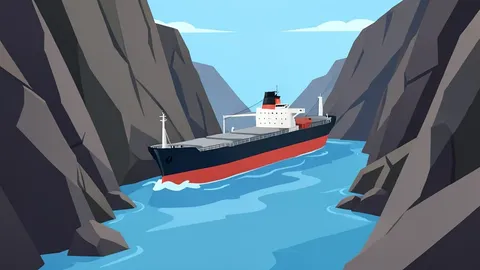
U.S. Central Command reported that its forces have escorted one billion barrels of oil and over 2,000 commercial vessels out of the Persian Gulf in recent months. Adm. Brad Cooper emphasized the scale of these operations, which aim to protect critical energy infrastructure and commercial shipping lanes from disruption.
Simultaneously, the Houthi militia expanded its campaign against Saudi territory, targeting oil storage facilities at Riyadh’s international airport and Aramco sites in Yanbu. Saudi officials stated that a ballistic missile aimed at Riyadh was intercepted, highlighting the reach of the attacks deep into the Kingdom.
Diplomatic Channels and Strategic Deliberations
In a rare visit to Cairo, CIA Director John Ratcliffe met with Egyptian President Abdel Fattah al-Sisi to discuss regional crises. The two leaders emphasized the need for diplomatic solutions to the wars in Iran, Gaza, and Sudan, as well as threats to maritime security in the Red Sea and Gulf.
President Trump told Fox News that he is considering a “big decision” that could involve major assaults on Iranian infrastructure. He also suggested openness to meeting with Iranian President Masoud Pezeshkian, who is expected to attend the United Nations General Assembly in New York this week.
Iranian Conditions for Strait Access
Iran’s top negotiator stated that Tehran has conveyed specific conditions to Washington through mediators for reopening the Strait of Hormuz. The strait remains a focal point of the stalemate, as it serves as a vital artery for global oil and gas trade that has been disrupted by the ongoing conflict.
The next few days are critical as observers watch for any formal announcements from the U.S. regarding military posturing or diplomatic breakthroughs. The convergence of military escorts, Houthi strikes, and high-level talks suggests that the trajectory of the conflict depends heavily on the outcomes of these parallel diplomatic and security tracks.