China's Diplomatic Push Aims to Cool Regional Tensions
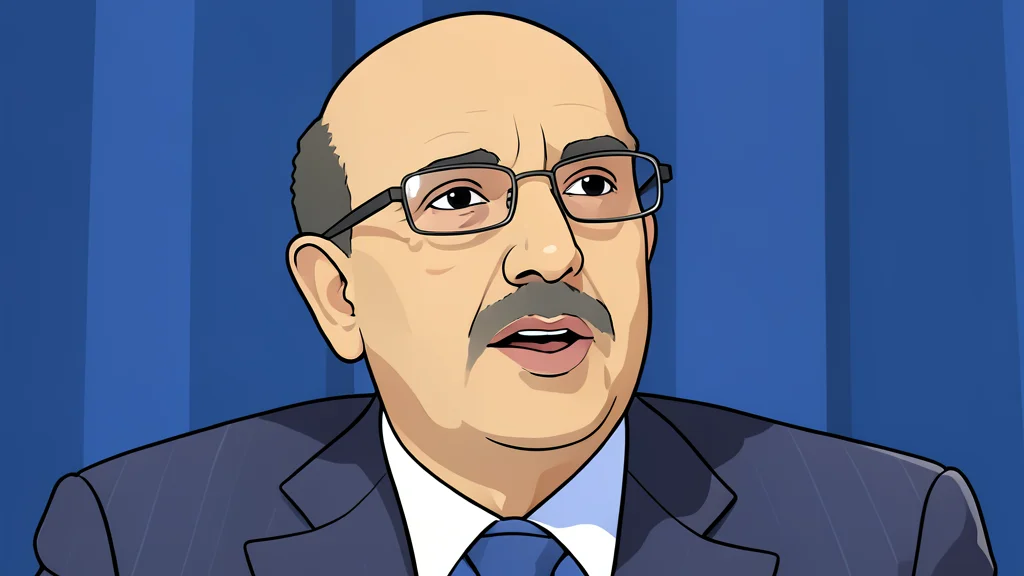
Former Pakistani ambassador Masood Khan argues that Beijing's recent outreach to Washington and Tehran offers a viable path toward de-escalation in the Middle East.
Sardar Masood Khan, a former Pakistani ambassador and president of Azad Jammu and Kashmir, has suggested that China’s expanding diplomatic footprint in the Middle East could serve as a critical mechanism for reducing regional volatility. Speaking in Islamabad on Friday, Khan highlighted Beijing's recent coordination with Pakistan and its direct dialogue with both the United States and Iran as positive developments that may create the necessary space for renewed negotiations.
The former diplomat described the upcoming meeting between Chinese President Xi Jinping and US President Donald Trump as a potentially stabilizing event. According to Khan, such high-level engagement could lower temperatures not only on a global scale but specifically within the Middle East, where competing narratives have recently intensified. He emphasized that dialogue remains essential even amidst the current climate of conflict and mutual allegations.
Beijing's focus on maritime security
Khan noted that China has become increasingly active in diplomatic efforts concerning the US-Iran conflict, with a particular emphasis on freedom of navigation. Recent statements from Beijing have underscored the importance of securing shipping lanes in the Red Sea and the Persian Gulf. This focus aligns with broader Chinese calls for restraint, the reopening of the Strait of Hormuz, and the resumption of diplomatic talks between the conflicting parties.
Pakistan and China's joint framework
The former ambassador recalled that China had previously supported Pakistan’s mediation efforts in the region. In March, the two nations jointly proposed a five-point initiative that called for an immediate cessation of hostilities and the early commencement of peace talks. The framework also included provisions for the protection of civilians and non-military targets, as well as the security of commercial shipping routes, while advocating for strict adherence to the UN Charter and international law.
Broader international cooperation needed
While viewing China’s role optimistically, Khan expressed hope that other major global actors would also contribute to diplomatic efforts. He specifically mentioned Russia and European countries, suggesting that a coordinated approach from these powers could further reduce tensions and help restore the negotiation process. This perspective, reported by GN auto geopolitics/middle-east: Middle East diplomacy, underscores the belief that multilateral engagement is more effective than isolated diplomatic moves in resolving complex regional conflicts.