UN General Assembly Faces Funding and Governance Crises
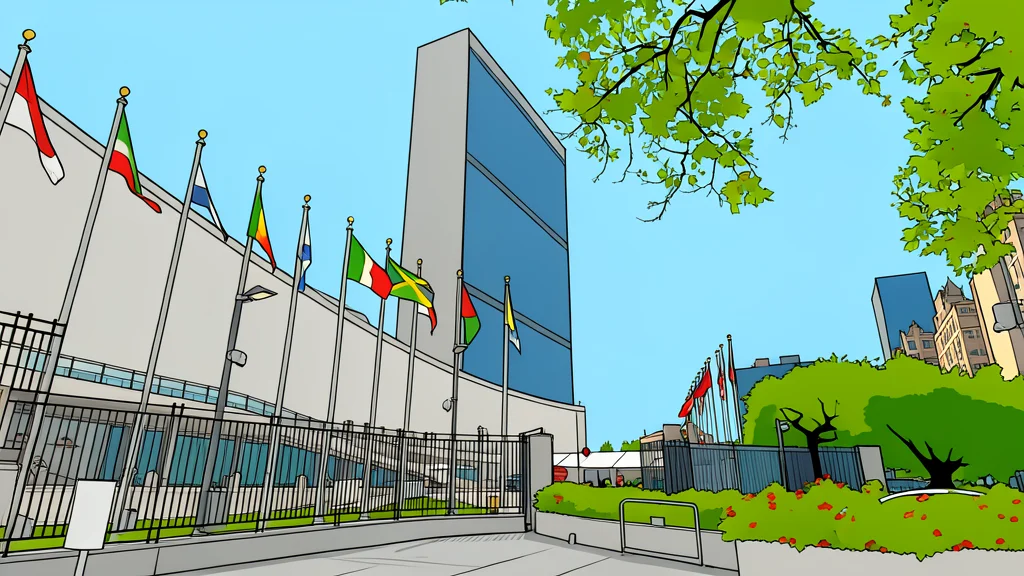
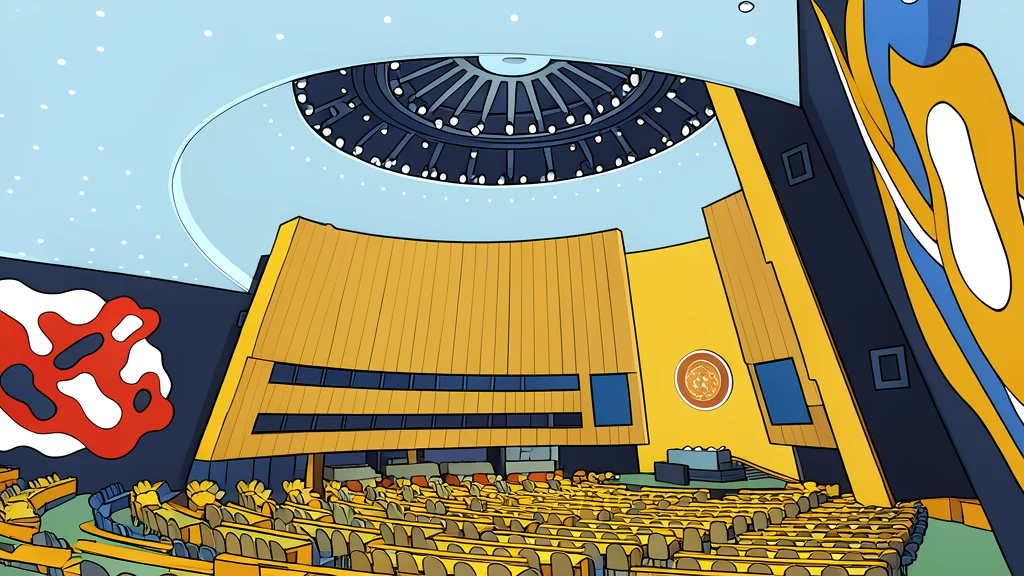
The 81st session of the UN General Assembly opens amid a surge in global conflicts and a severe financial shortfall, prompting urgent questions about the organization's survival and leadership.
The United Nations is confronting its most precarious moment since its founding, with the number of active armed conflicts reaching a post-World War II high. According to GN geopolitics/un, the organization is facing an estimated 130 active conflicts globally while simultaneously grappling with a funding crisis that outgoing Secretary-General Antonio Guterres described as bordering on imminent financial collapse. This dual pressure defines the backdrop for the upcoming high-level week, where member states must navigate deepening divisions over the agency's core mission.
Compounding these operational challenges is the looming transition of leadership. The selection of a new Secretary-General is expected before the end of the year, with eight candidates currently lobbying member states. The process is complicated by the need to secure support while avoiding vetoes from the five permanent members of the Security Council. As debates intensify, the focus shifts from idealistic rhetoric to the practical viability of the UN’s remaining functions.
Stabilizing Gaza Through New Mechanisms
A central pillar of the upcoming agenda is the implementation of Security Council Resolution 2803, which establishes a framework for postwar stability in Gaza. The resolution authorizes an International Stabilization Force and a Palestinian technocratic administration to manage security and humanitarian relief. According to GN geopolitics/un, the critical test lies in whether member states will contribute sufficient troops and political backing to ensure the force can effectively secure borders and facilitate the decommissioning of weapons held by armed groups.
The success of this framework hinges on the coordination between the UN system and international financial institutions. The World Bank and other bodies are expected to channel capital into a dedicated reconstruction trust fund, while humanitarian agencies work to strengthen safeguards against the diversion of aid. The six-month reporting requirements imposed by the resolution serve as a mechanism to maintain pressure for disarmament, aiming to transition the region from active conflict to a structured postwar order.
Uncertain Future for UNRWA Mandate
The United Nations Relief and Works Agency faces a volatile future despite a recent renewal of its mandate by the General Assembly. Financial support from key donors, including the United States and several European nations, has been suspended or cut, creating a precarious fiscal environment. Furthermore, the shift toward a new governing structure in Gaza under the Board of Peace raises questions about the long-term role of UNRWA in providing education, health, and social services to refugees.
Tensions surrounding the agency’s internal governance and educational materials have also come under scrutiny, with allegations of staff involvement in recent atrocities and criticism of curricular content. Stakeholders are now weighing whether to migrate service delivery to other UN agencies and NGOs or to retain operations within UNRWA. This decision carries significant implications for the approximately six million individuals who hold inherited refugee status, a unique category that remains a source of diplomatic friction.
Leadership Transition Amidst Geopolitical Tension
The race for the next Secretary-General is characterized by intense diplomatic maneuvering. Candidates are actively seeking to build consensus among member states while navigating the complex veto powers held by the permanent Security Council members. The absence of a clear frontrunner reflects the broader fragmentation within the UN, where ideological divides often stall decision-making processes.
Observers will closely watch how the new leadership addresses the funding gap and the credibility of the organization’s peacekeeping missions. The ability of the incoming Secretary-General to unify disparate member states around common goals will be a decisive factor in determining whether the UN can adapt to the current geopolitical landscape or continues to struggle with institutional paralysis.