Diplomatic Friction Erupts over IAEA Visa Denial
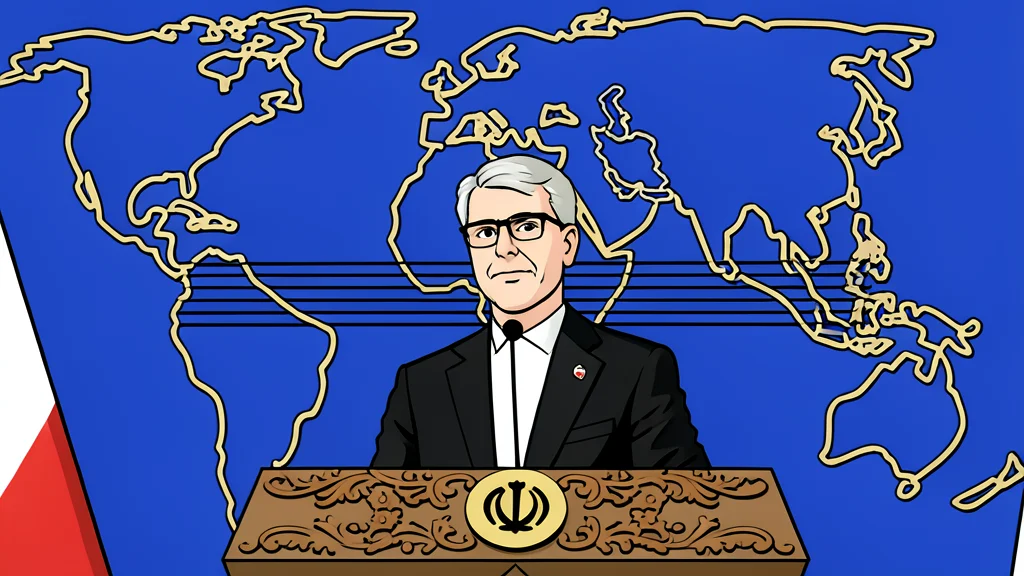
Tehran has formally protested Vienna’s refusal to grant visas to its nuclear officials, citing external pressure and raising questions about the independence of international monitoring bodies.
Iran has summoned the Austrian chargé d’affaires in Tehran to register a formal protest over the denial of visas for a delegation of nuclear officials. According to the Iranian Foreign Ministry, the decision prevented the country’s nuclear chief from attending a scheduled meeting of the International Atomic Energy Agency in Vienna. The move has immediately strained diplomatic ties between the two nations, with Tehran characterizing the refusal as an unjustified breach of diplomatic norms.
The incident has escalated into a broader geopolitical dispute, with Iranian officials alleging that the decision was influenced by Washington. While Austria has not publicly detailed the specific criteria for the visa denial, the timing of the refusal has fueled accusations in Tehran that Western powers are using administrative tools to limit Iran’s access to international forums. This development underscores the persistent tension surrounding the IAEA’s role in monitoring Iran’s nuclear activities.
Accusations of External Influence
Esmail Baghaei, the Foreign Ministry spokesman, stated during a press conference that the Austrian government’s action was completely unjustified. He further asserted that the incident appeared to occur under pressure from the United States, although he emphasized that this did not absolve Vienna of its responsibility. Baghaei’s comments reflect a long-standing Iranian narrative that Western governments are politicizing the IAEA to apply pressure on Tehran’s nuclear program, a claim that has been a recurring point of contention in recent diplomatic exchanges.
Western counterparts, including Austria and its allies, have consistently called for full cooperation from Iran with international inspections. They argue that transparency is essential for maintaining global nuclear non-proliferation standards. The current standoff highlights the difficulty of maintaining neutral diplomatic channels when core strategic interests are at stake, with both sides accusing the other of undermining the integrity of multilateral institutions.
Context of Nuclear Tensions
This diplomatic friction occurs against a backdrop of heightened tensions regarding Iran’s nuclear capabilities. The IAEA, headquartered in Vienna, serves as the primary body for verifying compliance with international nuclear safeguards. The inability of key Iranian officials to attend meetings in Vienna could be interpreted as a signal of deeper institutional distrust. According to reports from the GN auto geopolitics/middle-east: Iran nuclear desk, such barriers to communication may complicate ongoing efforts to resolve outstanding questions about Iran’s nuclear activities.
The refusal of visas also intersects with broader regional dynamics, where diplomatic channels are increasingly strained by security concerns. Other recent developments, such as the reported interception of a drone over the Strait of Hormuz, illustrate the volatile environment in which these diplomatic negotiations are taking place. The interplay between security incidents and diplomatic protocols suggests that the visa dispute is not an isolated event but part of a larger pattern of escalating friction.
Implications for Future Dialogue
The immediate consequence of this dispute is a potential cooling of direct diplomatic engagement between Tehran and Vienna. Without a clear path for the delegation to attend IAEA sessions, questions remain about how both sides will maintain the necessary technical dialogue. Observers are watching to see if Austria will reconsider its position or if Iran will pursue alternative diplomatic routes to raise the issue, potentially involving other European stakeholders or the UN Security Council.
The next few weeks will be critical in determining whether this incident leads to a sustained diplomatic rift or a temporary setback in relations. The response from other Western nations and the reaction from the IAEA leadership will provide further insight into the resilience of the multilateral framework. As both sides navigate this challenge, the focus remains on preserving the integrity of international nuclear monitoring mechanisms amidst significant political and security pressures.