Gulf Oil Exports Face Mounting Costs Amid Iran Conflict
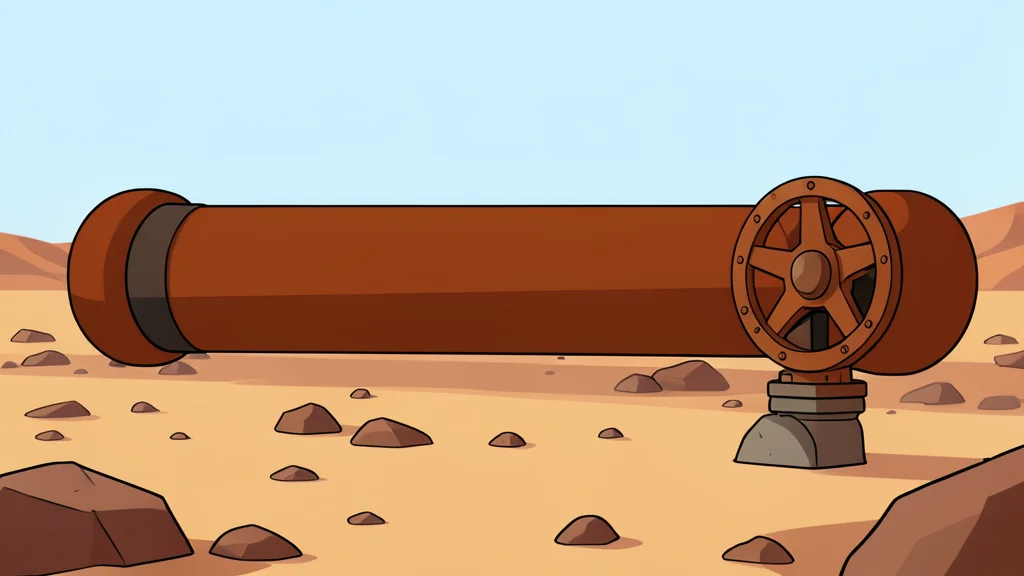
Alternative routes and pipelines have kept oil flowing since the Strait of Hormuz closure, but high costs and new attacks threaten sustainability.
Key points
- Gulf producers used pipelines and U.S.-protected routes to maintain exports after the Strait of Hormuz closure.
- Oil prices remain near $100 per barrel, higher than pre-war levels but lower than initial fears.
- Recent attacks on the East-West pipeline have forced a return to riskier shipping corridors.
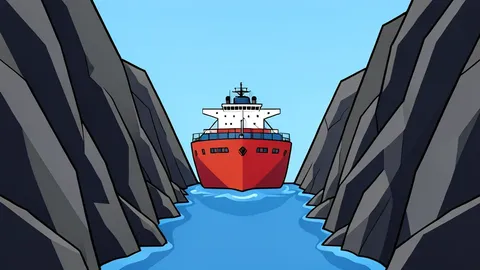
Gulf nations have maintained oil exports despite the closure of the Strait of Hormuz. This occurred at the start of the war with Iran. The disruption affected roughly 15 million barrels of oil per day.
Nearly seven months later, global supply remains sufficient. Prices hover around $100 a barrel. This level is high but lower than initial fears predicted. The situation has eased pressure on the global economy.
Alternative routes sustain supply
Saudi Arabia and the UAE activated spare pipeline capacity early on. Saudi oil flowed to the Red Sea port of Yanbu. The UAE used a route through Oman to Fujairah. These paths bypassed the blocked strait.
In May, ship operators used a U.S.-supervised route near Oman. They traveled at night with location systems disabled. Flows from Kuwait, Iraq, and the UAE began to recover. This defied Iranian demands for specific routing.
Attacks force shifting logistics
Houthi rebels in Yemen disrupted the Yanbu route in July. They threatened the Bab el-Mandeb Strait. Saudi Arabia then redirected shipments to the Mediterranean. Some tankers took a long detour around Africa.
The East-West pipeline was attacked earlier this month. It has been shut down for weeks. Loading at Yanbu halted on September 11. Gulf producers shifted back to the U.S.-guided corridor in the strait.
High costs challenge sustainability
According to The Independent, these workarounds are expensive. They may not be sustainable in the long term. Commercial oil stocks, especially in China, have helped stabilize prices. However, these stocks cannot be drawn down indefinitely.
Iran retains leverage through continued attacks on oil facilities. A U.S. naval blockade and sanctions pressure its economy. The situation remains fluid as both sides adapt to new threats.