Iran Asserts Strategic Control over Global Energy Routes
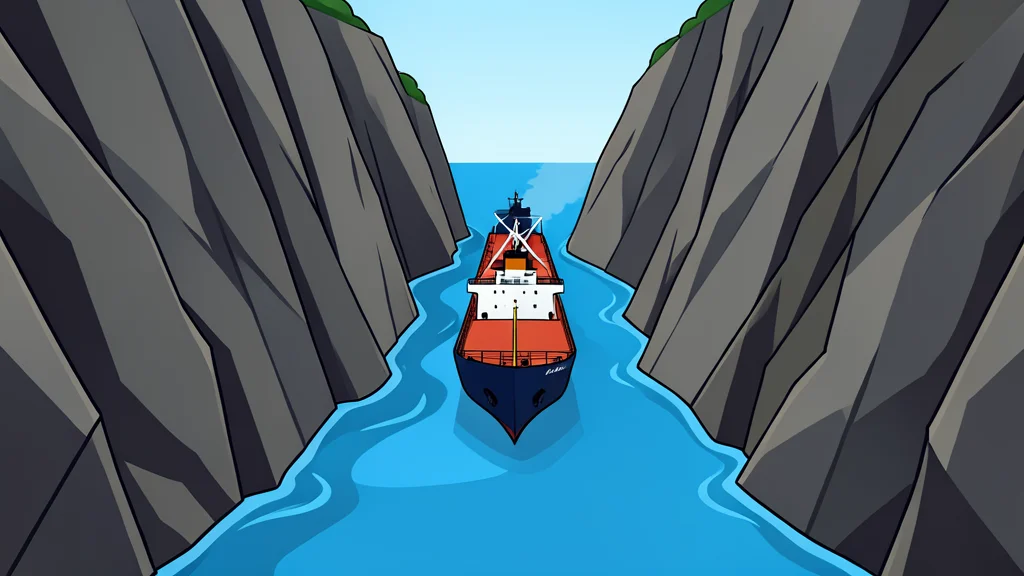
As the conflict with the United States enters its seventh month, Iranian state media reports indicate a shift from reactive defense to proactive strategic control of critical maritime chokepoints.
The geopolitical landscape surrounding the ongoing conflict between Iran and the United States has undergone a significant transformation, according to recent analyses from Iranian state-aligned publications. Rather than viewing recent events as isolated retaliatory strikes, these reports argue that Tehran has shifted its operational posture to seize the strategic initiative. This shift coincides with the conflict approaching its seventh month, a period marked by intensifying multidimensional pressure on Washington and a recalibration of global energy dynamics.
Central to this narrative is the assertion that Iran now effectively controls the pricing mechanisms of global energy markets. The closure or instability of key waterways, specifically the Strait of Hormuz and the Bab al-Mandab, has been cited as evidence of this leverage. While Western officials describe these disruptions as severe logistical challenges, Iranian sources frame them as the imposition of a "risk premium" that directly influences macroeconomic decision-making in the West, particularly regarding inflation and monetary policy.
Diplomatic Stalemates at the Security Council
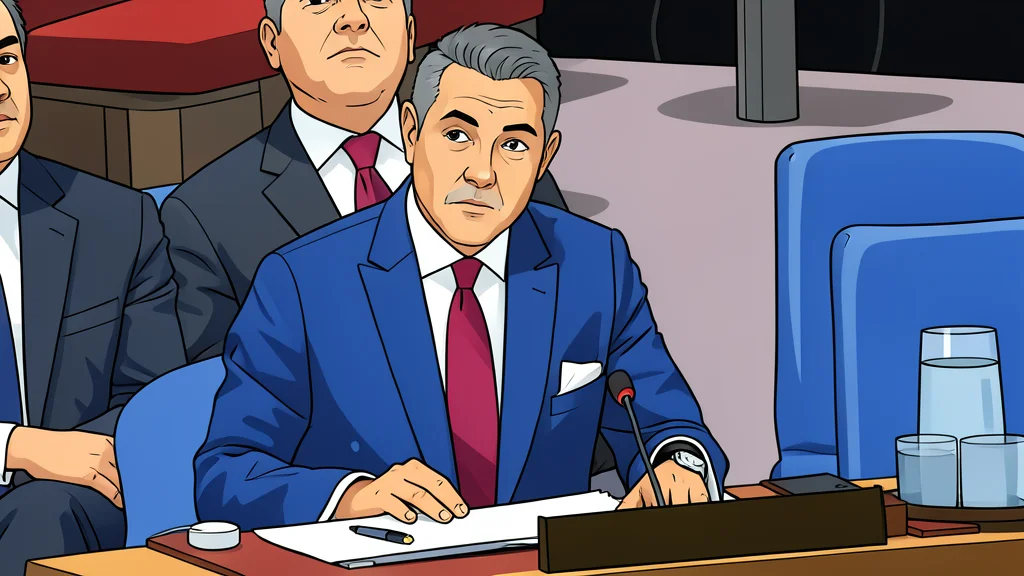
The diplomatic dimension of the crisis has intensified with recent developments at the United Nations Security Council. According to Tehran Times, which reported on the analysis, a US-drafted resolution aimed at addressing the situation was vetoed by China and Russia. Iranian officials welcomed this outcome, characterizing the vetoes as a necessary defense against the political misuse of the Council’s mechanisms. The dispute centers on the legal validity of the "Snapback" sanction mechanism and the broader jurisdictional limits of the body when dealing with Iran’s nuclear file.
Two parallel tracks are now emerging in the international legal arena. The International Atomic Energy Agency seeks to maintain its reporting scope on Iran’s nuclear program, while the Security Council faces deep divisions among its permanent members. Moscow and Beijing have utilized their veto power to block what they view as a politically motivated interpretation of international law, preventing it from becoming an enforceable decision. This standoff highlights a deeper disagreement over how the international community should approach the ongoing nuclear and security disputes.
Economic Leverage Through Strategic Chokepoints
The economic implications of the conflict have extended far beyond traditional military metrics. Reports indicate that the continued closure of the Strait of Hormuz has severely disrupted global monetary calculations and energy supply chains. Iranian officials describe this disruption as a strategic tool that challenges the structural stability of Western macroeconomic variables. By blocking this strategic artery, Tehran aims to influence US inflation dynamics, a factor that even the Federal Reserve has acknowledged as a direct impact on its tightening policies.
The balance of power, as described in these assessments, has moved beyond conventional military confrontation. Strategic decisions regarding commercial and energy waterways are now central to the conflict. The ability to disrupt the East-West pipeline and enable allied forces to control key chokepoints in the Red Sea demonstrates a capacity to convert military disruption into sustained economic and political leverage. This approach suggests a long-term strategy aimed at reshaping the global energy market rather than achieving short-term tactical victories.
Regional Ceasefire Efforts and Future Outlook
Amidst this turmoil, diplomatic efforts to de-escalate the situation are reportedly underway. According to the material, Saudi Arabia is pleading with China, Pakistan, and Oman for a two-week ceasefire. The initial vision for a limited military operation has given way to a complex crisis with consequences that extend far beyond the battlefield. The current phase of the conflict may reshape regional security architectures and energy markets, signaling a fundamental shift in the geopolitical order.
Looking ahead, the focus remains on the sustainability of these disruptions and the diplomatic responses from key international actors. The interplay between military actions, economic sanctions, and diplomatic vetoes will likely determine the trajectory of the conflict. As the situation evolves, the world watches closely for signs of either further escalation or a negotiated resolution that addresses the underlying strategic interests of all parties involved.