Iran Reaffirms Nuclear Resolve Amid Ongoing International Tensions
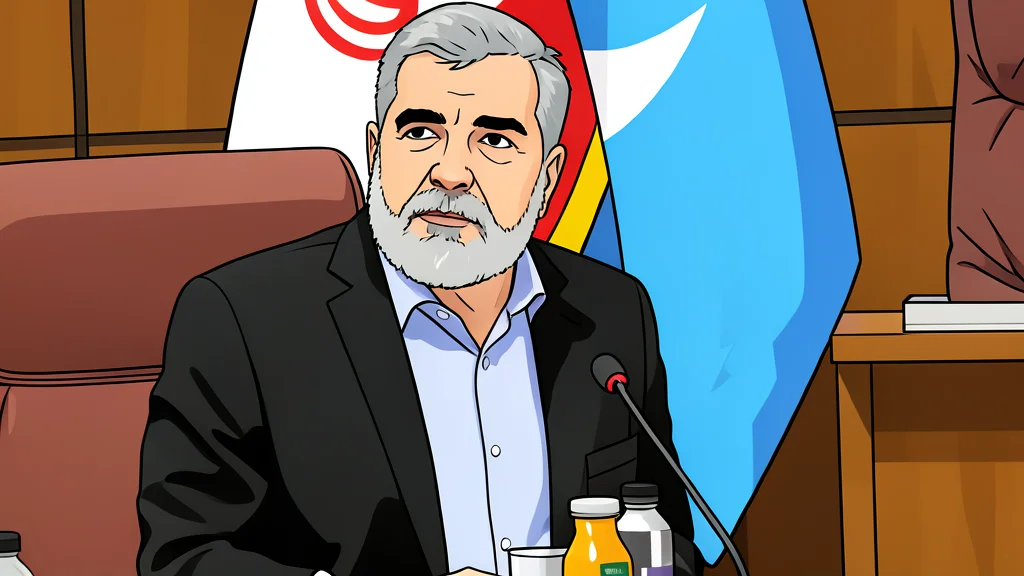
Iranian officials assert at the IAEA that military pressure cannot eliminate the country's nuclear expertise, citing decades of resilience against sanctions and diplomatic isolation.
During the recent General Conference of the International Atomic Energy Agency, Iranian representatives reiterated that the nation’s nuclear capabilities are a permanent fixture of its strategic posture. According to reports from the GN auto geopolitics/middle-east: Iran nuclear desk, officials emphasized that decades of external pressure have failed to alter Tehran’s trajectory. The message delivered was one of steadfastness, suggesting that the current diplomatic impasse is unlikely to resolve through coercion alone.
The stance taken in Vienna reflects a broader narrative of defiance that has characterized Iranian foreign policy for several decades. Rather than viewing recent restrictions as a temporary setback, officials framed them as evidence of the futility of the opposing strategy. This perspective positions the nuclear program not merely as an energy project, but as a core element of national sovereignty that remains insulated from external shocks.
Diplomatic Friction at the IAEA
A notable point of contention arose regarding the participation of senior Iranian technocrats in the conference proceedings. The exclusion of key figures from the Atomic Energy Organization was described by Tehran as a violation of host-country agreements, attributed to external political influence. This incident underscored the growing politicization of technical forums, where procedural decisions are increasingly viewed through the lens of geopolitical rivalry rather than scientific merit.
The dispute highlights the deepening mistrust between Iran and the international oversight body. While the agency maintains its mandate for verification and transparency, Tehran argues that its approach lacks impartiality. The resulting atmosphere complicates efforts to establish a baseline for future negotiations, as both sides view the other’s actions through a prism of historical grievance and strategic calculation.
Resilience of Nuclear Infrastructure
Officials argued that physical attacks or sabotage campaigns cannot erase the accumulated knowledge within the country’s scientific community. They pointed to the continued operation of nuclear facilities, including the Bushehr power plant, as proof of the sector’s durability. The argument suggests that the human capital and institutional memory behind the program are far more resilient than any single piece of hardware or infrastructure.
Furthermore, the expansion of nuclear applications beyond electricity generation was cited as a marker of this resilience. The production of medical isotopes and the use of radiation in industrial processes demonstrate a diversification of capability that is difficult to disrupt. This breadth of application reinforces the view that the program is deeply integrated into the national economy and society, making it a permanent feature of the state’s infrastructure.
Forward Challenges in Non-Proliferation
As the conference concluded, the path forward remains obscured by mutual accusations and rigid positions. The central question for observers is whether any diplomatic mechanism exists to bridge the widening gap between verification demands and sovereignty claims. With both sides entrenched in their narratives, the likelihood of a near-term breakthrough appears low, leaving the status quo as the most probable outcome for the immediate future.
The coming months will likely be defined by continued monitoring and sporadic diplomatic engagement, rather than substantive negotiation. The resilience of the nuclear program, as asserted by Tehran, suggests that any future developments will be driven by internal calculations and long-term strategic goals. The world must now watch for signals of either further isolation or a gradual, if fragile, re-engagement with the international community.