Iran's Deep Mountain Facility Defies Current US Strike Capabilities
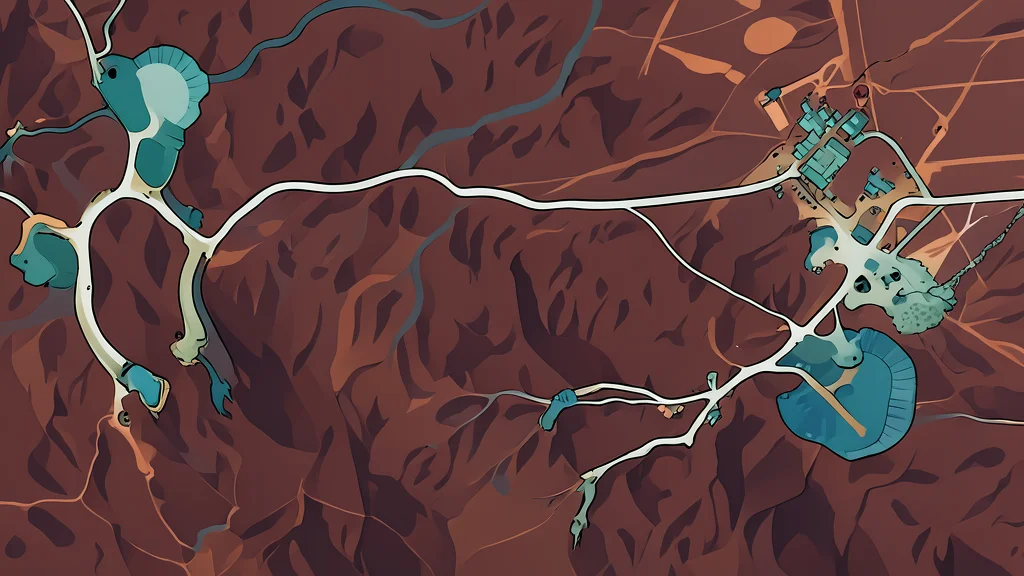
Satellite imagery suggests Iran is reinforcing the Pickaxe Mountain site, a facility so deep that experts question whether even America's most powerful bunker-busters can reach its core.
The nuclear facility known as Pickaxe Mountain, located just south of the Natanz complex, has emerged as a focal point in ongoing tensions between the United States and Iran. While last year's joint US-Israeli strikes successfully damaged key enrichment sites such as Fordow and Natanz, this particular underground installation was conspicuously absent from the target list. Recent developments suggest that the site is now drawing renewed attention from Washington, with President Donald Trump repeatedly threatening to strike the complex if diplomatic negotiations fail to yield an agreement.
According to the GN auto geopolitics/middle-east: Iran nuclear desk, the strategic significance of this site lies in its extreme depth and recent defensive upgrades. Analysts estimate that parts of the facility are buried between 80 and 100 meters beneath a granite mountain, a depth that may exceed the effective reach of conventional earth-penetrating weapons currently in the US arsenal. This physical barrier has led experts to question whether kinetic strikes alone can neutralize the site, prompting a debate over the viability of alternative tactical approaches.
Accelerated Construction Signals Defensive Intent
Recent satellite imagery indicates a sharp acceleration in construction activity at the site, which Joseph Rodgers, deputy director of the Project on Nuclear Issues at the Center for Strategic and International Studies, describes as the highest level recorded in the facility's history. This surge in activity appears to be a direct response to the previous year's attacks, suggesting that Iranian authorities are installing new defenses designed to protect the area against aerial bombardment. The work includes the reinforcement of entrances and the development of additional protective structures embedded within the rock face.
The purpose of the facility remains officially opaque, as international nuclear inspectors have never been granted access. When construction began in 2020, Tehran stated that the site was intended to house a plant for manufacturing centrifuges used in uranium enrichment. However, concerns have since grown that the complex may serve as a secure storage facility for near-weapons-grade enriched uranium or other sensitive nuclear material. Israeli intelligence has reportedly claimed that Iranian authorities moved centrifuges into the mountain last fall, providing circumstantial evidence of expanded nuclear activity.
Strategic Challenges for US Military Options
Military analysts argue that the depth of the facility presents a significant challenge for conventional air power. Behnam Ben Taleblu, senior director of the Iran Program at the Foundation for Defense of Democracies, has noted that the opportunity to destroy the site with traditional bunker-busters may have already narrowed due to its deeper burial compared to Fordow. Instead, he suggests that the United States might consider targeting and sealing the entrances to the complex. This approach would aim to make it difficult and costly for Iran to restore access to the interior, effectively neutralizing the site without needing to penetrate the deep granite layers.
The strategic calculus surrounding Pickaxe Mountain is further complicated by the fact that it escaped the previous wave of strikes. This omission has led to speculation about the limits of current US weaponry and the potential for the site to serve as a resilient backup for Iran's nuclear program. As diplomatic talks continue, the physical resilience of this underground complex remains a critical variable in assessing the potential outcomes of the conflict.
Diplomatic Stakes and Future Monitoring
President Trump has linked the fate of the facility directly to the outcome of negotiations with Tehran, warning that the US could strike the site if no agreement is reached. This threat underscores the high stakes involved in the current diplomatic standoff. The facility's status as a potential target serves as a lever in broader discussions regarding Iran's nuclear capabilities and the extent of its enrichment activities.
Looking ahead, observers will closely monitor any further changes in activity at the site, as well as the tone of diplomatic exchanges between Washington and Tehran. The effectiveness of any future strikes will depend heavily on whether the US can develop or employ methods to address the specific defensive measures Iran has implemented. The coming months will likely reveal whether the depth and reinforcement of Pickaxe Mountain can indeed withstand the pressure of both military and diplomatic forces.