Iran Signals Refusal to Revert to Previous Security Framework
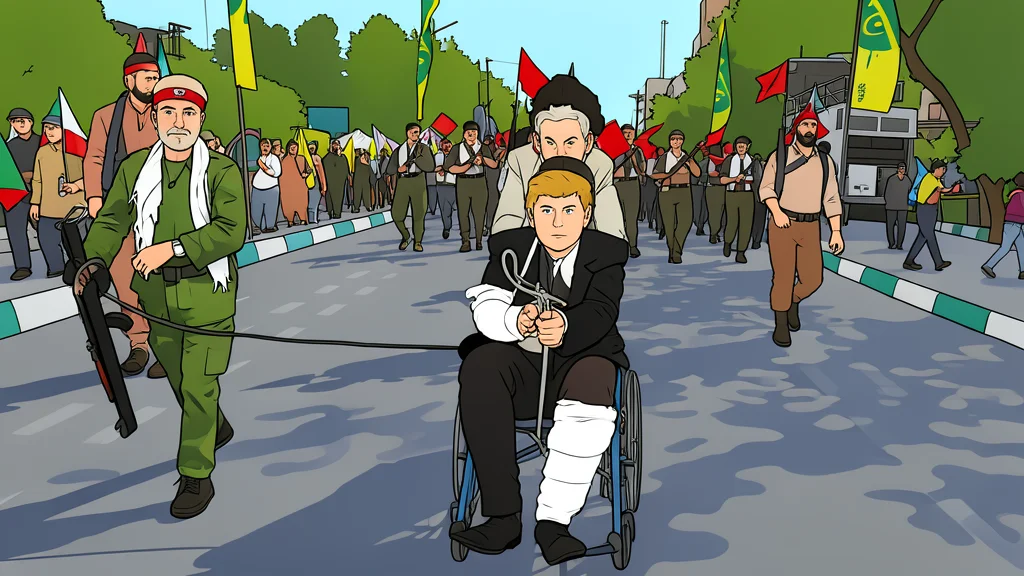
Tehran’s leadership has issued stern warnings to Washington, stating that military pressure and diplomatic leverage are concurrent tools in a strategy that rejects a return to pre-conflict operational norms.
Iran has articulated a dual-track strategy toward the United States, combining explicit military deterrence with diplomatic leverage. According to reports from the Tehran Times, senior officials in Tehran have signaled that any renewed American aggression would result in sustained attacks on US interests across the region. This messaging emphasizes that Tehran does not view military confrontation and diplomatic negotiations as mutually exclusive, but rather as intertwined components of a broader security posture.
The latest statements, delivered by high-ranking military and political figures, arrive at a moment of heightened tension concerning the Strait of Hormuz and the future of Iran-US talks. The overarching theme of these communications is a rejection of what Tehran describes as the old order, suggesting that the previous framework for regional security and energy flow is no longer viable under current conditions.
Military Command Issues Explicit Regional Warnings
The Khatam al-Anbiya Central Headquarters, which coordinates Iran’s military operations, released a statement accusing the United States of attempting to manufacture false gains from the conflict. The command alleged that Washington is seeking to conceal strategic failures and had decided to resume hostile actions following consultations in Europe with the support of certain regional states. The statement served as a direct warning that any US military error would be met with effective and painful strikes on American positions throughout the region.
These warnings were not limited to Washington; they extended to regional nations that might align with US aggression. Iranian authorities stated that countries cooperating with Washington in hostilities against Iran would be considered participants in that action and should not expect restraint from Iranian armed forces. This approach underscores a strategy where deterrence is applied broadly to discourage regional cooperation with American military objectives.
Strait of Hormuz Becomes Central Negotiation Lever
Parliament Speaker Mohammad Baqer Qalibaf reinforced the military messaging by linking the operational status of the Strait of Hormuz directly to the broader political dispute with the United States. Speaking to parliament, Qalibaf asserted that Iran’s conditions had already been communicated to Washington through intermediaries. He emphasized that the strait would not return to its previous operating conditions until Iran’s legitimate rights were recognized and US commitments were fully implemented.
Qalibaf declared that the path of unilateral imposition was closed, indicating that there would be no reopening of the strait or return to the previous negotiation framework without meeting Tehran’s stipulated conditions. This stance reflects a consistent position in recent months that the management of the waterway cannot be determined unilaterally by Washington or other outside powers, particularly given the collapse of a previous interim arrangement in June.
Implications for Global Energy Security
The significance of these developments extends well beyond the immediate bilateral confrontation. The Strait of Hormuz remains one of the world’s principal energy chokepoints, connecting the Persian Gulf with the Gulf of Oman and the Arabian Sea. As shipping data and geopolitical analysis suggest, any sustained disruption in this corridor would have profound implications for global energy markets and supply chains.
The forward question for observers and policymakers is how Washington will respond to these calibrated warnings. Whether through further diplomatic engagement to clarify the specific conditions Tehran deems necessary or through increased military readiness, the coming weeks will likely define the trajectory of regional stability. The interplay between deterrence and diplomacy remains the critical variable in this evolving strategic landscape.