Iranian Lawmakers Cite Security Gaps to Push for Nuclear Treaty Exit
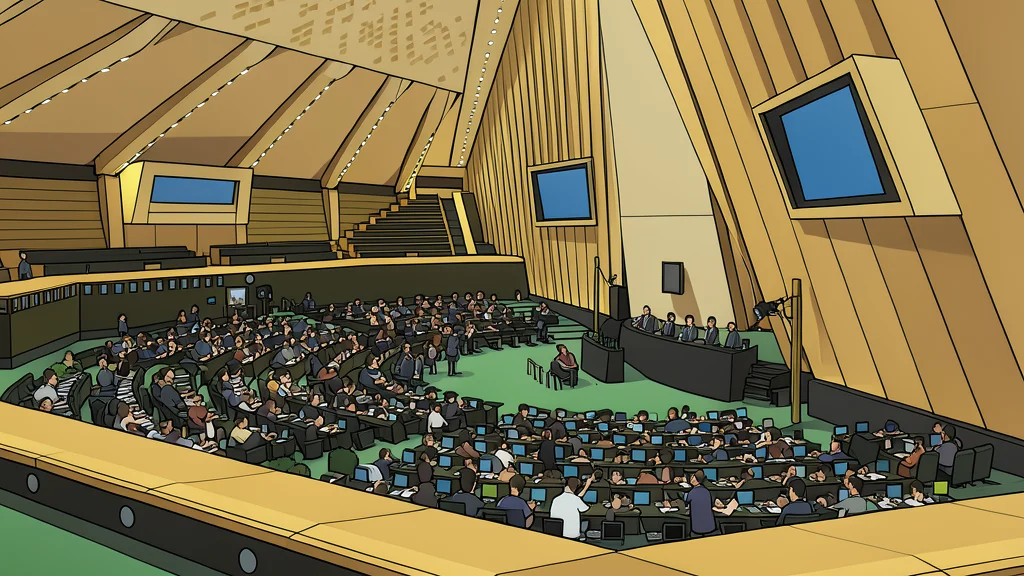
A formal statement from the Iranian parliament argues that the Non-Proliferation Treaty has failed to protect national interests, citing persistent threats and a lack of reciprocal rights.
A group of Iranian lawmakers has issued a formal statement arguing that the country should exercise its right to withdraw from the Non-Proliferation Treaty (NPT). The statement, reported by the GN auto geopolitics/middle-east: Iran nuclear desk, asserts that the international framework has become structurally ineffective in safeguarding Iran’s nuclear facilities against external threats. The legislators contend that despite accepting the highest levels of international supervision, the nation has not received the corresponding security guarantees promised under the treaty’s reciprocal balance.
According to the statement, the current arrangement is discriminatory and fails to secure Iran’s minimum legal rights. The lawmakers highlight a perceived imbalance where commitments to non-proliferation are met with a lack of protection for peaceful infrastructure. They argue that the international community’s passivity in the face of open threats and attacks on nuclear centers effectively endorses aggression, rendering the treaty’s security promises hollow. This perspective frames the withdrawal not as an abandonment of non-proliferation norms, but as a response to a system that they believe has become a tool for targeting rather than protecting.
Citing Ineffective Security Guarantees
The legislators outlined four primary reasons for the urgency of this move, with the first centered on the failure of the treaty to ensure the safety of peaceful nuclear facilities. They assert that such sites should enjoy the highest level of international immunity from military attack or sabotage. However, they point to what they describe as direct attacks on infrastructure and the assassination of scientists as evidence that the international bodies responsible for oversight have taken no deterrent action. The statement characterizes this silence as a form of passive endorsement of aggression, suggesting that maximum supervision has not translated into physical security.
Furthermore, the lawmakers argue that the scrutiny provided by the International Atomic Energy Agency has evolved into a mechanism for industrial espionage and political pressure rather than objective verification. They cite recent referrals of Iran’s nuclear file to the UN Security Council as examples of unjustified measures that exacerbate tensions. In their view, the current regime allows for the identification and targeting of power components while offering no tangible protection, thereby turning a cooperative framework into a source of vulnerability.
Legal Basis for Withdrawal
The statement relies on Article 10 of the NPT, which permits any member state to withdraw from the treaty if it determines that extraordinary events have jeopardized its supreme interests. The lawmakers claim that the continued existence of threats, open aggression against territory, and the ineffectiveness of international guarantees constitute such an extraordinary situation. They have called on the parliament’s presiding board to activate the legal process for a full withdrawal, noting that this would require providing three months' notice to all other members and the UN Security Council. This legal pathway is presented as a sovereign right to protect national security when existing treaties fail to deliver on their core promises.
In addition to withdrawal, the statement advocates for the establishment of new scientific, technical, and legal cooperation frameworks with aligned countries. This shift suggests a strategic pivot away from the current multilateral structure toward bilateral or regional arrangements that the lawmakers believe will be more responsive to Iran’s specific security and technological needs. The emphasis on defining new cooperation indicates an intent to maintain and expand nuclear-related capabilities outside the current international regime, potentially altering the diplomatic landscape in the region.
Forward Implications for Diplomacy
The next steps will likely involve internal parliamentary proceedings to formalize the request for withdrawal, as well as potential diplomatic reactions from other NPT member states and the IAEA. Observers will be watching for any immediate changes in Iran’s cooperation with inspectors or shifts in its public rhetoric regarding nuclear technology. The situation underscores a deepening rift between Iran and the broader international community over the interpretation of non-proliferation obligations and the adequacy of security assurances. Whether this leads to a formal exit or remains a political lever for negotiation remains the central question for the coming months.