Iranian Leader Declares End of Unipolar Coercion After Council Veto
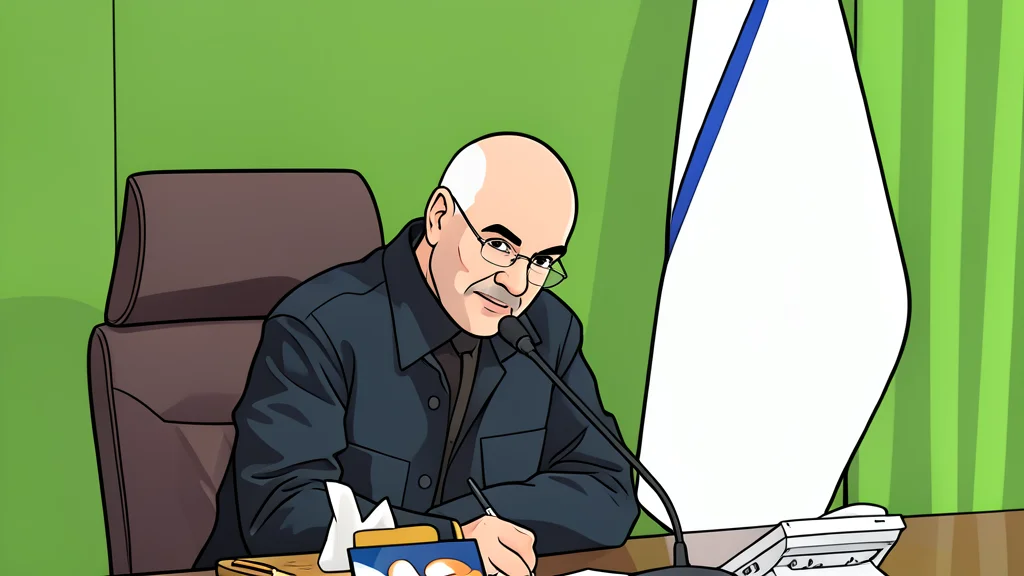
Following a split vote at the United Nations, Iranian leadership has declared the era of unilateral force over, framing the outcome as a victory for multilateralism and legal integrity.
Mohammad Baqer Qalibaf, the speaker of the Iranian Parliament, issued a sharp declaration on social media following Thursday’s contentious vote at the United Nations Security Council. He asserted that the unipolar international order, characterized by the extraction of concessions through force, has effectively ended. This statement arrived immediately after Russia and China exercised their veto power to block a US-backed resolution concerning Iran's sanctions monitoring mechanisms.
The resolution sought to extend the mandate of a panel of experts tasked with monitoring compliance with UN sanctions on Iran. Although the measure garnered support from eleven of the fifteen council members, the opposition from the two permanent members prevented its adoption. Qalibaf framed this outcome not as a defeat for the United States, but as a reaffirmation of the rule of law, arguing that the vetoes rejected what he described as the political abuse of the Security Council.
Diverging Views on Council Integrity
The reaction from Tehran was swift and unified. According to reports from GN geopolitics/un, Iran’s mission to the United Nations expressed gratitude to Moscow and Beijing for opposing what they termed a politically motivated draft. In contrast, Russian Ambassador Vassily Nebenzia urged Western nations to cease actions he described as dangerous, warning that they threatened to further complicate the already fragile situation in the Persian Gulf.
Qalibaf emphasized the necessity of defending multilateralism, stating that unilateralism serves no nation’s interests. This rhetoric aligns with a broader narrative among non-aligned states that the current global architecture is skewed toward the interests of a single hegemon. By invoking the concept of legal integrity, Iranian officials aim to position their stance as principled rather than purely defensive.
Sanctions Monitoring Panel Status
The practical implications of the veto extend beyond the symbolic rhetoric. The mandate of the expert panel was scheduled to expire on September 27. For the past year, members of the Security Council have been unable to agree on appointing new experts, leaving a significant gap in the oversight of Iran’s adherence to sanctions. Without an extension, the mechanism for verifying compliance will lapse, potentially reducing transparency for international stakeholders.
The failure to extend the mandate creates a complex diplomatic landscape. While the US and its allies view the panel as a critical tool for accountability, Iran and its supporters argue that the panel itself is a product of politically driven policies. The absence of a functioning monitoring body may lead to increased disputes over compliance in the near future, complicating efforts to stabilize regional relations.
Next Steps in Regional Diplomacy
As the mandate expiration date approaches, diplomatic pressure is expected to intensify. Observers will watch closely for any attempts by Western nations to propose alternative monitoring frameworks or to seek bilateral assurances from Tehran. The rhetoric from Iranian leadership suggests a willingness to engage in multilateral dialogue, provided it is conducted on equal footing and free from coercive leverage.
The coming weeks will be crucial in determining whether the stalemate at the Security Council leads to further escalation or a shift toward negotiated outcomes. The interplay between national interests and international legal norms remains a central challenge for the region, with significant implications for global security and economic stability.