Iranian Press Reports 205-Day Conflict and Strategic Shifts
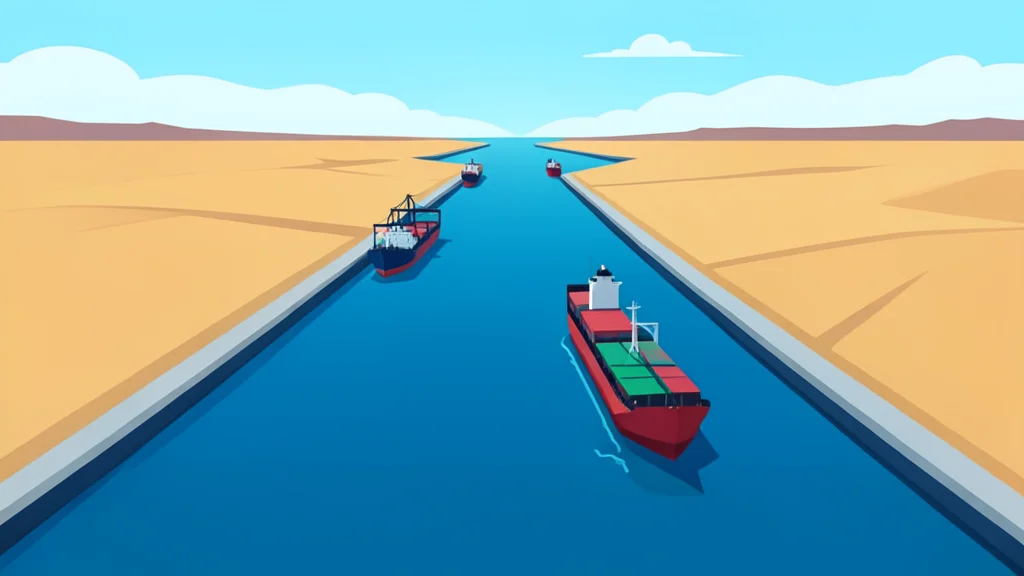
Tehran Times cites domestic editorials claiming US-Israeli goals failed after 205 days, highlighting Strait of Hormuz leverage.
Key points
- Tehran Times reports Iranian editorials claim US-Israeli military goals failed after 205 days of conflict.
- Editorials highlight the strategic importance of the Strait of Hormuz and Bab al-Mandeb in the standoff.
- Domestic analyses link US political rhetoric to concerns over congressional elections and executive power.
According to the Tehran Times, a collection of Iranian editorials suggests that the conflict between Iran and its adversaries has persisted for more than 200 days without yielding the anticipated strategic victories for the United States and Israel. The report notes that domestic publications characterize the prolonged engagement as a period where initial offensive objectives have stalled, leading to a reassessment of military and diplomatic priorities.
The narrative presented in these editorials emphasizes a shift in focus from regime change to the security of critical shipping lanes. It is argued that while the Strait of Hormuz remains a central point of contention, the potential closure of the Bab al-Mandeb strait by Yemeni forces adds a new layer of complexity to regional stability and global energy markets.
Shift in Strategic Objectives
Kayhan, cited in the report, asserts that the initial goal of overthrowing the government within weeks has not materialized. Instead, the analysis claims that the United States and Israel are now compelled to prioritize reopening the Strait of Hormuz. This shift is described as a response to the failure to dismantle Iran’s missile or drone capabilities, a point echoed across several of the cited editorials.
The editorials suggest that the prolonged nature of the conflict has exposed vulnerabilities in the opposing coalition’s strategy. By highlighting the control of alternative shipping routes by allied forces in Yemen, the texts argue that the adversaries face a widening security perimeter that complicates their military operations and diplomatic messaging.
Domestic Political Pressures
Ham-Mihan’s analysis, as reported, links the ongoing conflict to domestic political calculations in the United States. The editorial suggests that President Trump’s rhetoric regarding the end of hostilities and fuel prices is driven by concerns over upcoming congressional elections. It posits that a loss of Republican majorities could significantly constrain executive power in the remaining term.
This perspective frames the international conflict through a lens of internal political survival. The text implies that promises of economic relief and military victory are strategic tools intended to consolidate political support rather than purely diplomatic or military necessities.
Diplomatic Opportunities at UN
Arman-e-Emrooz identifies the upcoming United Nations General Assembly as a critical juncture for Iranian foreign policy. The editorial advocates for active participation in coordination with non-aligned and BRICS partners to rebuild relations with Arab and European states. It suggests that this multilateral approach offers a path to counter unilateral pressure and revive previous diplomatic frameworks.
The text warns that missing this diplomatic window could result in lasting political and economic losses. By leveraging its geopolitical position and internal mobilization, Iran is portrayed as having the capacity to influence international legitimacy and create a more favorable environment for future negotiations.