5,672 Moroccans Voluntarily Leave Ceuta to Avoid Entry Bans
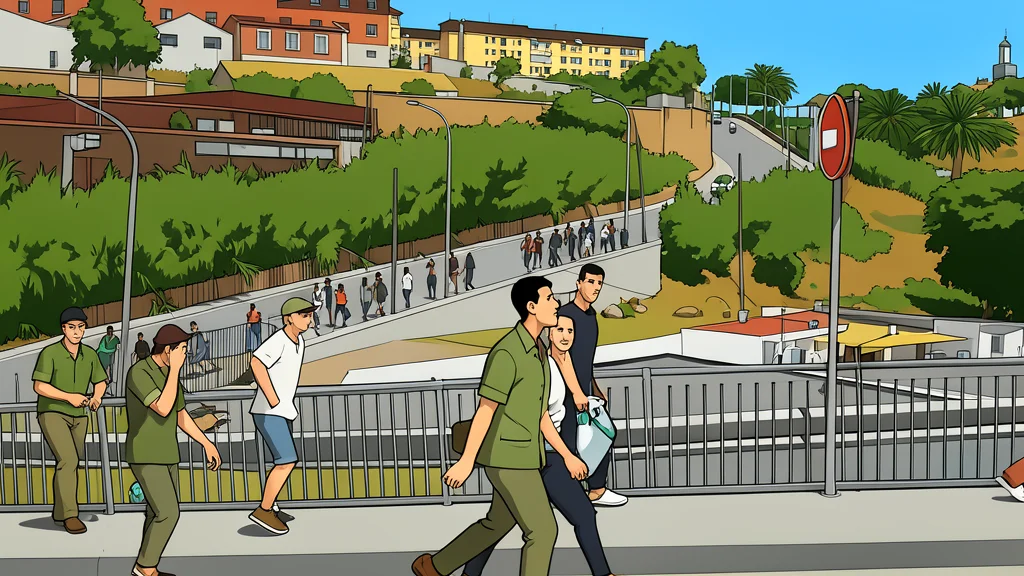
Thousands of Moroccan migrants are withdrawing asylum claims in Ceuta to avoid five-year Spanish entry bans, according to police sources.
Key points
- 5,672 Moroccan migrants have voluntarily returned to Morocco from Ceuta since August 10 to avoid entry bans.
- Deportation in Spain carries a five-year entry ban, while voluntary departure does not, driving the increase in withdrawals.
- Tensions in Ceuta heightened after a local lawmaker was attacked, with political rhetoric cited as a contributing factor.
A significant number of Moroccan nationals residing in the Spanish enclave of Ceuta are choosing to return home voluntarily rather than face potential deportation. This shift is driven by the legal consequences of rejected asylum claims, which can result in a five-year ban on entering Spain.
According to police sources cited by La Vanguardia and reported by Morocco News, at least 5,672 people have left the enclave since August 10. This exodus includes many of the over 70,000 individuals who attempted to cross the border in late July, now facing uncertain legal status and difficult living conditions.
Legal Risks Drive Voluntary Departures
The primary motivator for this movement is the distinction between voluntary departure and forced deportation. Spanish government sources indicate that 134 Moroccans have already withdrawn their international protection requests, a figure expected to rise. Unlike those who are deported after exhausting appeals, those who leave voluntarily do not face the same long-term entry restrictions.
Interviews with migrants from Tetouan reveal that the decision often follows weeks of hardship. Some described living in overcrowded garages or shared apartments, while others worked in construction despite injuries. The uncertainty of their legal standing, combined with the physical strain of their stay, pushed many to seek a return to Morocco.
Strained Conditions in the Enclave
The influx of migrants has placed considerable pressure on Ceuta’s infrastructure, including the Temporary Immigrant Detention Center. Authorities are struggling to accommodate those who remain, leading to tensions within the community. Morocco has stated it is prepared to receive its nationals, though some migrants express fear of being relocated far from their hometowns upon arrival.
Political Tensions and Local Violence
The situation has exacerbated social friction in Ceuta, culminating in an attack on a local lawmaker. Julia Ferreras, a human rights lawyer and member of the Ceuta Ya! party, had her vehicle stoned by a group of residents on Sunday. She attributed the hostility to rhetoric from right-wing figures, specifically criticizing the enclave’s president for labeling migrants as invaders.
Spanish Prime Minister Pedro Sanchez condemned the violence, urging that such acts not become normalized. As the number of voluntary returns climbs, the focus remains on how the legal framework and local politics will continue to shape the future of the border crisis.