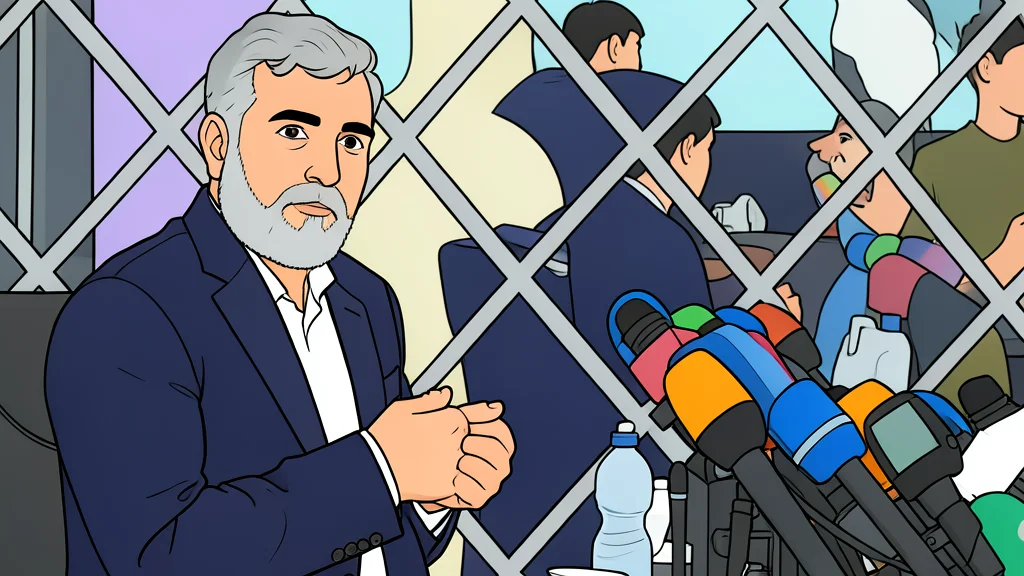
Kurdistan Businesses Halt Operations Amid Heavy Security Presence
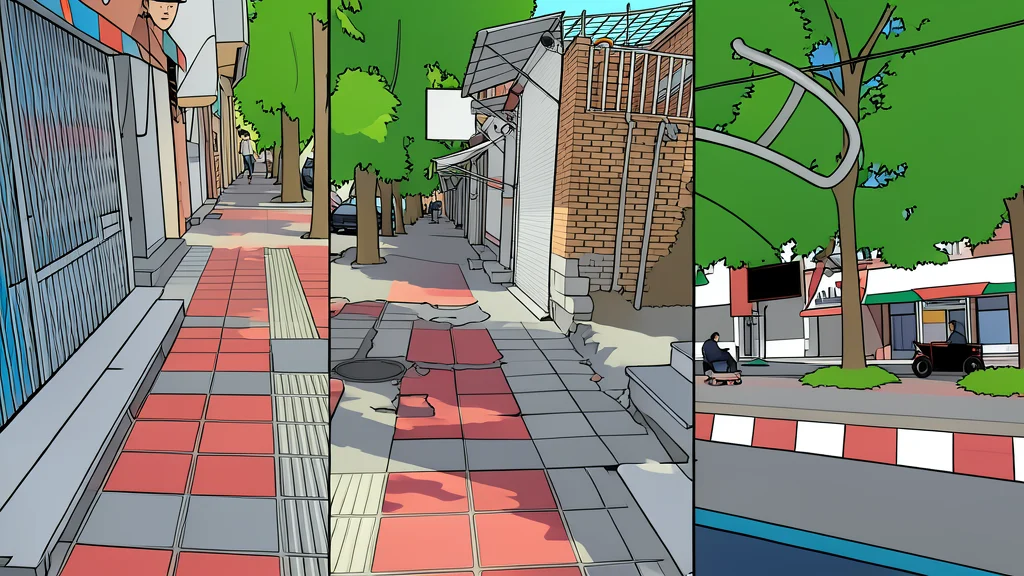
Shopkeepers across Iranian Kurdistan closed their businesses to mark a significant anniversary, defying explicit threats from state security forces.
Commercial activity across several major cities in Iranian Kurdistan came to a standstill as shopkeepers and market traders joined a widespread strike. The action marked the fourth anniversary of the death of Jina Amini and the subsequent "Women, Life, Freedom" movement. According to the Kurdistan Human Rights Network, the closure was observed despite a visible escalation in security measures and direct warnings from authorities.
The initiative was coordinated by the Coalition of Political Forces of Iranian Kurdistan, which issued a call for a one-day shutdown of businesses on September 16. Sources indicate that the strike was implemented in Saqqez, Sanandaj, Mahabad, Bukan, Oshnavieh, Divandarreh, Marivan, Kamyaran, and Qorveh. While participation was described as widespread in the larger urban centers, significant portions of the bazaars in the smaller towns also remained closed, demonstrating a broad regional response to the political call.
Escalated security measures in affected cities
In response to the anticipated unrest, state security agencies placed multiple forces on high alert. Personnel from the Ministry of Intelligence, the Islamic Revolutionary Guard Corps, and the Security Police were deployed across the affected municipalities. Witnesses reported seeing security forces patrolling main thoroughfares in private vehicles, a tactic often used to maintain a low profile while monitoring public movements. This heightened visibility was intended to deter public assembly and enforce compliance with the status quo.
According to reports from local sources, the pressure on merchants was not limited to physical presence. Security agencies reportedly contacted individual shopkeepers and traders by phone the day before the strike, issuing explicit threats to seal their business premises if they participated in the closure. Despite these direct warnings and the risk of losing their livelihoods, the majority of businesses in the listed cities remained shut, indicating a high level of determination among the local economic sector to support the commemoration.
Prisoners join protest through hunger strikes
The solidarity extended beyond the streets and into the detention facilities. Several Kurdish political prisoners, including Zeynab Jalalian, Verisheh Moradi, Sakineh Parvaneh, and Motalleb Ahmadian, initiated hunger strikes in Evin and Yazd prisons. Their actions were taken specifically in support of the street-level strike, linking the struggle of those in detention with the broader public demonstration. This parallel action underscores the deepening alignment between civil society protests and the plight of political detainees in the region.
Forward-looking context for regional stability
As the anniversary concludes, the focus shifts to the potential repercussions of this coordinated economic disruption. The willingness of the business community to risk financial penalties for political expression suggests a sustained level of mobilization within Kurdish society. Observers will likely monitor whether the security forces impose long-term penalties on the striking merchants or if the state adjusts its approach to managing dissent. The intersection of economic pressure and political commemoration continues to shape the dynamics of stability in the region.