Nepali Caregivers in Israel Urge Government to Extend Work Terms
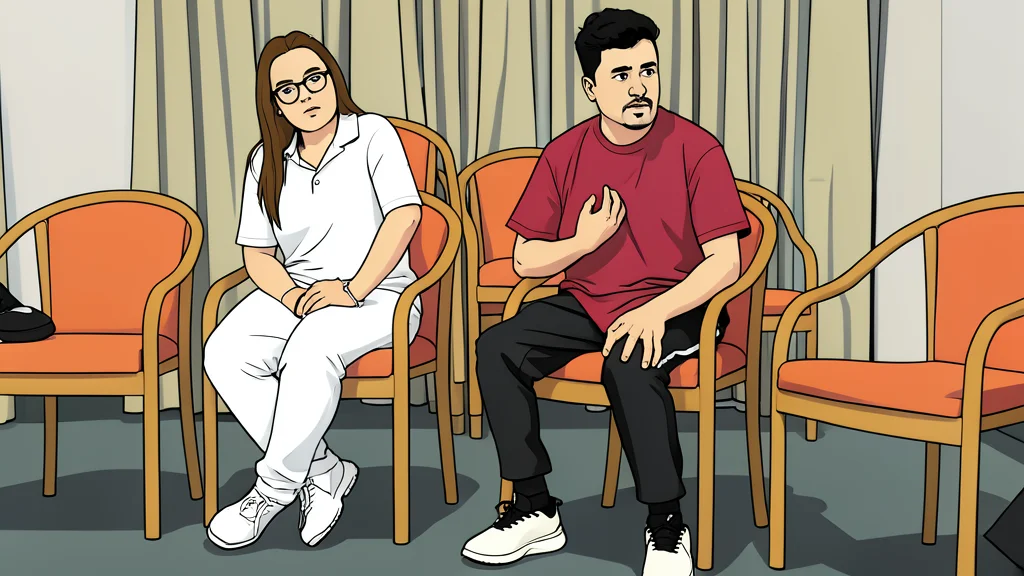
Nepali caregivers in Israel cite financial stability and security, requesting a ten-year residency extension to secure their livelihoods.
Key points
- Nepali caregivers in Israel earn between 250,000 and 300,000 Nepali rupees monthly, significantly exceeding local wages.
- Workers report that robust security systems and immediate shelter access mitigate the risks of regional conflicts.
- Caregivers are requesting a ten-year residency extension to allow sufficient time for language acquisition and financial stability.
Nepali caregivers working in Israel are increasingly advocating for longer residency periods, arguing that the current two-year terms are insufficient to recoup the time and effort invested in learning Hebrew and mastering professional skills. According to reports from ratopati.com, these workers, who provide essential care for the elderly, have highlighted the significant economic disparity between their earnings in Israel and the limited opportunities available in Nepal.
Despite the risks associated with regional conflicts, these caregivers describe the security infrastructure in Israel as robust and reliable. They report that immediate notification systems and accessible shelters allow them to protect both themselves and their vulnerable patients during missile threats, a level of preparedness that has alleviated much of their initial fear.
Caregivers prioritize safety and stability
Saraj Shrestha and Bunu Khadka, two caregivers at an elderly home in Tel Aviv, described the daily reality of working under potential threat. They noted that while the prospect of leaving immobile patients during an attack is daunting, the institutional protocols provide a clear path to safety. The ability to reach reinforced shelters within thirty seconds has become a standard part of their routine, ensuring that care continues without interruption.
The financial incentives remain a primary driver for these workers. Salaries are reported to range between 250,000 and 300,000 Nepali rupees, often supplemented by overtime pay and provided housing. This income level is significantly higher than what is typically available in Nepal, allowing caregivers to support their families and save for the future, a prospect that remains elusive in their home country.
Language barriers shape professional integration
While many caregivers arrive with basic English skills, they emphasize that proficiency in Hebrew is the critical factor for successful integration. Bunu Khadka noted that the first two years are largely consumed by learning the language and adapting to the specific demands of the job. This prolonged learning curve leads to a strong argument that the initial term is too short to allow for full professional maturity before the mandatory return to Nepal.
Calls for extended residency terms
The caregivers have formally requested that the government extend the work permit duration from two years to ten years. They argue that this extension would provide the stability needed to maximize their earnings and professional growth. Without this change, they fear that the majority of their productive years will be spent in a transitional phase rather than in a state of full professional and financial security.
As the situation in Nepal remains economically challenging, these workers express a strong desire to remain in Israel for a longer period. They view the extension not just as a labor policy issue, but as a vital opportunity to secure a better future for themselves and their families before eventually returning home.