Qatar Pledges $38bn Investment Amid Regional Security Crisis
Qatar’s PM warns of geopolitical shockwaves while announcing a major domestic infrastructure fund to signal economic resilience.
Key points
- Qatar’s PM labeled the US-Israel-Iran conflict an earthquake threatening regional security assumptions.
- Doha pledged $38 billion in infrastructure spending to signal economic resilience and attract investors.
- Qatar continues mediation efforts to restart talks between Tehran and Washington during the UN session.
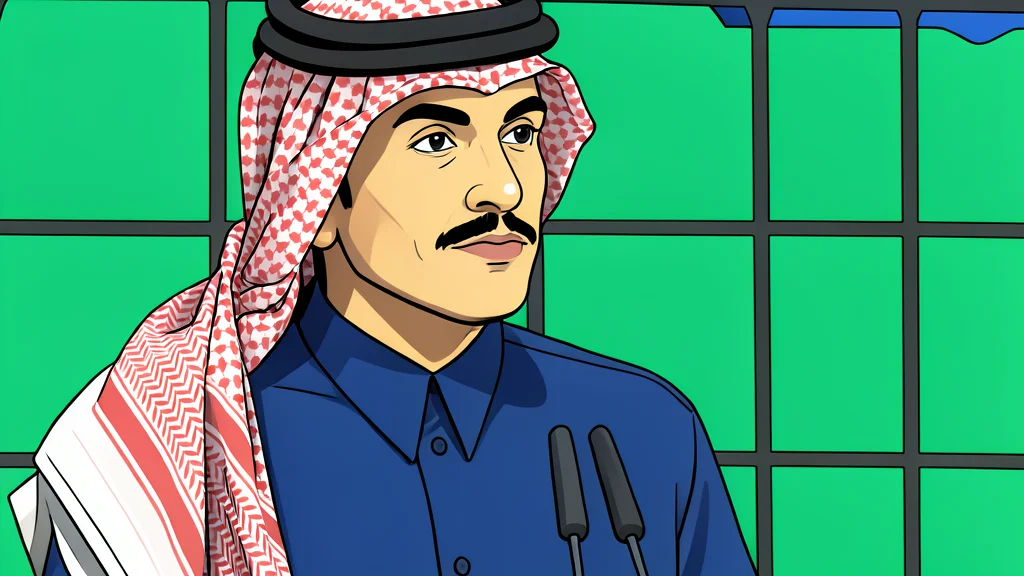
Qatar’s Prime Minister Sheikh Mohammed bin Abdulrahman bin Jassim Al Thani described the recent conflict between the United States, Israel, and Iran as a geopolitical earthquake. Speaking in New York, he argued that the region requires a strict framework that respects national sovereignty to prevent further cycles of escalation and instability.
According to Al Jazeera English, the Prime Minister noted that the economic ripple effects of the war have challenged existing assumptions about security. He emphasized that permanent safety cannot be achieved through arrangements that leave any state permanently exposed to threat or uncertainty.
Economic resilience meets geopolitical tension
Amid these warnings, Doha announced a significant shift in its domestic strategy. The government pledged to spend more than $38 billion on Qatari infrastructure over the next five years. This move is intended to attract private investors and demonstrate the country's economic stability despite the surrounding regional conflicts.
The announcement coincides with the opening of the United Nations General Assembly, where Middle Eastern leaders are expected to address the global ramifications of the war. The Prime Minister suggested that while the crisis has disrupted energy supplies and shipping routes, Qatar’s plans for continued investment remain firm.
Diplomatic mediation continues in New York
Qatar’s Foreign Ministry stated that mediation efforts to restart talks between Tehran and Washington are ongoing. These diplomatic initiatives aim to end the hostilities and restore dialogue. The timing of these statements is significant as Gulf leaders prepare to meet with US President Donald Trump during the UN session.
Focus shifts to future stability
The coming days will test whether diplomatic channels can mitigate the economic and security fallout. Observers are watching closely to see if the proposed investment framework and ongoing mediation efforts can create a stable environment for regional cooperation and global energy security.