Seoul Weighs Hormuz Deployment Amid U.S. Pressure
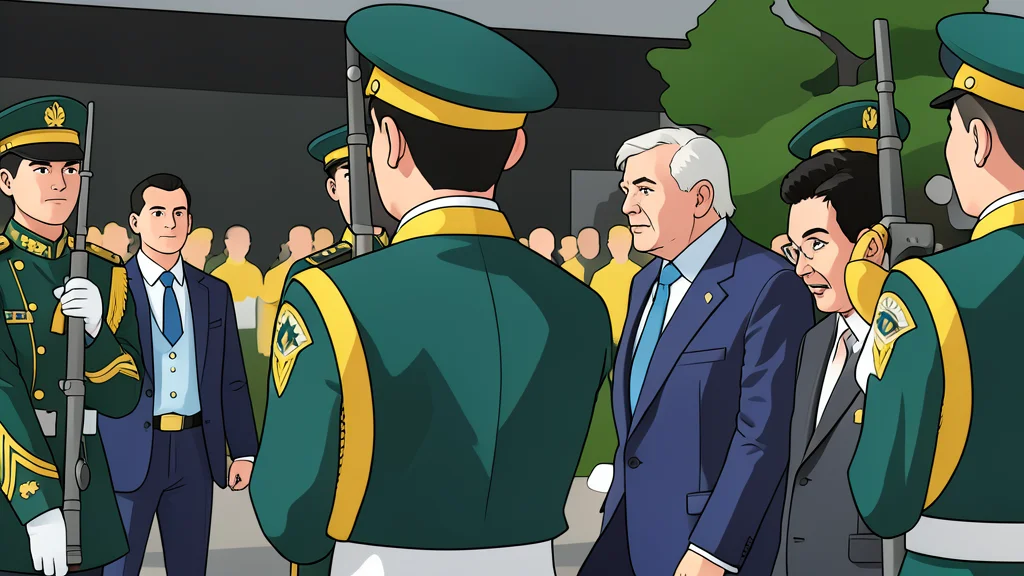
South Korea considers limited naval support for Hormuz traffic while rejecting direct combat roles in the U.S.-Iran conflict.
Key points
- Seoul is assessing limited naval deployments to protect commercial shipping in the Strait of Hormuz.
- President Trump has publicly criticized South Korea for refusing to join the U.S. military campaign against Iran.
- South Korean President Lee Jae-myung has ruled out direct combat involvement but committed to protecting citizens.
Seoul is currently evaluating options to protect its commercial shipping interests in the Strait of Hormuz, a move that has become central to diplomatic tensions with Washington. President Donald Trump has repeatedly criticized South Korea’s refusal to join the U.S. military campaign against Iran, publicly expressing frustration with Seoul’s stance on Truth Social.
In response to the President’s pressure, the South Korean government dispatched an inspection team to the United Arab Emirates to assess operational conditions for a potential deployment. However, President Lee Jae-myung has drawn a clear line, stating that while South Korea will take minimum measures to protect its vessels and citizens, it will not engage in direct war intervention.
Diplomatic Leverage and Domestic Constraints
The current geopolitical landscape offers Seoul significantly less room for maneuver than in previous conflicts. According to The Diplomat, the legal framework for the current confrontation with Iran is less institutionalized than the one that preceded the 2003 Iraq War. Unlike the Iraq conflict, which was supported by a broad coalition of forty-nine countries, the current U.S. campaign lacks similar multilateral backing.
Major allies such as the United Kingdom and France are preparing independent defensive missions for navigation freedom, while NATO has explicitly refused collective military action under Article 5. This isolation of the U.S. effort makes it difficult for Seoul to justify a large-scale troop deployment without strong international consensus or a clear legal mandate from the United Nations Security Council.
Historical Precedent in Middle East Operations
South Korea has a history of supporting U.S. operations in the region, most notably in Iraq between 2003 and 2008. At that time, approximately 4,000 South Korean soldiers were deployed for non-combat missions, including engineering and medical support. That decision was made in a different strategic context, where Washington’s cooperation on North Korean nuclear issues was a primary driver for alliance reinforcement.
Forward Outlook on Regional Security
As Seoul navigates these constraints, the focus remains on balancing alliance obligations with domestic political realities. The next critical step involves whether the government will proceed with the limited naval support measures proposed after the inspection team’s assessment. Observers will watch closely for any formal announcement regarding the scope of South Korea’s involvement in protecting commercial shipping routes in the coming weeks.