South Lebanon’s Displacement Crisis Entrenches as Returnees Face Ruins
Despite a reduction in displaced numbers, humanitarian agencies warn that the return to southern Lebanon is fragile, with infrastructure destroyed and security remains precarious.
More than six months after the intensification of hostilities in Lebanon, the displacement crisis in the south is solidifying into a permanent reality for thousands of families. While the International Organization for Migration reports that the number of internally displaced persons has dropped from a peak of 1.2 million to approximately 330,000, humanitarian workers caution that this decline should not be mistaken for a resolution. The return of many residents to their villages has been driven by necessity and attachment to their land rather than by the restoration of safety or infrastructure.
According to reports from Al Jazeera English, the situation remains highly fluid. Nadine Mazloum of the United Nations Refugee Agency noted that displacement patterns are often reversible due to the persistent threat of renewed attacks. The cycle of leaving and returning has created a state of chronic instability, where households continue to shift locations as conditions on the ground fluctuate, preventing the establishment of durable normalcy.
Fragile Ceasefire and Military Presence
The military landscape in southern Lebanon remains complex following recent escalations. Israel and Hezbollah have been engaged in conflict since late 2023, with tensions spiking again in early 2026. Despite a framework agreement reached in June, which was intended to facilitate Israeli withdrawal from certain zones and the disarmament of Hezbollah by the Lebanese army, the implementation has been partial. Israeli forces currently occupy more than 50 villages, and attacks have continued in various areas, undermining the stability that the ceasefire was meant to provide.
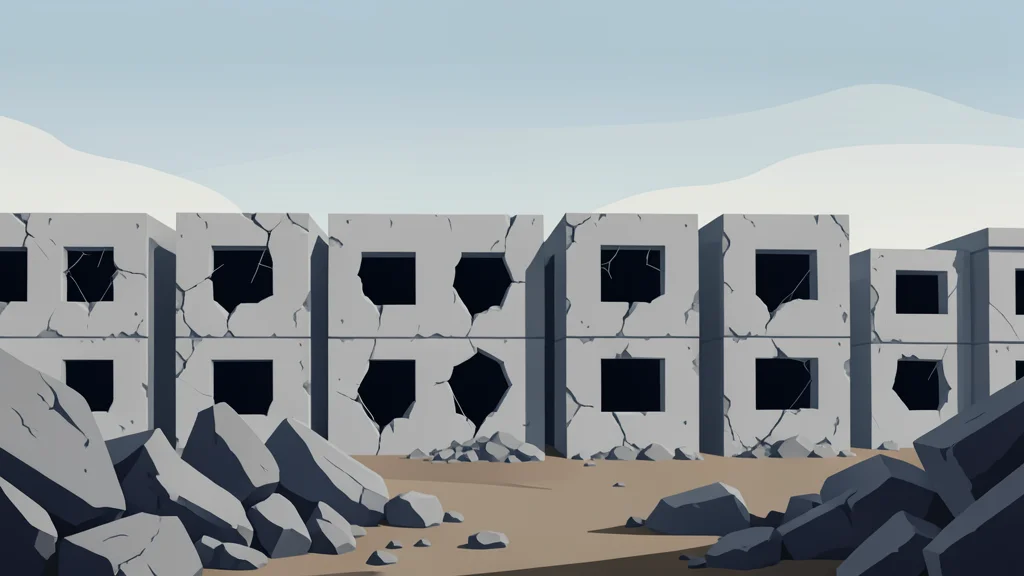
In towns like Froun, which lies within the military zone known as the Yellow Line, the physical damage is extensive. Although the Israeli military has not entered the town since 2024, much of the area lies in rubble from previous air strikes. Residents who have returned are finding themselves in a precarious position, staying in makeshift shelters such as local schools because their homes are uninhabitable. The gap between the political agreements and the physical reality on the ground remains wide.
Erosion of Livelihoods and Coping
The prolonged nature of the displacement is leading to compounding challenges that extend beyond immediate survival needs. Humanitarian officials observe a gradual erosion of coping mechanisms among displaced populations. The loss of livelihoods, combined with the destruction of homes and a lack of security, has created an entrenched situation where many families are unable to rebuild their lives. The psychological toll of repeated displacement and the uncertainty of the future weigh heavily on those who have returned to devastated communities.
Many residents describe their return as an act of defiance rather than a solution. For families like that of Soujoud Ramadan, staying in their villages is a matter of identity and ownership, despite the ruins surrounding them. However, this resilience does not equate to stability. The ongoing cycle of movement and the lack of reliable infrastructure mean that the crisis is not resolving but rather transforming into a long-term condition of vulnerability and uncertainty.
Uncertain Path Forward for Returnees
As the situation evolves, the focus shifts to the sustainability of these returns. The reduction in the total number of displaced people is a significant shift from the peak of the crisis, but it does not signal an end to the humanitarian emergency. With security guarantees remaining elusive and reconstruction efforts stalled, the outlook for southern Lebanon is defined by a persistent limbo. The key question moving forward is whether the framework agreements can translate into tangible security and reconstruction, or if the displacement will remain a permanent feature of life in the region.