Nigeria Seeks Structural Reform in Global Financial Systems

At the BRICS summit in New Delhi, Nigeria has called for a fundamental overhaul of international governance and financial institutions to better reflect the economic realities of the Global South.
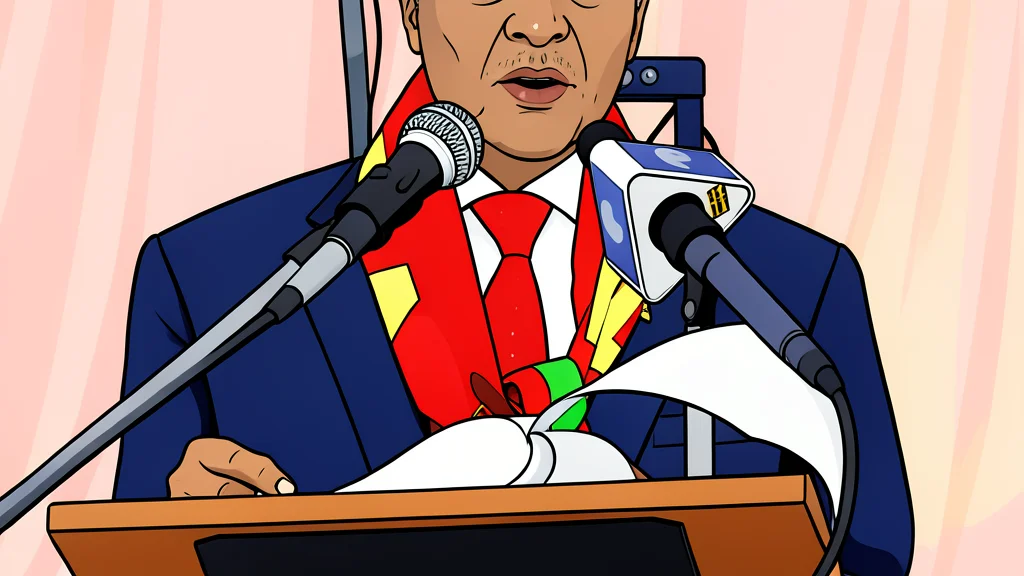
President Bola Tinubu has urged for a comprehensive restructuring of the global governance framework, arguing that current international institutions no longer adequately represent the demographic and economic shifts of the modern world. Speaking at the 18th BRICS Leaders’ Summit in New Delhi, the Nigerian leader emphasized the need for a more equitable system that includes significant reforms to the United Nations Security Council and major global financial bodies. The address, delivered on his behalf by Vice President Kashim Shettima, positioned Nigeria as a strong advocate for a multipolar order that amplifies the voice of developing nations.
The call for change was framed not merely as political rhetoric but as a necessary economic imperative. According to the statement, Nigeria supports a global architecture that is more responsive to the needs of the Global South. The President argued that the transformation championed by BRICS must extend beyond simple economic cooperation to encompass the broader structures of international governance. This stance aligns with a broader push to ensure that decision-making power is distributed more fairly among nations with significant economic weight.
Shifting from dialogue to delivery
Beyond institutional reform, the administration has called for a practical shift in how BRICS operates. Tinubu stressed the importance of moving from high-level dialogue to tangible delivery, urging partners to convert political commitments into measurable development outcomes. The goal is to establish a partnership that focuses on implementation rather than just cooperation, ensuring that agreements lead to concrete economic benefits for member states. This approach aims to bridge the gap between diplomatic language and on-the-ground results.
Nigeria has also positioned itself as a strategic gateway to the African continent, particularly through the African Continental Free Trade Area. The President pitched the country as a resilient investment destination capable of absorbing global shocks while generating sustainable opportunities. By highlighting its youthful population and dynamic economy, Nigeria seeks to attract foreign direct investment in sectors ranging from agriculture to energy. The strategy relies on strengthening macroeconomic stability and diversifying production to create a robust foundation for long-term growth.
Prioritizing technology and intellectual ownership
A central theme of the address was the urgent need for developing nations to master emerging technologies. Tinubu warned that nations which do not own their technology risk renting their future, emphasizing the importance of producing knowledge and retaining intellectual property. He called for deeper cooperation within BRICS in areas such as artificial intelligence, fintech, cybersecurity, and biotechnology. This focus on digital infrastructure and advanced manufacturing reflects a desire to move beyond being mere consumers of global innovation.
The proposed partnerships aim to facilitate technology transfer and local value addition, ensuring that industrial capacity is built within African borders. Initiatives such as Project BRIDGE and national AI programs were cited as examples of efforts to expand broadband access and digital skills. By fostering entrepreneurship and research, Nigeria intends to leverage its human capital to drive an innovation agenda that is both locally relevant and globally competitive. This strategic pivot underscores a commitment to self-reliance in the digital economy.
Watching for implementation signals
The next phase will depend on how quickly these political commitments translate into actionable policies. Observers will be watching for concrete announcements regarding investment frameworks and technology sharing agreements in the coming weeks. The success of this approach will likely hinge on the ability of BRICS members to align their diverse economic interests with the specific infrastructure needs of Nigeria and other African nations.
According to the GN auto geopolitics/global: international summit reports, the focus on measurable outcomes suggests a pragmatic shift in diplomatic strategy. If Nigeria can effectively leverage its position within the BRICS framework to attract substantial capital and technical expertise, it could set a precedent for other emerging economies seeking to reshape their roles in the global financial system. The coming months will reveal whether the summit’s rhetoric yields the promised tangible benefits.