Tehran Condemns Continued Strikes on Lebanese Civilians
Iran’s Human Rights Committee has issued a stern rebuke regarding ongoing military operations in Lebanon, framing the incident as a critical breach of international legal norms and calling for urgent global intervention.
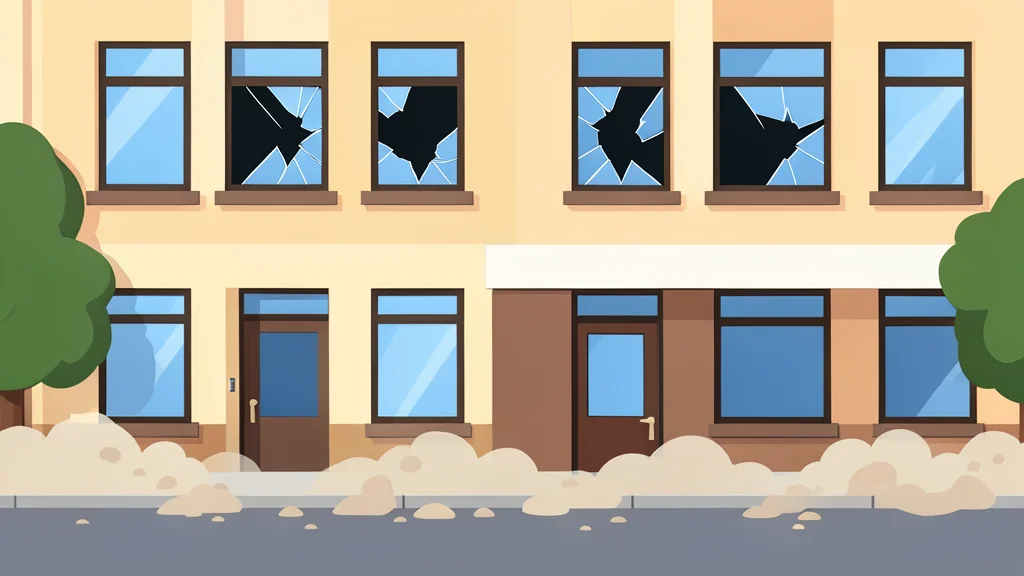
Tehran has intensified its diplomatic rhetoric surrounding the ongoing conflict in Lebanon, with the national Human Rights Committee issuing a statement that characterizes recent military strikes as a fundamental breach of international humanitarian law. The committee emphasized that the continuation of attacks on residential areas, resulting in significant civilian casualties including women and children, stands in direct contradiction to the core principles of armed conflict regulations. This assessment was communicated through the Iranian news agency IRNA, highlighting a deep concern over the scale of human suffering and the perceived failure of global institutions to respond adequately.
According to the committee, the targeting of non-combatants represents not only a violation of the right to life and security but also a challenge to the credibility of the international human rights framework. The statement criticizes what it describes as a dangerous cycle of impunity, arguing that the lack of effective accountability mechanisms has emboldened continued operations. By framing the issue through the lens of universal human rights, Tehran seeks to position itself as a defender of global legal standards while simultaneously isolating perceived double standards in the international community’s response to the crisis.
Legal arguments regarding proportionality
The core of the committee’s critique rests on specific legal tenets of international humanitarian law, particularly the principles of distinction and proportionality. These rules require parties in conflict to distinguish between military objectives and civilian objects, and to ensure that any incidental harm to civilians is not excessive in relation to the military advantage anticipated. The statement asserts that the current operations fail to meet these thresholds, thereby rendering the actions illegitimate under international law. This legal framing is intended to shift the discourse from political grievances to objective legal violations, potentially providing a basis for further international scrutiny or legal proceedings.
Criticism of international inaction
Beyond condemning the military actions, the statement places significant blame on international institutions for their perceived passivity. The committee held the United Nations Security Council and various human rights bodies responsible for failing to implement effective measures to halt the violations. It argued that this inaction has effectively encouraged the continuation of grave breaches and weakened the overall system of international accountability. By highlighting this institutional failure, Tehran aims to undermine the authority of these bodies and rally support for alternative diplomatic or legal strategies that might yield greater leverage in the current geopolitical landscape.
The narrative emphasizes that human rights are universal and should not be subject to geographical or political calculations. The committee urged the Human Rights Council and the High Commissioner to abandon what it termed a selective approach, calling instead for urgent protective measures and rigorous documentation of violations. This call for action seeks to reframe the debate around the inherent value of civilian life, regardless of nationality or political alignment, and to pressure international actors to demonstrate a commitment to these universal principles in practice rather than in rhetoric alone.
Diplomatic implications for regional stability
The timing of this statement, reported by GN geopolitics/rights, underscores the escalating tension in the region and the diplomatic maneuvering underway. By publicly asserting that the rights of Lebanese citizens are being disregarded, Tehran reinforces its stance as a protector of regional interests against external aggression. This rhetoric may serve to solidify alliances with other actors who share similar views on international law and sovereignty, while further straining relations with Western nations that support the current military posture. The statement also signals a potential shift toward more aggressive diplomatic channels, including increased pressure on multilateral forums to address the humanitarian crisis.
Looking ahead, the focus will likely turn to the response from international bodies and the potential for further escalation in the conflict. Observers will watch closely for any new resolutions or investigations initiated by the UN, as well as the reaction from other regional powers who may align with or oppose Tehran’s position. The persistence of civilian casualties remains the central concern, and the effectiveness of any diplomatic efforts to de-escalate the situation will be measured against the tangible impact on the safety and well-being of the Lebanese population in the coming weeks.