Trump Weighs Iran Deal or Military Strike
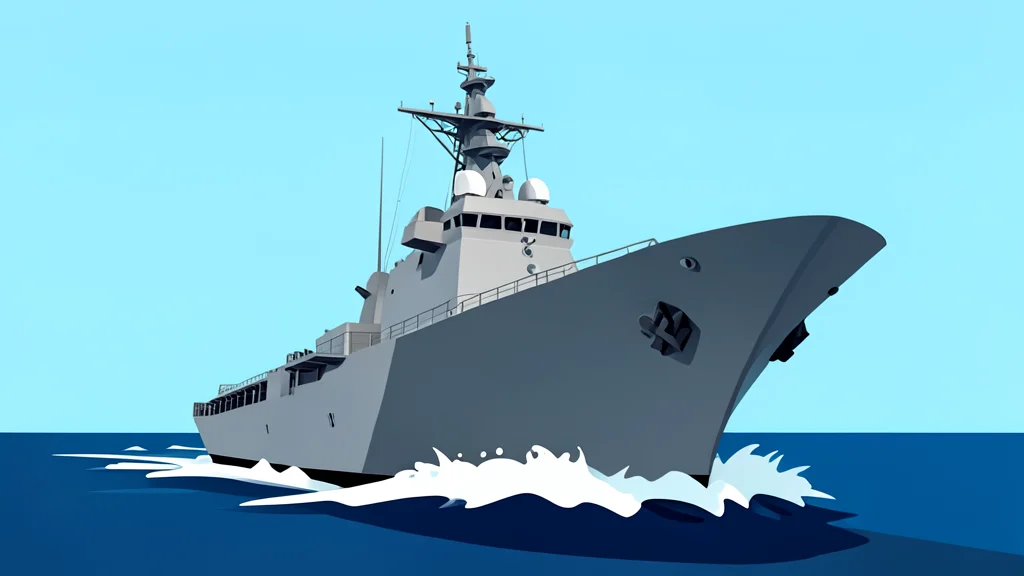
U.S. President Donald Trump signals a decision on Iran is imminent, with regional leaders unable to sway the administration's stance.
Key points
- President Trump says he will soon decide between a deal with Iran or a military attack.
- Middle East leaders have failed to sway the U.S. toward a diplomatic resolution.
- The decision carries significant risks for regional stability and global energy markets.
Washington, September 23, 2026. U.S. President Donald Trump says he will soon decide whether to seek a deal with Iran or launch an attack. This decision comes as regional leaders fail to influence the administration's path forward.
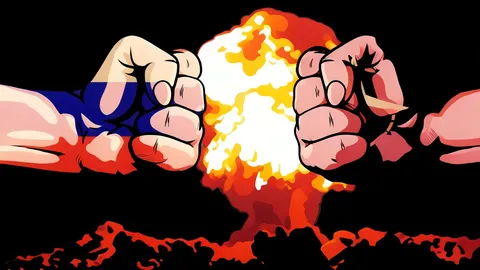
The situation creates a tense standoff involving nuclear ambitions and regional security. Diplomats report that the window for negotiation is narrowing. The outcome will likely reshape the geopolitical landscape of the Middle East.
Diplomatic Efforts Face Obstacles
According to TV7 Israel News, Middle East leaders have struggled to convince President Trump of a diplomatic path. They argue that a negotiated agreement is the only viable option to reduce tensions. However, the U.S. remains skeptical of Iran's intentions regarding its nuclear program.
Renewed contacts between Washington and Tehran have not yielded a breakthrough. The core issue remains Iran's nuclear ambitions and the security of the Persian Gulf. Analysts note that economic pressures continue to weigh heavily on the Iranian government.
Military Options and Strategic Risks
Trump has hinted at the possibility of kinetic strikes if negotiations fail. Such an action could aim to end the current regime or curb its capabilities. Defense experts warn that this path carries significant risks for regional stability and oil supply chains.
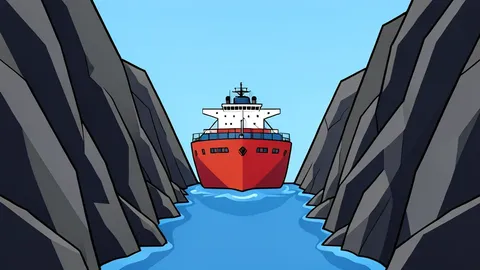
The Strait of Hormuz remains a critical flashpoint. Any escalation could disrupt global energy markets and increase tensions with other regional powers. The U.S. is carefully weighing the consequences of a potential military confrontation.
Regional Dynamics and Future Outlook
The broader Middle East faces mounting diplomatic and security pressure. The UN General Assembly has become a key stage for these discussions. Countries like Israel and Iran are under intense scrutiny from the international community.
Observers are watching for signals of a final decision from Washington. The coming days will be critical for determining the region's trajectory. The balance between diplomacy and force remains the central question for policymakers.