U.S. Grants Visas for Iranian Leaders to Attend UN Assembly Amid Conflict
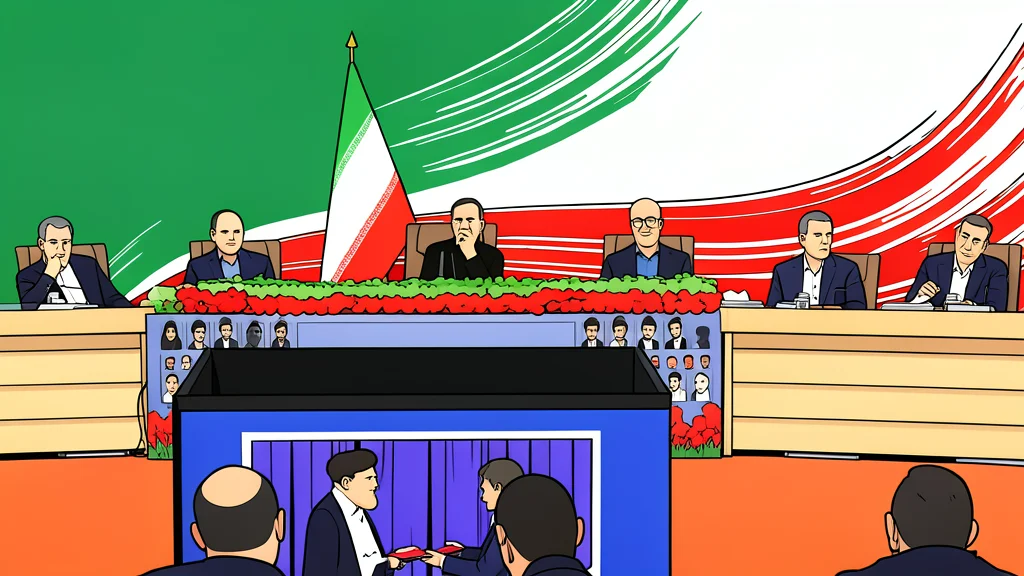
The U.S. State Department has approved travel documents for Iran's top officials to attend the UN General Assembly, a decision made while active hostilities persist and diplomatic channels remain closed.
The Trump administration has authorized visas for a core Iranian delegation, including President Masoud Pezeshkian and Foreign Minister Abbas Araghchi, to participate in next week's high-level United Nations General Assembly meeting in New York. According to U.S. officials speaking on condition of anonymity, this approval comes despite a stalemate in the ongoing conflict between the two nations and a lack of immediate progress toward reopening the Strait of Hormuz or resuming nuclear negotiations.
The decision marks a notable shift in policy, as the United States is generally constrained in its ability to block foreign leaders from attending the UN headquarters. However, it has previously denied visas to or discouraged applications from leaders engaged in active hostilities. This move stands out against the backdrop of escalating regional tensions, including increased attacks by Iranian-backed Houthi rebels on shipping in the Red Sea and U.S. efforts to sever critical financial lifelines for Tehran.
Strict Limits on Delegation Movements
While access to the assembly is granted, the State Department emphasized that the Iranian delegation will operate under significant curbs. Officials noted that the group will face strict travel restrictions within New York City, limiting how far they can move from their UN mission. Additionally, consistent with host country policies, the delegation is prohibited from purchasing luxury goods and is barred from shopping at wholesale membership stores such as Costco and Sam's Club.
The State Department described the delegation as smaller than the group permitted to attend last year’s meetings, which took place before the current war began but after the 2025 strikes on Iranian nuclear facilities. The department stated that these measures are consistent with host country obligations while maintaining security and policy standards.
Context of Regional Escalation
The visa approval occurs during a period of heightened geopolitical tension. The United States continues to designate Iran as a leading state sponsor of terrorism and has recently launched a campaign aimed at disrupting its financial networks. Meanwhile, regional dynamics have intensified, with Houthi forces in Yemen increasing attacks on Saudi infrastructure and Red Sea shipping, contributing to a surge in global oil prices.
This decision was announced just one day after the State Department denied visas to Palestinian President Mahmoud Abbas and his delegation for the same UN event. The juxtaposition of these two decisions highlights the complex and selective nature of U.S. diplomatic engagement during times of active conflict and regional instability.
Diplomatic Signals and Future Outlook
According to the GN auto geopolitics/middle-east: Iran nuclear source, the move may be interpreted as a signal of continued engagement through multilateral forums despite bilateral hostilities. By allowing the core delegation to attend, the U.S. maintains a channel for potential indirect communication while enforcing strict security protocols.
Observers will now watch for any back-channel communications between Washington and Tehran during the General Assembly week. The primary question remains whether this limited engagement will lead to any de-escalation measures or if the stalemate will persist, with the UN serving merely as a stage for parallel diplomatic posturing rather than substantive negotiation.