US Moves to Sell F-35s to Saudi Arabia Amid Regional Tensions
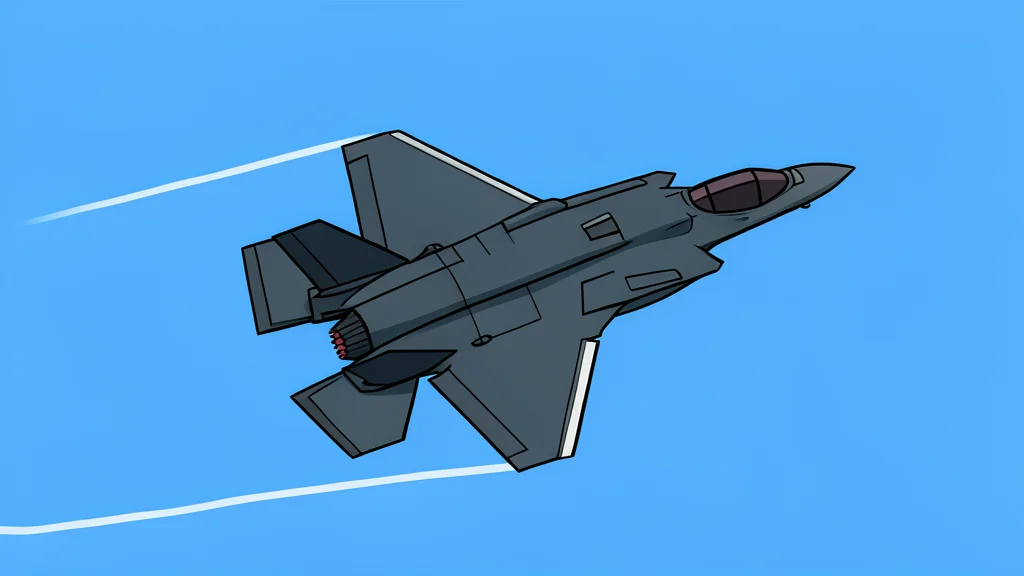
The Trump administration has notified Congress of a proposed $24.3 billion sale of 48 F-35 fighter jets to Saudi Arabia, a move that intersects with ongoing regional conflicts and diplomatic complexities.
The United States government has formally requested congressional approval for the sale of 48 F-35 Lightning II fighter jets to Saudi Arabia, a transaction valued at an estimated $24.3 billion. According to a statement released by the State Department, this proposed transfer is intended to support U.S. foreign policy objectives by enhancing the security of a key non-NATO ally in the Gulf. The administration asserts that the sale will improve regional stability and economic progress without disrupting the existing military balance.
The announcement arrives at a delicate moment in Gulf geopolitics, specifically as Saudi Arabia continues its military campaign against the Houthi movement in Yemen. Riyadh has been seeking closer security cooperation with Washington in the face of intensifying hostilities. However, the timing of the deal also coincides with rising tensions between Saudi forces and the Iran-backed Houthis, who have recently claimed significant successes in engaging Saudi air assets.
Houthi Claims Challenge Saudi Air Dominance
Contextualizing the arms transfer, Al Jazeera English notes that the Houthi group claimed on Wednesday to have shot down a Saudi F-15 fighter jet over the city of Marib using a locally manufactured surface-to-air missile. The group released video footage of fighters standing before burning wreckage bearing Saudi markings. If verified, this incident would represent a significant shift in the conflict, suggesting that the Houthis have acquired capabilities that previously allowed Saudi Arabia to maintain relative air superiority in the region.
Despite these claims, the U.S. administration maintains that the transfer of fifth-generation stealth technology will not alter the broader military equilibrium in the Middle East. This assurance is consistent with longstanding U.S. policy requiring that Israel retain a qualitative military edge over potential regional adversaries. The administration argues that the sale reinforces the security architecture of the Gulf while adhering to these strategic constraints.
Concerns Over Technology Proliferation and Espionage
Opposition to the deal has emerged from within the U.S. Congress, driven largely by fears regarding technology leakage. According to reports from The New York Times, intelligence analysts have raised concerns that Beijing could potentially acquire sensitive F-35 data through its existing partnerships with Riyadh. Representative Raja Krishnamoorthi, a member of the House Intelligence Committee, voiced strong objection, arguing that the sale should be halted when intelligence warnings suggest that critical American military technology could fall into the hands of the Chinese Communist Party.
Shifting Alliances and Regional Dynamics
The proposal also sits against a backdrop of evolving defense partnerships in the region. Last month, Saudi Arabia signed a mutual defense agreement with Pakistan and Turkiye, a move interpreted as an effort to diversify its security architecture and reduce reliance on Washington. Additionally, Israel, the only current user of the F-35 in the region, has expressed reservations about the sale despite ongoing normalization talks with Riyadh. These diplomatic frictions complicate the legislative process, as lawmakers weigh the strategic benefits of the sale against the risks of destabilizing established regional security arrangements.
As the bill moves through the legislative process, observers will watch closely for any conditions attached to the approval, particularly those related to cybersecurity and data protection. The outcome will likely serve as a significant indicator of how the U.S. navigates its security commitments in the Gulf amid competing regional interests and great power competition. The coming weeks will reveal whether Congress prioritizes the deepening of ties with Riyadh or heeds the cautionary voices regarding technology proliferation.