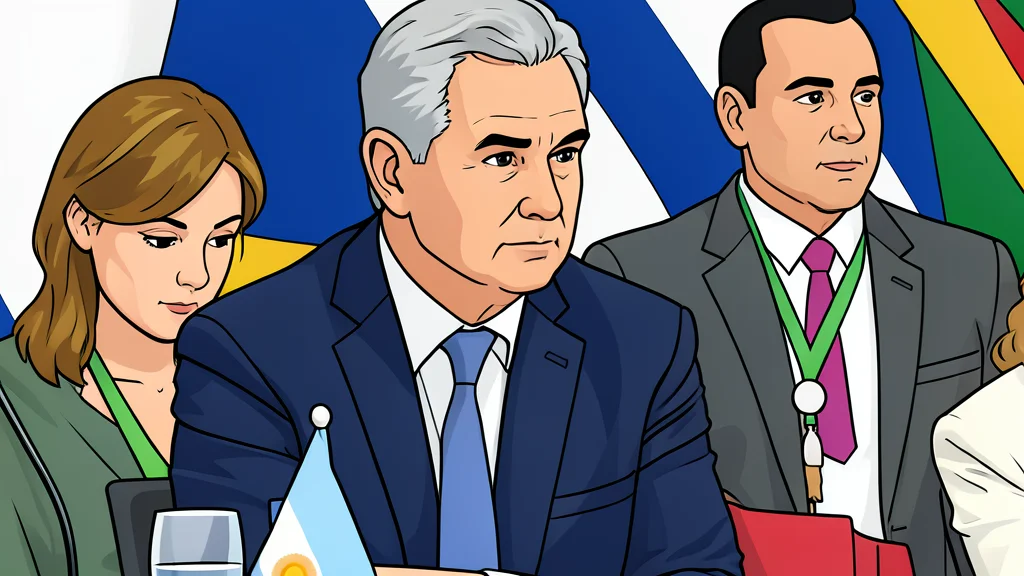
UN Chief Urges Global Action on Sudan Crisis

United Nations Secretary-General Antonio Guterres has described the humanitarian situation in Sudan as intolerable, demanding that nations supplying weapons to warring factions be held accountable for the devastating impact on civilians.
In a stark address prior to the upcoming UN General Assembly in New York, Secretary-General Antonio Guterres characterized the current state of affairs in Sudan as "absolutely horrible." He emphasized that while the warring parties bear primary responsibility, the role of foreign powers in fueling the conflict cannot be ignored. According to Guterres, the suffering of the Sudanese people has reached a level that is simply intolerable, prompting a call for international scrutiny of those providing military support to the factions involved.
The UN chief specifically targeted countries that supply weapons which are subsequently used to attack civilian populations. He argued that such interference demands accountability, noting that the humanitarian crisis is devastating and requires immediate attention from the global community. This statement marks a significant escalation in diplomatic language, moving beyond general concern to a direct critique of external state actors who may be exacerbating the violence.
Washington Supports Civilian Transition
Aligning with the urgency expressed by the UN, US President Donald Trump’s senior adviser on Arab and Middle Eastern affairs, Massad Boulos, stated that there is no political future for the two generals leading the conflict. According to Boulos, Washington is firmly behind a rapid and seamless transition to civilian rule, explicitly excluding the current military leaders from any future governance role. The US administration views this path as the only viable option for stabilizing the region.
Boulos emphasized that addressing the humanitarian crisis remains a top priority for the United States. He noted that the administration has been clear in its stance, supporting a track that moves away from the existing power structures held by the warring generals. This diplomatic push suggests a coordinated international effort to pressure the conflict parties toward a political resolution that prioritizes civilian control and immediate relief efforts.
Broader Geopolitical and AI Concerns
Beyond the immediate crisis in Sudan, Guterres addressed the growing global concern regarding artificial intelligence safety. He warned against a "race to the bottom" in AI regulations, arguing that national measures alone are insufficient to protect citizens from potential threats. According to the UN chief, AI risks do not stop at borders, and isolated or voluntary pauses by individual nations will not address the systemic challenges posed by rapidly evolving technology.
Guterres called for international guardrails that ensure AI systems are safe, transparent, and accountable, with human dignity at the center of development. He acknowledged that geopolitical divisions could complicate these efforts but stressed that international coordination is essential. The UN chief plans to make AI a major subject in his meetings with world leaders, highlighting the need for a unified approach to managing technological risks that transcend national jurisdictions.
Regional Stability and Settlement Issues
The Secretary-General also expressed deep concern over the situation in the West Bank and Gaza, citing continued strikes and growing settlement activity. He described the current peace plan as unacceptable in its present form, noting that civilians in Gaza continue to face serious threats. According to Guterres, the "creeping annexation" of the West Bank, driven by settler violence, is absolutely intolerable and poses a significant threat to regional stability.
He specifically warned that the completion of the E1 settlement project could split the territory, a move he deemed entirely against international law. Guterres urged that actions leading to ethnic cleansing must stop and that conditions must be created to place a two-state solution seriously on the table. These statements reflect a broader diplomatic effort to hold all parties accountable to international norms and to push for a comprehensive peace framework in the Middle East.