Rutte Visits UK to Outline NATO's Evolving Strategic Role
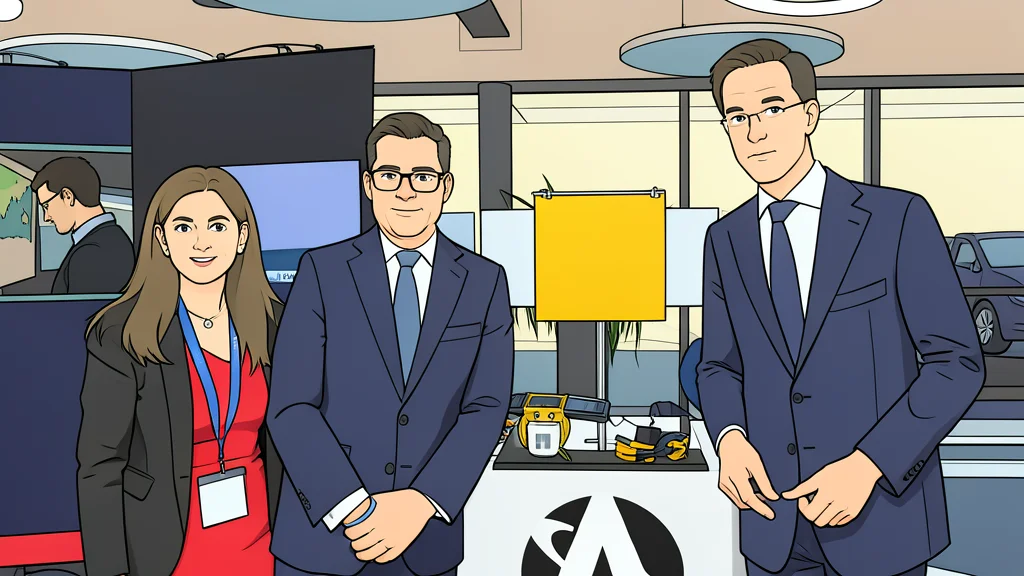
NATO Secretary General Mark Rutte visited the United Kingdom to discuss defense innovation and the alliance's future direction, framing a new era of European-led security responsibilities.
NATO Secretary General Mark Rutte traveled to the United Kingdom on Wednesday, 16 September 2026, for a high-profile visit that included meetings with Prime Minister Andy Burnham. The itinerary focused heavily on the intersection of scientific innovation and national defense, highlighting the alliance's growing interest in how technology drives both security and economic stability.
According to reports from GN geopolitics/nato, the visit served as a platform for Rutte to articulate a shifting strategic posture. By engaging directly with the UK leadership and visiting key research facilities, the Secretary General emphasized the importance of a robust defense industrial base. This move underscores a broader trend within the alliance to rely more heavily on European capabilities in an increasingly complex geopolitical landscape.
Defending the Economic Dividend
The two leaders toured the Harwell Science and Innovation campus in Didcot, where they engaged with representatives from the defense sector, apprentices, and staff. During this visit, Rutte underscored the concept of a 'societal dividend' resulting from defense investment. He argued that such spending does not merely serve military purposes but also generates jobs and stimulates broader economic growth, a narrative intended to bolster public support for increased defense budgets.
The Secretary General expressed appreciation for the United Kingdom’s contributions, specifically citing its innovative technologies, strong defense industry, and world-class universities. He thanked the UK for its role as a leading force within NATO, positioning the country as a critical partner in maintaining the alliance's technological edge. This recognition highlights the mutual reliance between the UK and NATO on cutting-edge research to address modern security challenges.
Concept of NATO 3.0
Later in the day, Rutte delivered the Annual Lecture at The Ditchley Foundation in Oxfordshire. In his address, he introduced the idea of 'NATO 3.0,' describing the alliance as becoming more European while remaining transatlantic. According to his remarks, this new phase involves Europe and Canada taking on greater responsibilities by spending more, producing more, and doing more for their own security.
This framing suggests a significant evolution in how the alliance approaches burden-sharing and strategic autonomy. Rutte’s language indicates a desire to see European nations move from passive reliance to active leadership in defense matters. By emphasizing production and spending, he is pushing for a more self-sufficient European defense sector that can operate effectively alongside its transatlantic partners.
Response to Russian Aggression
The Secretary General also addressed the ongoing tensions with Russia, commending the UK for leading the pushback against what he described as a dangerous and reckless campaign. He stressed that NATO will not be intimidated by hostile actions and that such behavior will only lead the alliance to do more for Ukraine. This statement reinforces the collective commitment to supporting Kyiv while maintaining a defensive posture against further aggression.
The emphasis on a unified response to Russian actions serves to reassure allies and deter further escalation. By linking the UK's leadership directly to the alliance's broader strategy, Rutte highlights the importance of cohesive action among member states. The forward question remains how this rhetoric translates into concrete policy shifts, particularly regarding defense spending targets and the integration of European defense industries. Observers will likely watch for subsequent announcements on joint procurement and research initiatives that reflect this new strategic direction.