UN Mission Accuses Iran of Crimes Against Humanity, US of War Crimes
Geneva panel finds systematic repression in Iran and classifies US strike on primary school as war crime.
Key points
- UN mission finds Iran responsible for crimes against humanity during January protest suppression.
- Panel classifies US strike on Minab primary school as war crime, citing lack of military objective.
- Iran rejects findings, citing foreign manipulation, while US denies targeting civilian sites.
The United Nations fact-finding mission on Iran concluded that the Islamic Republic committed crimes against humanity during the suppression of nationwide protests in January. In a report delivered to the Human Rights Council in Geneva, the independent panel detailed widespread violations including unlawful killings, torture, and enforced disappearances.
Simultaneously, the mission determined that two US strikes on civilian sites in February constituted war crimes. This dual finding marks a significant escalation in international legal scrutiny, placing both Tehran and Washington under severe condemnation for actions taken during the recent period of unrest and military conflict.
Systematic Repression in January Protests
According to the mission chair, Sara Hossain, the government’s response to demonstrations that began in late December amounted to a widespread and systematic attack on civilians. The panel cited mass arrests, severe restrictions on freedom of expression, and the use of the death penalty as key indicators of the regime's intent to crush dissent through force.
While the Iranian government reported 3,038 deaths, the mission stated that independent verification is difficult due to communications blackouts. However, classified documents and medical reports reviewed by Iran International suggest the toll may be significantly higher, with some estimates indicating thousands of casualties in the first days of the crackdown alone.
US Strike on Civilian School
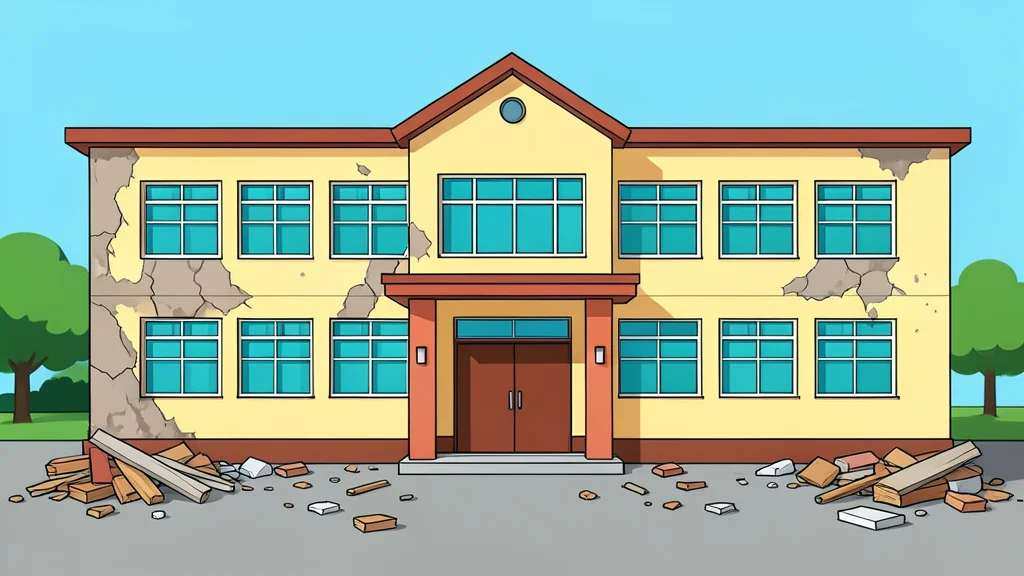
The panel also examined a US military operation on February 28, specifically a strike on the Shajareh Tayyebeh Primary School in Hormozgan Province. Investigators found that two cruise missiles hit the building, killing 157 people, including 123 students, in what the mission described as a readily identifiable civilian target.
Although the school was adjacent to a naval complex, the mission found no evidence that the building itself was being used for military purposes. The panel concluded that the United States failed to adequately establish the site as a military objective, a failure that meets the criteria for the war crime of attacking civilian objects.
Diplomatic Rejection and Escalation
Iranian authorities firmly rejected the findings, with Ambassador Ali Bahreini arguing that the report ignored the context of foreign interference and economic pressure. Tehran described the unrest as manipulated by external actors and accused the mission of bias, while also asserting that its own actions were defensive.
The conflict has further complicated the humanitarian situation, with the mission noting that the ongoing war has been used as a pretext to intensify domestic repression. As the situation remains volatile, observers will closely watch for further legal proceedings and potential diplomatic responses from both the US and Iran in the coming weeks.