US Iran Tensions Rise as Tanker Struck in Hormuz
President Trump is reportedly considering a significant escalation against Iran, while a former counterterrorism chief urges a diplomatic exit. The situation was complicated on Thursday by reports of a tanker strike in the Strait of Hormuz.
President Donald Trump indicated on Thursday that he is facing a major decision regarding the potential for renewed military action against Iran. In an interview with Axios, the President stated that the United States might consider targeting senior Iranian officials, describing the situation as volatile and open-ended. These remarks come as the administration prepares to engage with regional leaders from Saudi Arabia, Qatar, and the United Arab Emirates in the coming week. The White House has not yet issued an official response to inquiries regarding these comments.
Former counterterrorism chief Joe Kent has publicly urged the President to de-escalate the situation by withdrawing U.S. military assets from the region. Kent argued that the United States should utilize economic leverage, such as sanctions relief and asset unfreezing, to secure the reopening of the Strait of Hormuz. He emphasized that there is no military solution to the current standoff and warned that waiting for a catastrophic incident would be a strategic error. Kent also called for restraining Israeli actions and refocusing American priorities on domestic issues.
Iranian Forces Strike Tanker in Strait
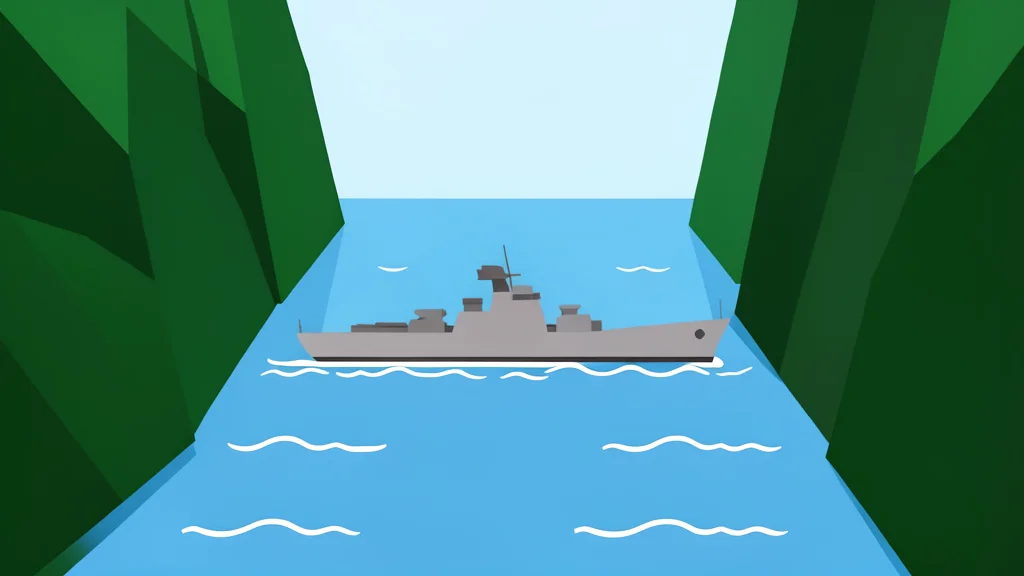
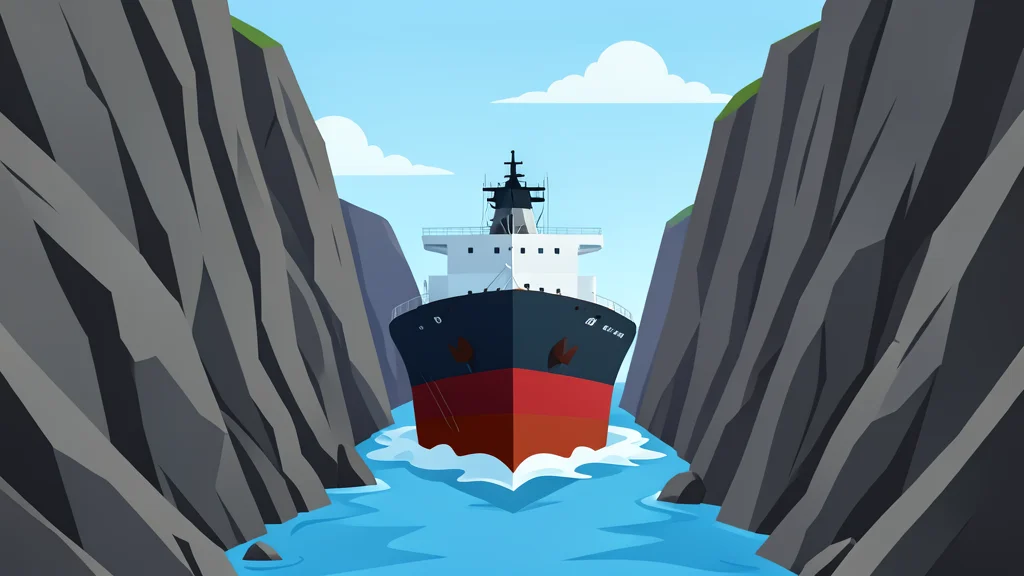
Tensions escalated sharply following reports that a commercial tanker was struck in the Strait of Hormuz. The United Kingdom Maritime Trade Operations Center confirmed that a vessel was hit over 18 miles off the coast of Khasab, Oman, although it noted that the crew was safe and no environmental damage had been confirmed at the time of the report. The Islamic Revolutionary Guard Corps later claimed responsibility for the attack, stating that they had struck and detained a Togo-flagged tanker named Trend.
According to reports from Al Jazeera, the IRGC alleged that the vessel was incited by the United States and asserted that Iran remains in control of the waterway. However, the specific vessel was not independently identified in the initial UKMTO report. This incident underscores the fragility of shipping lanes in the region and raises concerns about the potential for accidental or deliberate escalation between state and non-state actors in the Persian Gulf.
Energy Markets React to Escalation
Global energy markets responded to the heightened geopolitical risk, with crude oil prices experiencing volatility. West Texas Intermediate futures slipped slightly to $101.00, while Brent crude contracts fell to $103.59 during trading hours. Despite the brief dip in futures, the broader trend in fuel costs remains upward. According to data from the American Automobile Association, the national average price for gasoline reached $4.44 per gallon, while diesel prices approached $6.40 per gallon.
The movement of oil and gas through the Strait of Hormuz remains a critical concern for global supply chains. The potential for further disruption could lead to sustained pressure on energy prices, impacting inflation and consumer spending. Analysts suggest that the market is closely watching for any signs of diplomatic progress or further military incidents that could disrupt the flow of hydrocarbons from the region.
Diplomatic Options and Regional Constraints
The debate over the best course of action highlights a significant divide in U.S. strategic thinking. While the President has floated the possibility of aggressive military measures, former security officials argue that economic pressure and diplomatic engagement are more effective tools. The upcoming meetings with Gulf states are seen as a critical opportunity to gauge regional support for a diplomatic track. The outcome of these discussions will likely determine whether the U.S. pursues a path of containment or further engagement.
The situation remains fluid, with the Strait of Hormuz serving as a focal point for both military and economic strategy. The interplay between U.S. policy, Iranian responses, and regional dynamics will shape the trajectory of the conflict in the coming weeks. Stakeholders are advised to monitor official statements from the White House and Iranian authorities, as well as updates from maritime security organizations, for the latest developments.