South Korea Resists US Pressure on Iran Deployment
Seoul has explicitly ruled out sending troops to the Middle East for combat roles, maintaining a careful distance from Washington's escalation in Iran while navigating complex trade negotiations and regional security concerns.
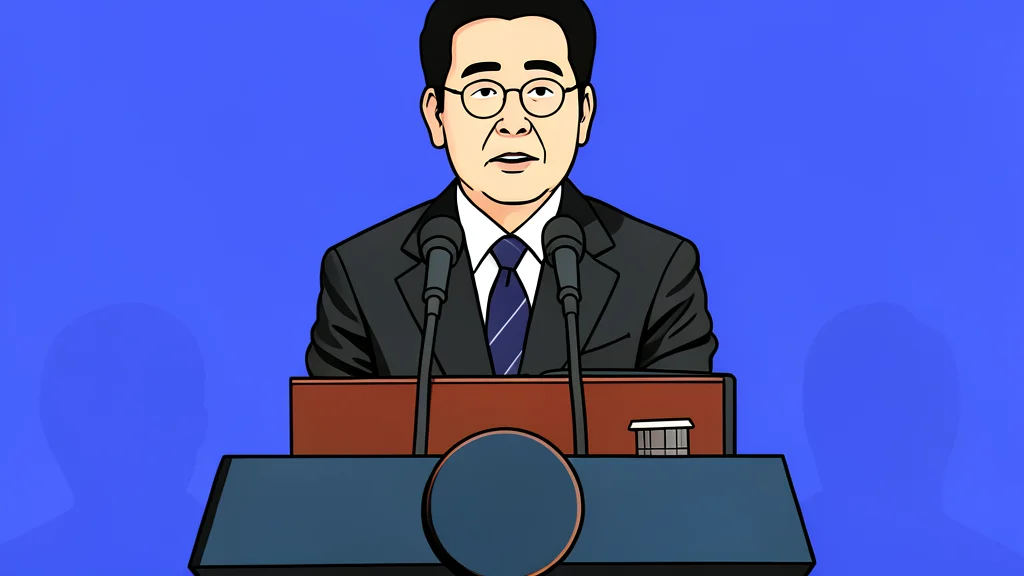
South Korean President Lee Jae Myung has firmly stated that his country will not deploy military assets to the Middle East in a manner that could lead to direct conflict, effectively defying calls from President Donald Trump to support the United States' military operations against Iran. Speaking at a press conference on Friday, Lee emphasized that while Seoul remains committed to its alliance with Washington, it will not participate in combat deployments that risk drawing the nation into a war.
This decision marks a significant point of tension between the two allies, particularly as Trump has publicly criticized Seoul for what he described as insufficient support. The US President recently scaled back major joint military exercises with South Korea this summer, a move that has caused considerable unease within the South Korean government and military leadership. According to the reporting from GN auto geopolitics/asia-pacific: Korea Strait, this diplomatic friction is occurring against a backdrop of intense negotiations over trade and investment commitments.
Navigating Military and Diplomatic Boundaries
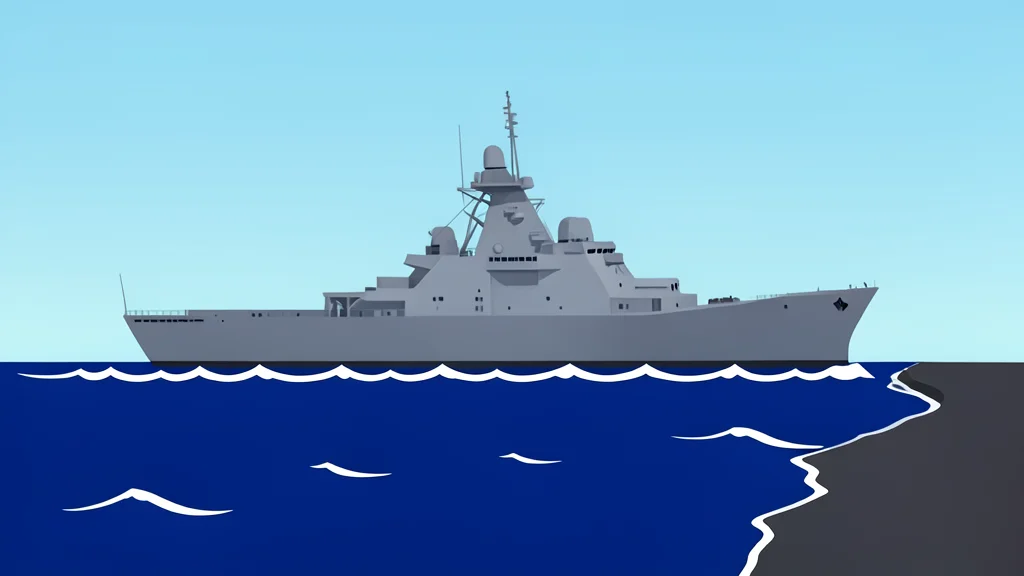
While ruling out combat roles, President Lee indicated that Seoul is reviewing options to contribute to the safety of commercial navigation in the region. South Korea already maintains a naval presence off the coast of Somalia as part of an anti-piracy mission, and Lee stated that the country must take minimum necessary steps to protect its commercial shipping and crude oil shipments. This approach allows Seoul to support international security interests without engaging in the direct hostilities of the conflict in Iran.
The domestic political climate in South Korea also plays a crucial role in this decision. Reports indicate that any proposal for military deployment to the Strait of Hormuz has proven unpopular among the South Korean public. Consequently, the government is proceeding with caution, prioritizing the safety of its citizens and economic interests over broader geopolitical commitments that could expose the nation to significant risk.
Trade Deal Complicates Alliance Dynamics
The military standoff is intertwined with ongoing economic negotiations. Last year, South Korea committed to investing $350 billion in US manufacturing in exchange for Washington lowering tariffs on Korean imports to 15%. However, President Lee noted that concerns over the commercial viability of these packages remain a sticking point. Seoul has postponed a parliamentary briefing on these investment plans, which is now expected to take place next week, suggesting that the economic and military discussions are deeply interconnected.
Potential for North-South Dialogue
Amidst the regional tensions, President Lee also addressed the possibility of a meeting between President Trump and North Korean leader Kim Jong-un. While acknowledging that many factors need to align for such a dialogue to occur, Lee stated that both parties have expressed interest in talks. He confirmed that South Korea is continuing to coordinate with Washington to make such a dialogue possible, although North Korean state media has remained largely silent on the repeated calls for a summit.