US Raises Saudi Travel Alert Amidst Regional Tensions
Washington has issued a heightened travel warning for Saudi Arabia, citing risks from Iranian drone attacks and Houthi activity near the Yemen border.
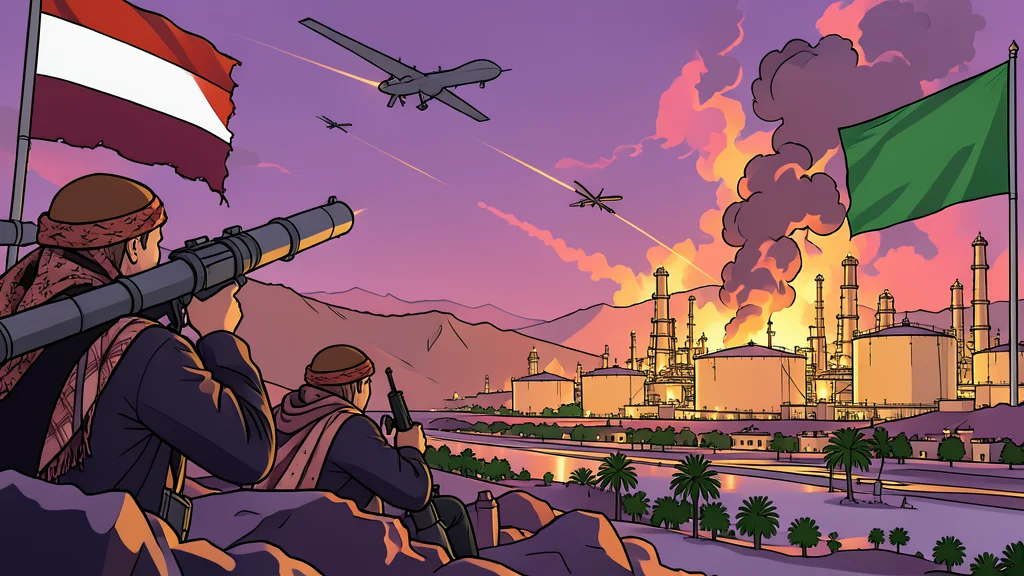
The United States Embassy in Riyadh has issued a Level 3 travel advisory for its citizens, urging them to reconsider their plans due to the heightened risk of Iranian drone and missile targeting. According to the advisory, the decision reflects concerns over armed conflict, terrorism, and local restrictions on social media activity. This escalation comes as regional tensions intensify, with specific warnings issued against travel near the Yemeni border due to persistent threats from Houthi rebels.
The advisory follows recent incidents in which Saudi Arabia claimed to have intercepted a Houthi drone near Mecca, an area the kingdom has designated as a strict red line. While the Houthis have denied responsibility for attacks on the holy city, Washington warns that falling debris from such projectiles poses a significant danger. The US government has also noted that family members of diplomats are now permitted to join government employees in the region, signaling a shift in personnel policy amidst the volatile security environment.
Pipeline Vulnerabilities in Eastern Region
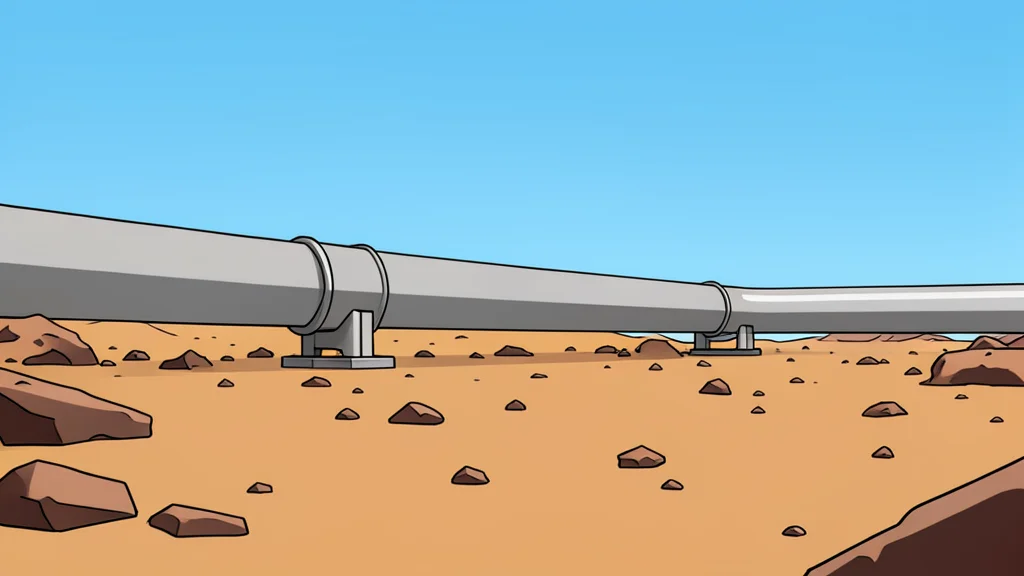
Energy infrastructure remains a focal point of concern as a major crude oil pipeline in Saudi Arabia has been offline for several weeks. This disruption is linked to continued attacks by Yemen-based Houthi rebels on Riyadh’s infrastructure and shipping lanes in the Red Sea. The East-West pipeline, which transports crude from the eastern oil-producing region to the Red Sea port of Yanbu, is critical for allowing exports to bypass the Strait of Hormuz. Its shutdown underscores the fragility of energy supply chains in the face of sustained regional hostilities.
As oil prices remain above $100 a barrel, the strategic importance of alternative export routes has become increasingly apparent. Iran’s continued attacks on vessels in the Strait of Hormuz further complicate the picture, forcing nations to rely on overland transport and Red Sea terminals. The US Embassy specifically highlighted that citizens living or working near energy infrastructure and military bases face increased risks, particularly in areas closer to the Yemeni border, where the level of threat has been elevated to Level 4.
Diplomatic Channels Remain Active
Despite the military tensions, diplomatic engagement continues between Washington and regional actors. President Donald Trump stated that Houthi leaders have contacted US officials to express a desire to avoid direct conflict with the United States, suggesting that the rebels may be focusing their efforts primarily on Saudi Arabia. Vice President JD Vance confirmed that the US has been in constant contact with Riyadh and engaged in direct conversations with the Houthis. These communications indicate an ongoing effort to manage the crisis through dialogue even as kinetic threats persist.
The situation highlights the complex interplay between regional proxies and great power dynamics. As the US balances its support for Saudi Arabia with efforts to de-escalate broader conflicts involving Iran, the travel advisory serves as a practical warning for individuals in the region. Observers note that while direct US-Houthi dialogue offers a potential path to stability, the risk of miscalculation remains high. The coming weeks will likely test the durability of these diplomatic channels against the backdrop of continued military posturing and infrastructure attacks.