US Sanctions Target Iranian Airlines with New Pressure
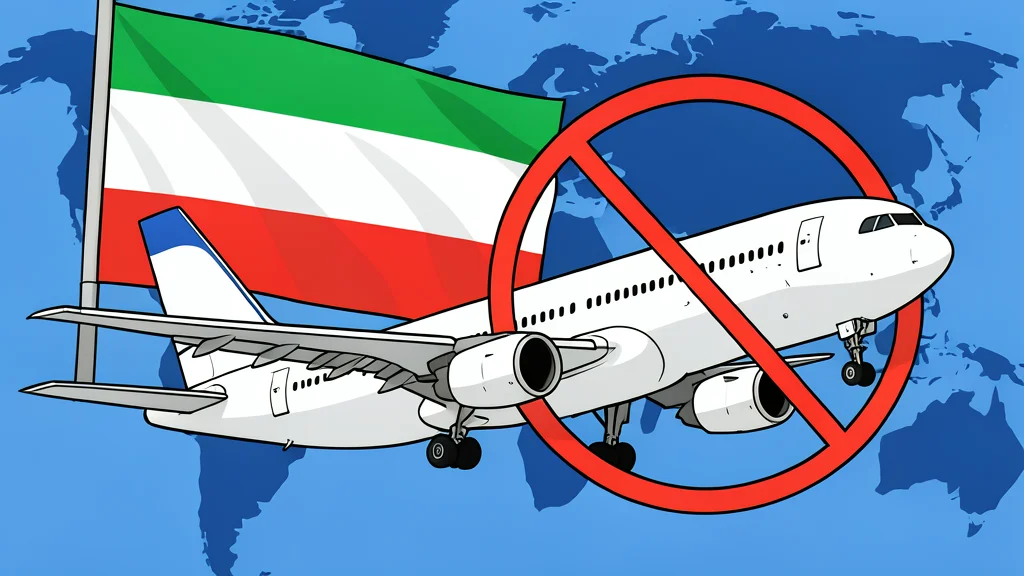
Washington aims to raise costs for Iranian carriers. Yet full isolation remains unlikely due to foreign flights.
Key points
- US sanctions raise costs for Iranian airlines by limiting parts and services access.
- Foreign carriers can replace lost capacity, preventing total aviation isolation.
- Passengers may switch to road or rail, increasing travel costs overall.
The United States has applied new pressure on Iran's aviation sector. This move targets airlines operating in the region. The goal is to increase financial burdens. Analysts say this will strain resources. However, total isolation is not guaranteed. Tehran still has alternatives.
According to news.az, these sanctions affect access to parts. They also limit maintenance services. Iranian carriers face higher operating costs. This includes fuel and banking fees. Ticket prices may rise significantly. There is no clear limit to these increases. Passengers will likely feel the impact soon.
Foreign carriers fill the gap
Iran is not cut off from the world. Non-Iranian airlines can still fly there. Passengers often use these foreign operators. If local carriers stop flying abroad, others step in. This creates a paradox for sanctions. Damaging local firms does not stop travel. Demand for flights remains strong.
Travelers have other options too. They can use road or rail links. Routes to neighboring countries are common. People fly from airports outside Iran. These methods are often more expensive. But they keep international mobility possible. Sanctions raise costs but do not block movement entirely. The flow of people continues.
Fleet condition faces long-term strain
The age of the fleet is a problem. Years of restrictions hurt maintenance access. Getting original parts is difficult. New sanctions make this worse. Costs for repairs will go up. Airlines must absorb these expenses. Or they pass them to customers. This weakens their financial position over time.
Current routes are already limited. Links exist to Iraq and India. Services to China and Russia continue. Some flights go to other Asian spots. These connections remain vital. But they are under stress. The ability to maintain them is key. Watch for changes in these specific routes.