US Senators Seek Release of Classified Saudi Nuclear Side Letters
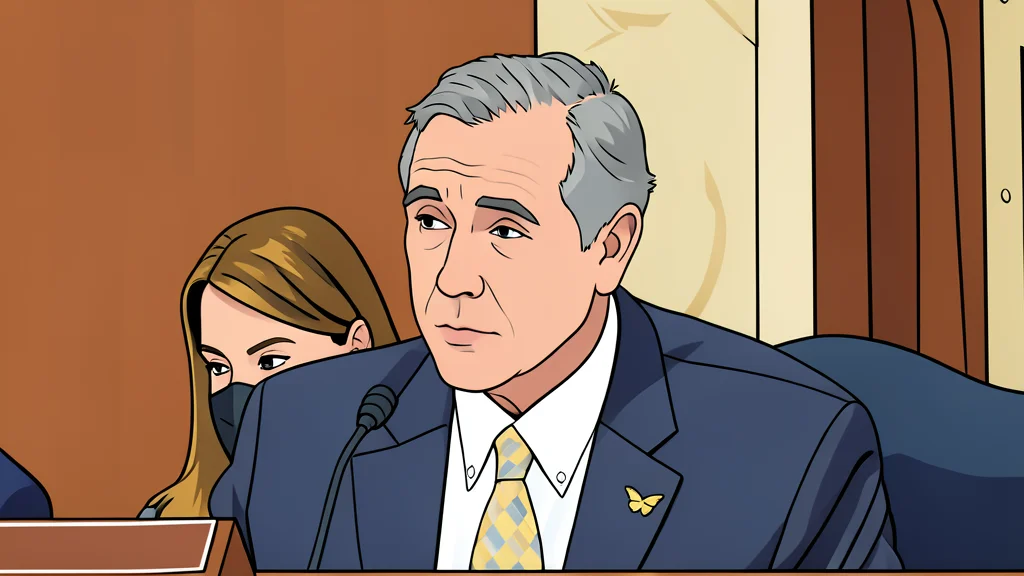
A bipartisan group of US senators has formally requested the declassification of sensitive annexes attached to the proposed civil nuclear agreement with Saudi Arabia, citing a need for legislative oversight.
A bipartisan coalition of United States senators has called on the current administration to disclose the full text of a proposed civil nuclear energy agreement with Saudi Arabia. The request, submitted this week, specifically targets the release of two classified side letters that were negotiated alongside the main pact. According to the lawmakers, these documents contain critical details regarding the commitments made by both Washington and Riyadh, which are necessary for Congress to exercise its oversight responsibilities effectively.
The push for transparency comes as the 90-day congressional review period for the agreement continues. The letter was signed by a mix of Democratic and Republican senators, including leaders from both parties, who argued that previous nuclear agreements with other nations have been handled with greater openness. They emphasized that access to the complete text is essential for the public and the legislative branch to understand the scope of the nonproliferation measures and the technical obligations involved in the deal.
Bipartisan Push for Document Release
The initiative was led by Democratic Senators Jeff Merkley and Ed Markey, who were joined by a diverse group of colleagues from both parties. The signatories included two Republican senators, Rand Paul and John Kennedy, highlighting a rare area of cross-party agreement on nuclear policy. The letter notes that the United States has entered into dozens of similar nuclear agreements, referred to as 123 agreements, without withholding such foundational documents from legislative review.
According to the GN geopolitics/nuclear (en-US) desk, the State and Energy departments have not yet publicly responded to the specific demand for declassification. However, the administration has previously stated that the agreement meets all legal requirements for nonproliferation. The senators argue that despite these assurances, the lack of public access to the side letters hinders the ability to verify whether the pact aligns with broader US foreign policy goals and safety standards.
Nonproliferation Standards Under Scrutiny
A central point of contention for some critics is the extent of the restrictions placed on Saudi Arabia’s nuclear capabilities. The proposed 30-year deal involves the construction of AP1000 reactors, a project valued at tens of billions of dollars that would significantly benefit major nuclear technology firms. Nonproliferation advocates have raised concerns that the agreement does not explicitly bar Saudi Arabia from enriching uranium or reprocessing nuclear waste, two processes that are considered potential pathways to weapons development.
These concerns contrast with the terms accepted by the United Arab Emirates in its 2009 nuclear deal with Washington, which included strict prohibitions on such activities, often referred to as the gold standard. While the Trump administration maintains that the Saudi pact includes all legally required nonproliferation measures, the absence of explicit language in the public drafts has fueled debate among congressional aides and policy experts about the long-term security implications for the region.
Broader Geopolitical Implications
Beyond the technical nuclear provisions, the agreement has been linked to broader diplomatic developments, including the normalization of relations between Saudi Arabia and Israel. While the president has indicated that the nuclear deal’s effectiveness may be tied to such diplomatic progress, congressional aides have noted that the text of the pact itself does not appear to address this issue directly. This disconnect has added a layer of complexity to the legislative review, as lawmakers weigh the strategic benefits of the energy partnership against the diplomatic conditions surrounding it.
As the review window closes, attention turns to whether Congress will move to pass a resolution of disapproval or continue pressing for the release of the withheld documents. The forward question remains how the administration will balance the commercial interests of the nuclear industry with the legislative demand for transparency. Observers will watch closely for any official statement from the State Department regarding the declassification request, as well as any further action by the Senate committee overseeing nuclear affairs.