Pakistan Reserves Self-Defence Rights Against Afghan Terror Threats

Islamabad told the UN Security Council it will act in self-defence against groups it says operate from Afghan soil, citing thousands of casualties over three years.
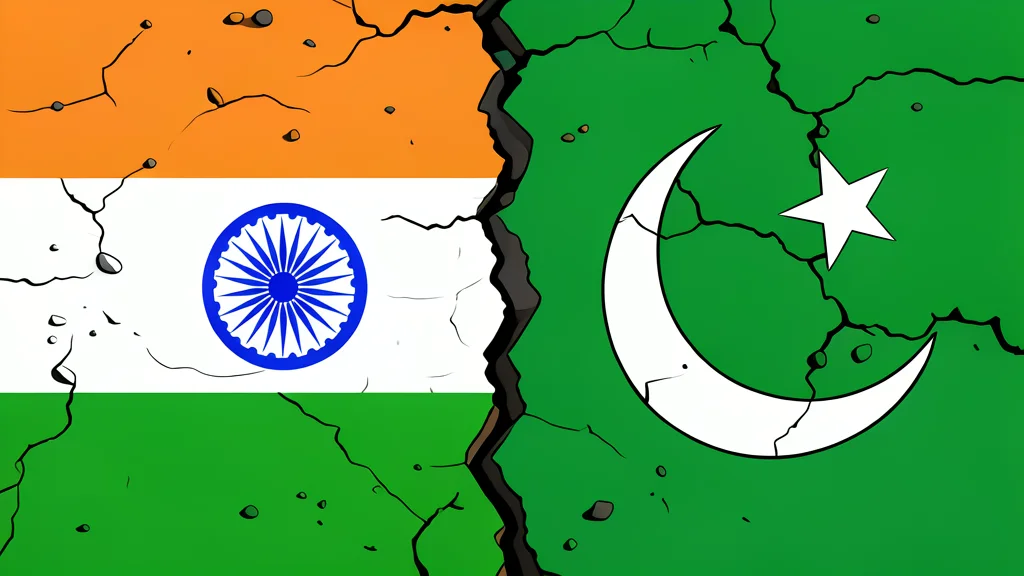
Pakistan has formally notified the United Nations Security Council that it reserves the right to respond in self-defence against terrorist threats originating from Afghanistan. Ambassador Asim Iftikhar Ahmad, the Pakistani Permanent Representative to the UN, made this declaration during a session held on September 16, marking the fifth anniversary of the Taliban’s return to power in Kabul. The statement underscores a deepening rift over security responsibilities and the persistent challenge of cross-border militant activity.
According to Pakistan’s assessment, more than 4,700 citizens have been killed in attacks linked to groups operating from Afghan territory over the past three years. Ahmad stated that Islamabad views these threats as an ongoing national security crisis that cannot be ignored. He emphasized that any future response would be conducted in accordance with international law, framing the potential action as a necessary measure to protect lives and sovereignty rather than an aggressive move.
Specific Groups Cited in Security Warning
The Pakistani envoy identified several organizations as primary sources of danger, including the Tehreek-i-Taliban Pakistan, the Baloch Liberation Army and its associated Majeed Brigade, the Islamic State-Khorasan Province, and the East Turkestan Islamic Movement. Ahmad argued that the Kabul administration has failed to take concrete and verifiable steps to dismantle these networks. He also raised concerns regarding the proliferation of weapons left behind after the withdrawal of international forces, which he linked to illegal arms trafficking that exacerbates regional instability.
Humanitarian Channels Remain Open Despite Tensions
Despite the severe security rhetoric, Pakistan’s representative noted that Islamabad continues to engage with Afghanistan through humanitarian assistance and regional cooperation. Citing the latest UN Secretary-General’s report, Ahmad highlighted that at least 687 humanitarian cargo trucks entered Afghanistan via Pakistan during the reporting period. This continued flow of aid demonstrates that diplomatic and logistical channels remain functional, even as political and security disputes intensify on the Security Council floor.
The broader context of the meeting reveals divergent approaches among major powers. While Pakistan and the United States focused heavily on terrorism and human rights restrictions, Russia and China advocated for continued dialogue and engagement. The UN report cited in the session details a complex landscape where terrorist groups remain active, and the country faces significant economic and governance challenges alongside large-scale migration issues.
Competing Diplomatic Priorities Shape Future Outlook
The discussion highlighted the competing priorities that define the international response to Afghanistan. According to reporting from GN geopolitics/un, the session underscored a strategic split between nations prioritizing security enforcement and those pushing for diplomatic inclusion. Ahmad warned that the appearance of relative stability in the region could mask deeper, long-term political and security risks if the underlying drivers of terrorism are not addressed.
As the five-year mark of the Taliban takeover passes, the forward question centers on whether diplomatic engagement can yield verifiable security improvements. The watch remains on whether Pakistan’s stated right to self-defence will translate into specific actions, and how the international community will bridge the gap between humanitarian needs and the urgent demand for counter-terrorism cooperation.