Yemen Fuel Hike Strains Households Amid Renewed Conflict
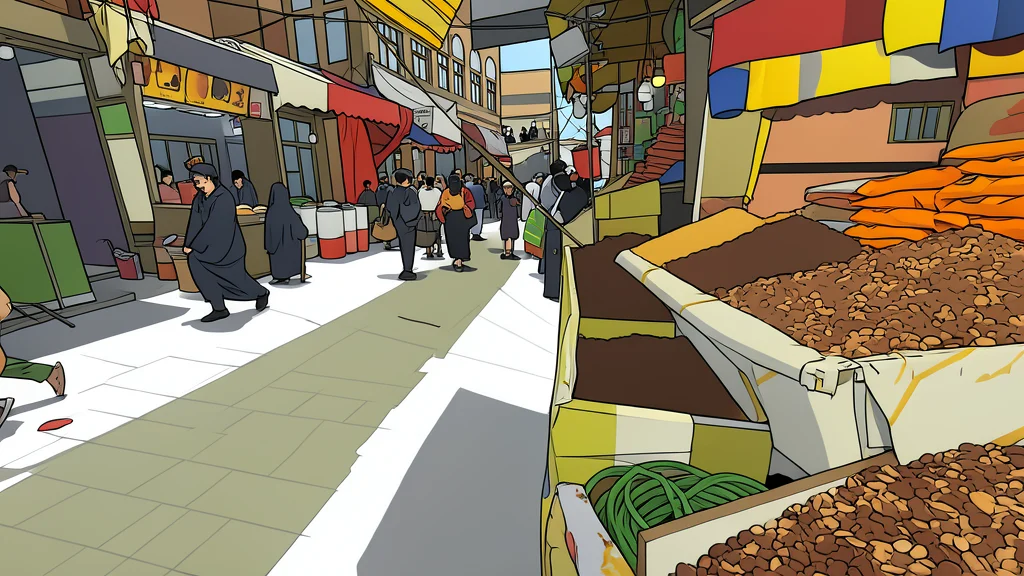
Sanaa residents face their first fuel price increase in four years, a move attributed to global market shifts and local military developments that exacerbates existing economic pressures.
In the capital city of Sanaa, daily life is being reshaped by a significant shift in economic reality. Residents have braced for higher costs of living following the first adjustment to fuel prices in territory controlled by the Houthis since 2020. The change, announced recently, marks a break from four years of frozen pricing and has sent ripples through the local economy, particularly affecting those who rely on transportation for their livelihoods.
According to Al Jazeera English, the price of petrol has risen by approximately ten percent, moving from 4,750 Yemeni riyals to 5,250 riyals. For many families, this is not merely a line item in a budget but a direct threat to basic survival. The Yemen Petroleum Company, which operates under the current administration in Sanaa, cited global increases in fuel costs as the primary driver, though local observers note that recent military escalations have also played a critical role in distorting regional markets.
Regional Conflict Drives Local Costs
The economic fallout is inextricably linked to the broader geopolitical landscape. Officials in Sanaa point to global oil market volatility, which has been influenced by the ongoing conflict between the United States, Israel, and Iran. However, the situation is compounded by local military developments, specifically the Houthi group’s recent capture of the southern Red Sea coast from government forces. These territorial changes, combined with attacks on Saudi Arabia, have intensified regional instability and contributed to the upward pressure on energy costs.
Local authorities have described the price adjustment as temporary, a response to external forces rather than a permanent policy shift. Yet, for residents in Sanaa, the distinction between temporary and permanent suffering is often blurred by the fragility of their financial situations. The convergence of international tensions and domestic warfare creates a complex web of causality that makes it difficult to isolate the impact of any single factor on the average household’s ability to afford basic necessities.
Households Face Acute Financial Pressure
For working-class families, the impact is immediate and severe. Taxi drivers, who form the backbone of urban mobility, report that fuel constitutes a significant portion of their daily expenses. One driver in Sanaa noted that the increase forces a difficult choice between maintaining his vehicle for work and covering other essential costs. With food prices already rising, the additional burden on transport costs creates a compounding effect that erodes the already thin margins of survival for millions of Yemenis.
The strain extends beyond fuel. Families are finding that the cost of staples such as flour, rice, and cooking oil has also increased, driven by the same logistical disruptions affecting fuel. For many, the decision between paying rent and buying food has become a daily dilemma. The International Monetary Fund has previously highlighted that the internal conflict has led to significant macroeconomic vulnerabilities, leaving more than half the population in urgent need of humanitarian assistance. The recent price hikes threaten to push even more families into this precarious category.
Logistical Disruptions Extend Supply Chains
The mechanism behind the price rise is not just market speculation but physical disruption. The resumption of fighting in various parts of the country has forced transporters to take longer, safer routes to avoid front lines. Shopkeepers in Sanaa report that goods traveling from the south to the north now take up to a week to arrive, a journey that previously took less than three days. This extension of supply chains adds significant overhead costs to every item, from food to fuel, effectively raising the price of goods across the board.
As the situation evolves, the focus for observers and residents alike turns to the sustainability of these economic shocks. The interplay between regional security and domestic stability will likely determine whether these price increases remain a transient blip or become the new normal in a country already grappling with one of the world’s most severe humanitarian crises. For now, the dust settles on a different reality, where the cost of a simple tank of petrol carries the weight of a nation’s fractured economy.