Middle East Tensions Shift as Sanctions and Diplomacy Intersect
Recent developments in the region reveal a complex interplay between military posturing, economic pressure, and diplomatic outreach, raising questions about the stability of current security arrangements.
The geopolitical landscape in the Middle East is undergoing a significant recalibration, marked by simultaneous moves in military, economic, and diplomatic spheres. According to reports from the GN auto geopolitics/middle-east: Iran nuclear desk, the United States has recently sanctioned a cryptocurrency exchange allegedly linked to Iranian state actors, while simultaneously approving a potential sale of advanced fighter jets to Saudi Arabia. These actions occur against a backdrop of renewed tensions in the Strait of Hormuz and satellite imagery suggesting the reconstruction of nuclear-related facilities in Iran.
This multifaceted activity suggests that regional actors are navigating a delicate balance between deterrence and de-escalation. The introduction of new economic sanctions targets financial networks that allegedly facilitate sanctions evasion, while the proposed arms deal aims to reshape the regional military balance. However, these moves are being scrutinized for their potential to either stabilize or further complicate existing security dynamics, particularly regarding the preservation of Israel's qualitative military edge.
Economic Pressure Targets Digital Networks
The U.S. Treasury Department has imposed sanctions on BitBank, a cryptocurrency exchange, citing its role in processing payments for the Islamic Revolutionary Guard Corps (IRGC). Officials stated that the platform routed hundreds of millions of dollars to the IRGC, describing it as a key component of Iran’s infrastructure for evading sanctions through digital assets. This move represents a broader strategy to target the financial resilience of non-state and state actors involved in regional conflicts, aiming to disrupt funding channels that support military operations and proxy networks.
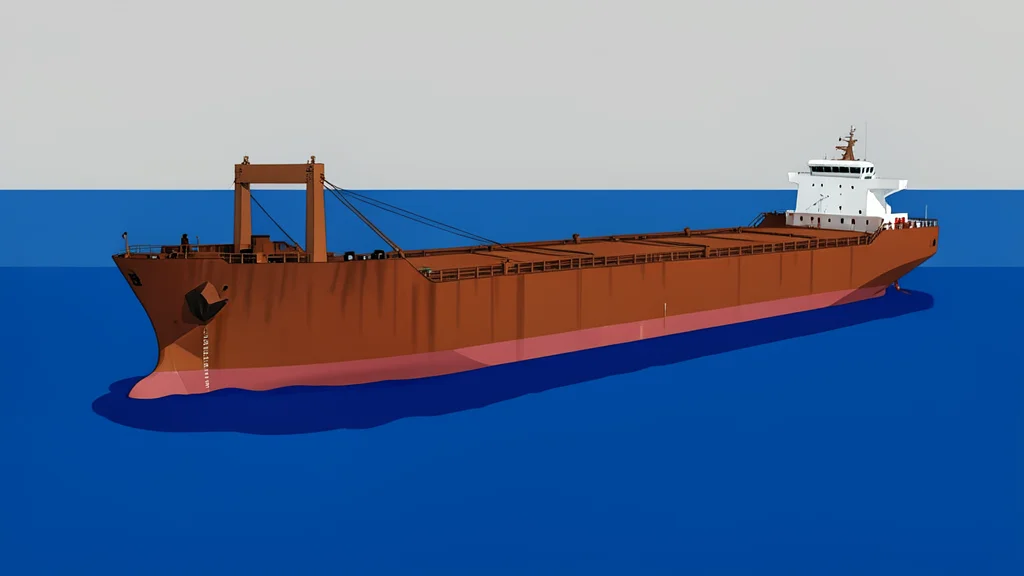
Simultaneously, reports indicate that an IRGC vessel struck a Togo-flagged tanker in the Strait of Hormuz, causing a fire. The United Kingdom Maritime Trade Operations (UKMTO) confirmed the incident, highlighting the continued vulnerability of commercial shipping lanes in this critical waterway. Such incidents underscore the risks associated with the region's reliance on maritime trade and the potential for localized conflicts to escalate into broader disruptions of global energy supply chains.
Diplomatic Outreach Amid Military Tensions
In a notable shift, Saudi Arabia is reportedly seeking direct negotiations with the Houthis through Omani intermediaries. According to the Lebanese newspaper Al Akhbar, the initial focus of these talks would be on humanitarian demands, with the long-term goal of reaching a comprehensive ceasefire agreement. This diplomatic effort appears to align with broader regional initiatives to reduce hostilities, as evidenced by Saudi Arabia's positive response to the potential F-35 deal, which is viewed as a stabilizing factor in the Gulf.
The proposed sale of F-35 fighter jets to Saudi Arabia has sparked debate regarding the regional balance of power. While the United States has approved the potential deal, experts warn that any transfer of such advanced technology must safeguard Israel's qualitative military advantage. Sources indicate that the Israeli Defense Forces (IDF) would prefer that no other country in the region receives the stealth fighter, aiming to preserve their operational dominance. This tension highlights the complex security calculations involved in arms transfers, where bilateral relationships must be weighed against collective regional stability.
Nuclear Site Reconstruction Monitored
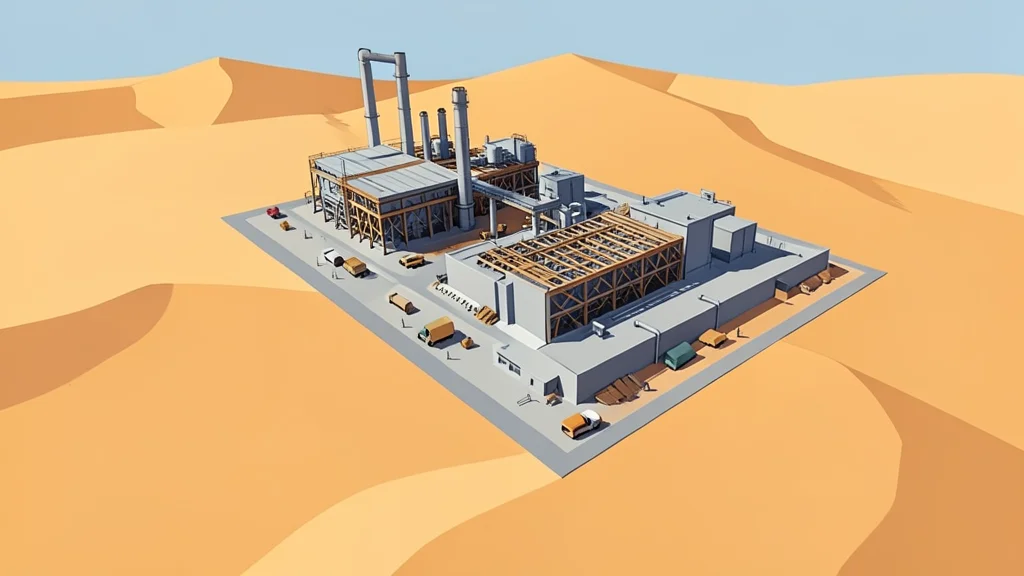
Satellite imagery from Vantor Technologies and the Institute for Science and International Security reveals that Iran is reconstructing the Taleghan 2 facility, which is linked to nuclear testing. The imagery shows significant restoration efforts following previous strikes by the Israeli Defense Forces, including the addition of apparent protective measures against future attacks. This development raises concerns about Iran's nuclear ambitions and its ability to withstand military pressure, potentially complicating ongoing diplomatic efforts to limit its nuclear program.
The reconstruction of such facilities signals a determination to maintain or enhance nuclear capabilities, despite external pressures and military threats. Analysts suggest that this move could influence future negotiations, as it demonstrates Iran's resilience and commitment to its nuclear goals. The international community is closely monitoring these developments, recognizing that the status of nuclear sites is a critical factor in assessing the risk of proliferation and the potential for further conflict in the region.