France Debt Hits 3.5 Trillion as Leaders Clash with Brussels
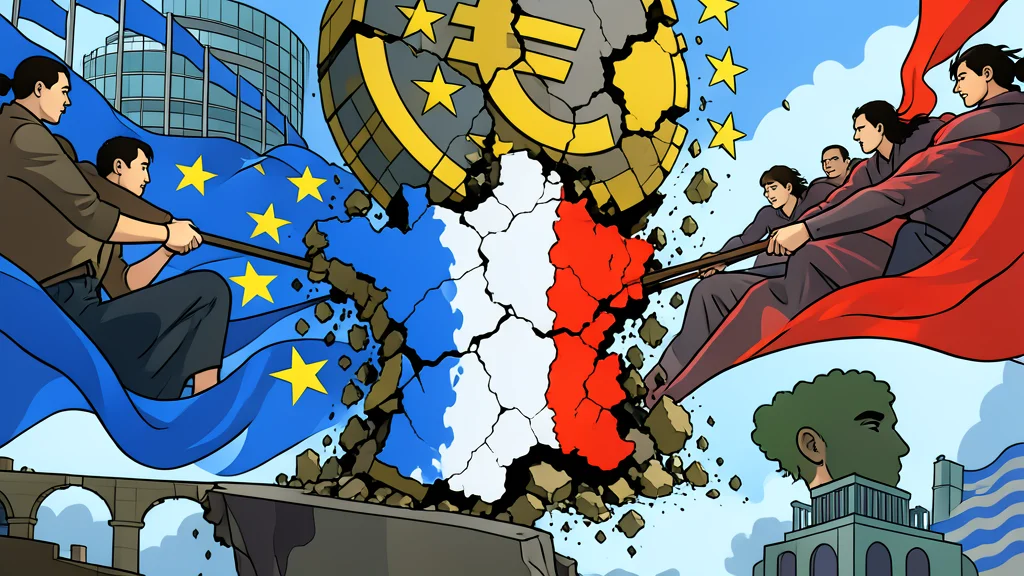
French public debt reached 3.536 trillion euros in Q1 2026. Political leaders propose canceling 18% of this liability, triggering sharp warnings from central banks.
French public debt reached 3.536 trillion euros in the first quarter of 2026. This figure equals 117.5% of GDP, up from 115.7% at the end of 2025. The debt stock increased by 75.6 billion euros in a single quarter. The 2025 budget deficit totaled 152.5 billion euros, or 5.1% of GDP.
Jean-Luc Marine Le Pen and Jean-Luc Mélenchon are challenging these figures. Mélenchon proposes canceling 18% of French sovereign debt held by the Banque de France. He argues this creates fiscal space for social programs. The proposal directly conflicts with eurozone rules and central bank mandates.
Central banks reject debt cancellation
Christine Lagarde of the European Central Bank called the plan economically dangerous. She stated it is incompatible with European law. Emmanuel Moulin, governor of the Banque de France, labeled the scheme illegal and useless.
Moulin warned the move could trigger runaway inflation. It would likely spike borrowing yields for French issuers. He suggested such actions could jeopardize France’s position in the eurozone.
Echoes of the Greek crisis
Analysts draw parallels to the 2015 standoff in Greece. Yanis Varoufakis proposed a parallel settlement system then. That plan aimed to manage liquidity without leaving the currency. Mélenchon’s current proposal targets the central bank’s balance sheet directly.
The core dilemma remains the limit of national sovereignty. France is the second-largest economy in the eurozone. Its fiscal trajectory affects the entire single currency block.
Fiscal pressure intensifies in 2027
The 2027 election cycle will center on this debt issue. Rising interest rates increase the cost of servicing existing debt. This restricts the fiscal leeway of any incoming government.
GN auto markets/bonds: sovereign debt notes that the political debate has shifted. It is no longer just about austerity. It is about managing a 3.5 trillion euro liability. The conflict with Brussels is now structural.