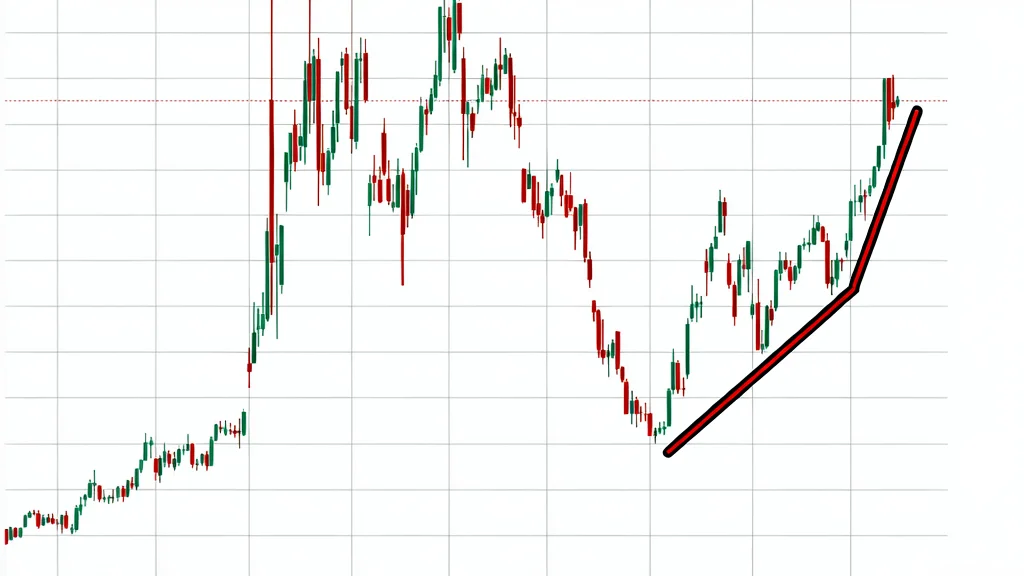
US 10-Year Treasury Yield Breaches 5 Percent Barrier
The yield on the 10-year US Treasury bond crossed 5 percent, marking its highest level since 2023. This move signals rising borrowing costs and global market stress.
The yield on the 10-year US Treasury bond exceeded 5 percent during recent trading sessions. It reached a daily high of 5.01 percent before closing at 4.98 percent. This marks the seventh consecutive month of rising yields. The increase follows a full percentage point jump since the start of the Iran conflict. Global bond markets are experiencing a synchronized sell-off driven by inflation concerns and geopolitical risk. Tech sector borrowing to finance AI infrastructure adds further pressure to debt markets.
The 5 percent threshold is a significant technical level for fixed-income investors. The last time the 10-year yield stayed consistently above this mark was in 2007. That period preceded the global financial crisis. Current levels are higher than the brief spike seen in October 2023. Market participants view this breach as a signal of structural change. The baseline rate for US markets is now significantly higher than in the low-rate era of the 2010s. This shift impacts mortgage rates and corporate financing costs globally.
Global Bond Markets React to US Trends
Yields on UK 10-year gilts rose to 5.44 percent. This is their highest level since 2007. German government bond yields also increased. The US 10-year yield serves as the global benchmark for pricing debt. Movements in New York transmit quickly to London and Frankfurt. Investors are adjusting positions across multiple currencies. The correlation between US and European rates remains strong. This interconnectedness amplifies the impact of US fiscal policy changes.
Analysts describe the 5 percent level as a line in the sand. Jack Ablin of Cresset Wealth Advisors noted the level triggers caution. He expects mortgage rates to continue rising. US mortgage rates have already reached nearly 6.8 percent. Scott Chronert at Citi anticipates disruption in equity markets. Higher borrowing costs reduce corporate investment capacity. The rise in rates contradicts the goal of normalizing financial conditions. Instead, it reflects the burden of expanded government debt.
Debt Expansion Drives Interest Costs
The US Treasury market has grown from $4 trillion in 2007 to over $32 trillion today. Total US government debt has risen from $9 trillion to more than $40 trillion. This expansion has accelerated in recent years. The annual interest bill is now close to $1 trillion. This figure is becoming the largest item in the US federal budget. Paying 5 percent on a much larger debt base is more burdensome than in the past. The structural size of the debt market changes the impact of rate hikes.
OECD countries face an estimated $2 trillion in annual interest payments. This structural issue underpins the recent yield spike. Oil prices near $109 per barrel add inflationary pressure. US inflation data shows no movement toward the 2 percent target. The Federal Reserve faces a difficult policy environment. Treasury Secretary Scott Bessent launched a bond buyback plan. He aims to increase purchases from $2 billion to $6 billion per operation. Bond prices continued to fall despite these efforts. Market participants remain skeptical of the plan’s effectiveness.
Recession Risk Amidst High Yields
Greg Peters of PGIM Credit identifies recession as the only potential catalyst for lower rates. He states conditions favor a high-yield environment for some time. Investors are confronting whether the bond market is entering a new era. The Wall Street Journal calls this a pivotal milestone. The rise in yields complicates efforts to lower long-term rates. The combination of high debt and high rates creates fiscal strain. Market stability depends on how these structural forces evolve. The current trajectory suggests continued pressure on global asset prices.