Pentagon Report Confirms $33.4 Billion Iran War Cost
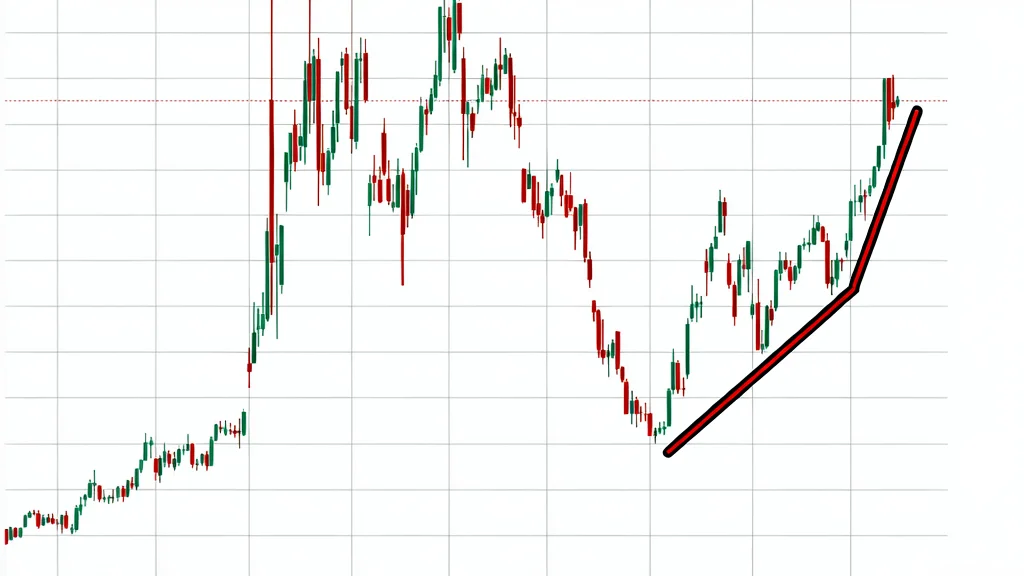
The Pentagon Inspector General report confirms strategic munitions shortages and a total cost of $33.4 billion through June.
The Pentagon Inspector General report confirms a strategic shortage of munitions in US stockpiles. The total cost of the campaign against Iran reached $33.4 billion through June 30. This figure directly contradicts recent statements from the administration denying any such deficit.
The report details significant gaps in strategic reserves. It identifies bottlenecks within the defense industrial base. These findings challenge the official narrative of unlimited readiness.
Detailed Cost Breakdown for Operations
The $33.4 billion total includes $22.3 billion for expended munitions. Equipment losses account for an additional $3.7 billion. Operational expenses add another $7.4 billion to the total. Base repair costs are excluded from this estimate.
Acquisition officials state they are streamlining procurement processes. They aim to stockpile critical materials for faster response times. The report notes that expanding production capacity requires significant time.
Market Implications for Oil Prices
Oil markets had underpriced the sustainability of US operations. The confirmed strain suggests potential limits on strike intensity. This may marginally reduce near-term supply-disruption risks in the Gulf.
The credibility gap affects how traders value administration claims. Markets now price the conflict based on verifiable data. This shift reduces volatility around official statements while keeping risk premia elevated.
Contradictions in Official Messaging
President Trump claimed the US has almost unlimited ammunition. Defense Secretary Pete Hegseth denied any shortage exists. The Inspector General report refutes these specific assertions.
The report is the first assessment covering Operation Epic Fury. It spans the period through June 30. The discrepancy raises questions about other unverified claims regarding the conflict's trajectory.