Oil Falls on US Inventory Build as Gold Holds Steady

Brent crude dropped 93 cents to $107.82 after a surprise rise in US stockpiles. Gold remained near $4,290 as traders awaited the Federal Reserve decision.
Brent crude futures fell 93 cents to close at $107.82 per barrel. U.S. West Texas Intermediate contracts dropped 97 cents to $104.86. These declines followed a surprise increase in American crude inventories reported on September 16.
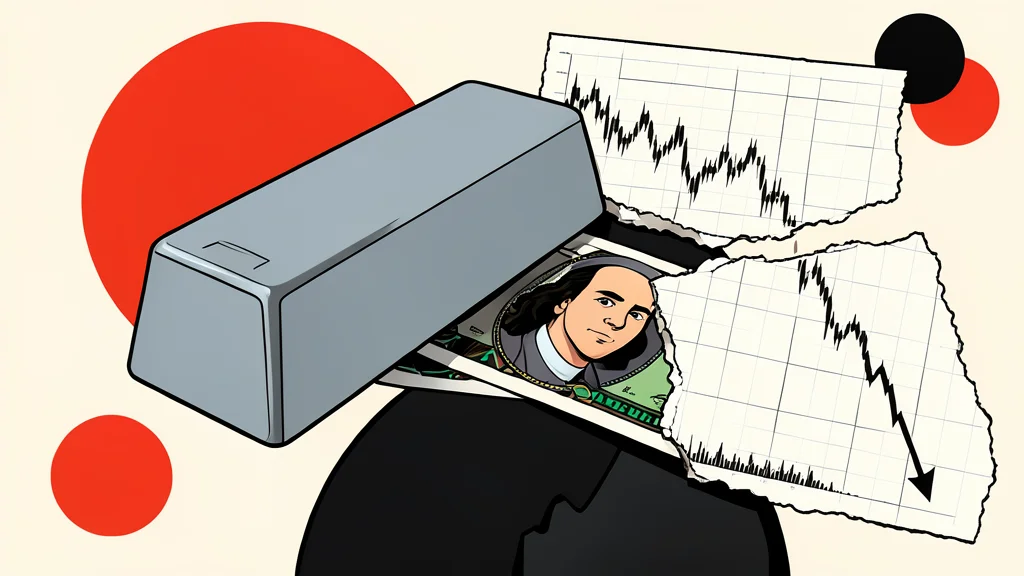
Gold prices held steady near $4,290 per ounce. The metal paused its two-day decline as investors waited for the Federal Reserve's policy decision. Silver traded at $63.68 per ounce with minimal movement.
Supply risks offset inventory gains
Saudi Arabia suspended oil loadings at the Yanbu port. This action followed an attack on the East-West pipeline serving the Red Sea. The disruption initially pushed prices higher on Tuesday, with benchmarks settling more than $3 higher.
Traders balanced these supply concerns against the data showing a build in US stocks. The inventory report dampened the bullish sentiment from the Middle East. Consequently, prices reversed their Tuesday gains by Wednesday.
Rate expectations pressure precious metals
High energy costs are feeding inflation fears. This dynamic keeps interest rate hike expectations firm. Traders are currently pricing in a 92% chance of a Federal Reserve rate increase.
Elevated oil prices have driven Treasury yields higher. Higher borrowing costs act as a headwind for gold. The metal does not pay interest, making it less attractive when yields rise. Platinum dipped 0.2% while palladium gained 0.1%.
Dollar strength reflects yield outlook
The dollar index climbed to 99.55. This level represents a two-week high. The greenback gained as surging oil prices lifted Treasury yields. The move reinforced the view that the Federal Reserve will raise rates this week.
These commodity moves align with broader market data. The source GN auto markets/commodities: gold prices tracks these shifts daily. Investors remain focused on the balance between energy supply risks and monetary policy tightening.